Abandonment is more than a word to me. It is an incendiary response.
It is a match ready to ignite. A door set ajar that can slam shut at any moment. A snake coiled around a rock, ready to strike.
This word is a thread that runs through the quilt that is my life, hidden within all the folds of fabric.
Life moves onward, mere chapters in a book. But the word abandonment can sneak into the pages. Creep up in a verse or a paragraph.
It always, always reappears.
An arsonist in black can steal through the night. A murderer can stand in the shadows with a gun.
For my whole life, the word abandonment is written across the sky.
Stalking my sleep. Being a part of my nightmares.
Abandonment is a noun. To abandon is a verb.
Then there is desertion. It can be just a reckless impulse.
When you say someone does something with abandon, you mean that they behave in a wild, uncontrolled way. And they possibly do not think or care about the outcome.
To some, abandonment can mean freedom. A word devoted only to those who can abandon. Leave. Desert. Walk away from.
Abandonment is a word I learned early on. And it doesn’t matter how much time passes. How old I live to be.
It is always there, sticking its tongue out at me.
If you were ever abandoned as a baby or at a very early age, that shadow walks with you the rest of your days.
The word itself sounds explosive.
It is a fire alarm. A loud siren in the distance.
It is a tornado, a hurricane. Anything that can alter life and change its outcome.
It can sweep in, a strong wind blowing right at you. It is mighty and can pick you up and carry you along. Put you down wherever it wants to.
Abandonment is the opposite of control. It’s something you can’t stop or change. If someone wants to abandon you, they can.
So you hold onto whatever is your port in the storm. You hang on for dear life.
You control what you can.
Avoid relationships. Shy away from friendships. Avoid the light. Stay in the shadows.
The mantra is: Leave them before they leave you. For all that is good and holy, just don’t wait until they leave you.
Abandoned. Something that you simply, can’t possibly, live through again and remain sane.
A car can screech to a stop. Trains can careen down a track. A mighty beast can run over you and keep on moving.
Abandonment is a deep well you can fall into and never crawl out of. You can shout until you’re hoarse and no one will hear you.
It is an ocean whose waves swallow you up until you can breathe no more. Your lungs strain against the water until all goes black.
It is a sharp knife that can be driven right through your heart. A sickness that can creep into your body and go on a rampage.
It is all the bad things you can think of or dream up.
A word that’s written in huge bulbous letters across the blue sky.
Abandonment is a song that never stops being sung.
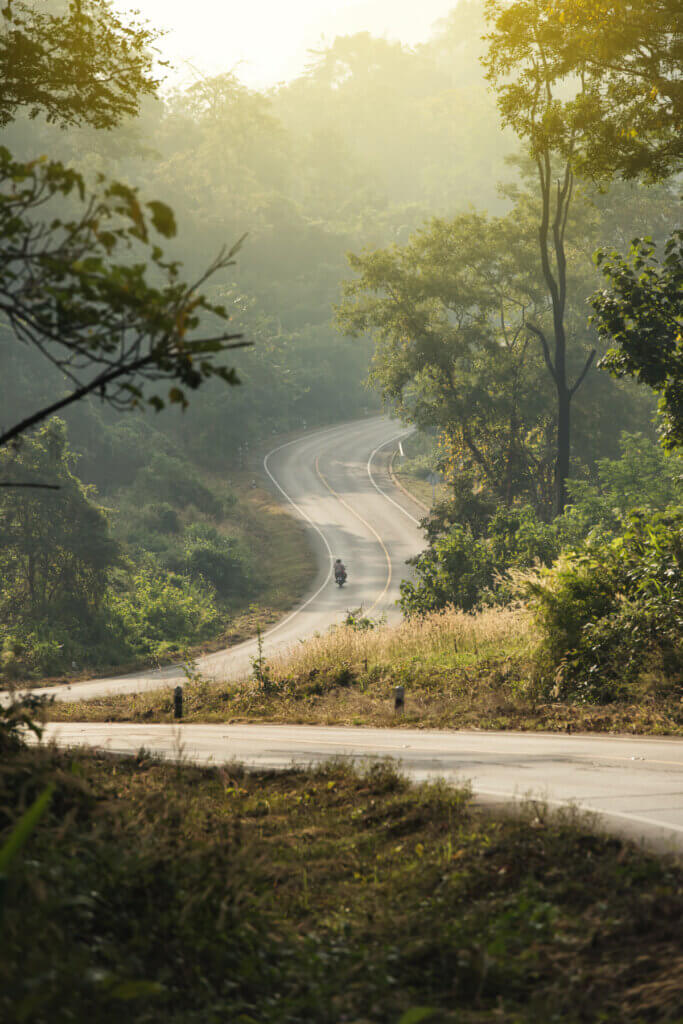
It is a road that leads away from you.
It is a scream that never stops.





Some learn to deal with the worst by keeping it all locked inside. You were blessed with the ability to release your feelings using the the most exquisite words. Sending hugs…….
Sad discussion, beautifully written. Peace be with you.
Yes. This. Exactly this.
And yet, you go on.
I do too.
Hugs.
I can’t say that I understand exactly how you feel but I do understand something happening when we’re the most vulnerable (when we’re very young). It’s difficult to overcome. We carry pain like that for the rest of our lives. That pain intensifies when we least expect it.
I believe that you are very loved by your daughters and grandchildren.
Know that you are loved in a different way by your readers – like me.
You’ve been on my mind all day, Brenda. I’ve been sending healing and caring thoughts. Gentle hugs, dear lady!
I am so sorry you had to learn the word “abandonment” at such an early age… I don’t know what that feels like. No one knows what that felt like for you, and no one can really understand how that has affected your entire life. Except you. Thank you for giving us a glimpse into your feelings about this. I learn more about family from you.
You are indeed a wordsmith, with a keen ability to put words together in an incredible way that speaks to the hearts of others… I am sorry for all the grief you have endured…seems in one form or another, to hit all of us at times. I was not abandoned as you were, but let me tell you, many times I so wished I had been born elsewhere to at least 1 different parent. It is something that still troubles my dreams at times…and the WHY never leaves us. And then at least in our teen years, many forms of abandonment of relationships seems to happen to a great many…fickle years indeed.
Our pets never abandon us. Our comfort and solace in times when we feel alone. We are charged with their care so they won’t feel abandoned. Home, pets, and the love of those who really care will never abandon you.
Sweet Jesus, such a soulful sharing. I pray doing so helps that aching part of your heart and you can move on with all the good things you have had, and are sure to still have, in your life.
A very painful and real experience that many of us suffer 💔 😔 from.
Actually, one can even have a mom or a dad daily present. However, if you are ignored, just cast aside, that type of abandonment is often equal.
I personally know people that have experienced this profound ongoing sadness in there lives because of this subject.
Oh Brenda. I’m sorry you feel so sad and upset. You’ve talked a little about your mother in the past. It sounds like she was unwell and unable to take care of you. Thank God you had your grandparents to offer you some stability and security in your youth. I know it doesn’t take the sting out of being abandoned, but you were always loved and cared for. Your grannies taught you a love of gardening, and at the library, you had many books that became good friends, and taught you the appreciation and gift of writing. Your past made you the wonderful person that you are today. And all your friends here love you and are here for you ALWAYS!
Yes, we all love you and are here for you always!