When winter arrives and the temperature drops, older adults run a higher risk of health problems and injuries.
Hypothermia:
Hypothermia occurs when your body temperature drops to a dangerous level. This happens when you’re out in the cold for an extended time and you begin to lose heat quickly.
Older adults are at an increased risk of hypothermia because of possible changes due to aging.
All parts of your body should be covered when you go out in the cold. If your skin turns red or dark or starts hurting, go inside right away.
Precautions To Ward Off Hypothermia:
- Stay indoors
- Keep indoor temperature at 65 degrees.
- Stay dry because wet clothing chills your body more quickly.
- Dress for cold weather. (One option is to layer 2 or 3 thinner layers of loose-fitting clothing.)
Essential winter wear: hats, gloves (or preferably mittens), winter coat, boots, and a scarf to cover your mouth and nose.
Warning Signs: Cold skin that is pale or ashy; feeling very tired, confused, or sleepy. Feeling weak, having problems walking, having slowed breathing or heart rate. Call 911 if you think you or someone else has hypothermia.
Note: Shivering is not a reliable warning sign because older people tend to shiver less or not at all when their body temperature drops.
Frostbite:
Frostbite occurs when your body experiences damage to the skin that can go all the way down to the bone.
It’s most likely to occur on body parts farthest away from your heart. Common places include your nose, ears, cheeks, chin, fingers, and toes.
In severe cases, frostbite can result in loss of limbs. People with heart disease and other circulation problems are at a higher risk.
Know the warning signs of frostbite: skin that’s white or ashy or grayish-yellow. Skin that feels hard or waxy or numb. If you think you or someone else has frostbite, call for medical help immediately.
If frostbite occurs, run the affected area under warm (not hot) water.
Staying Active:
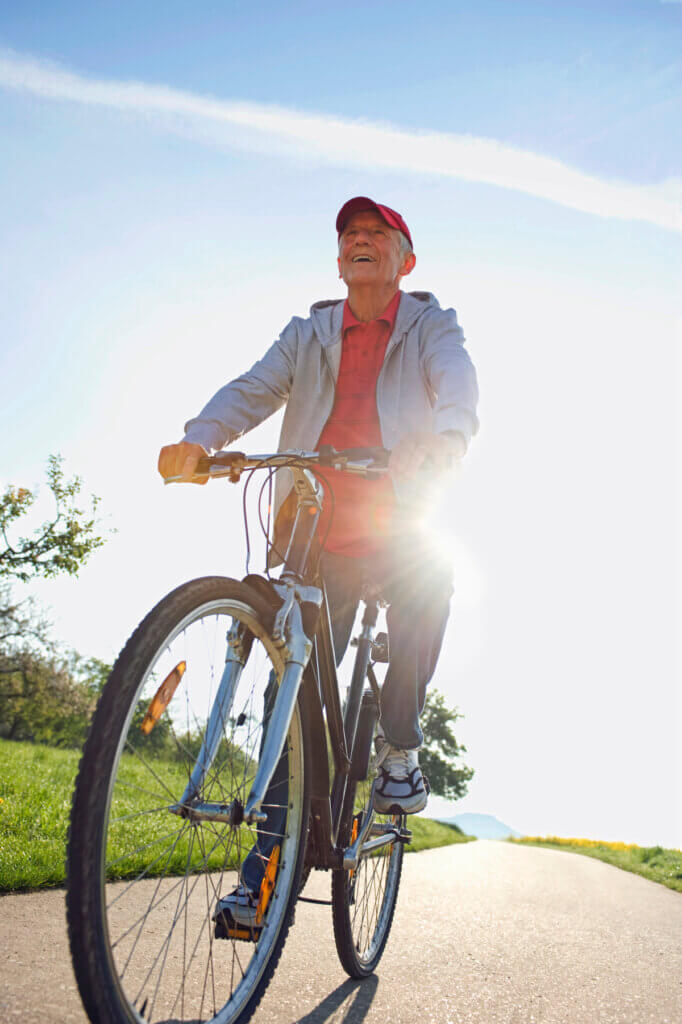
Any form of exercise can help increase your heart rate and regulate blood flow. It will also keep winter-related depression, stiffness, and pain away.
Physical activity also makes you sweat, which flushes out toxins and keeps your skin healthy.
Staying Hydrated:
We don’t think of hydration as much when it’s cold outside. But drinking water is still vital in the winter months. Your body’s cells, tissues, and organs need water to function.
Staying hydrated can even bolster your immune system.
Senior Isolation:
Many seniors and Medicare eligibles may be unable to leave their homes in the winter. Feeling isolated can disrupt sleep, raise blood pressure, and increase the risk of depression.
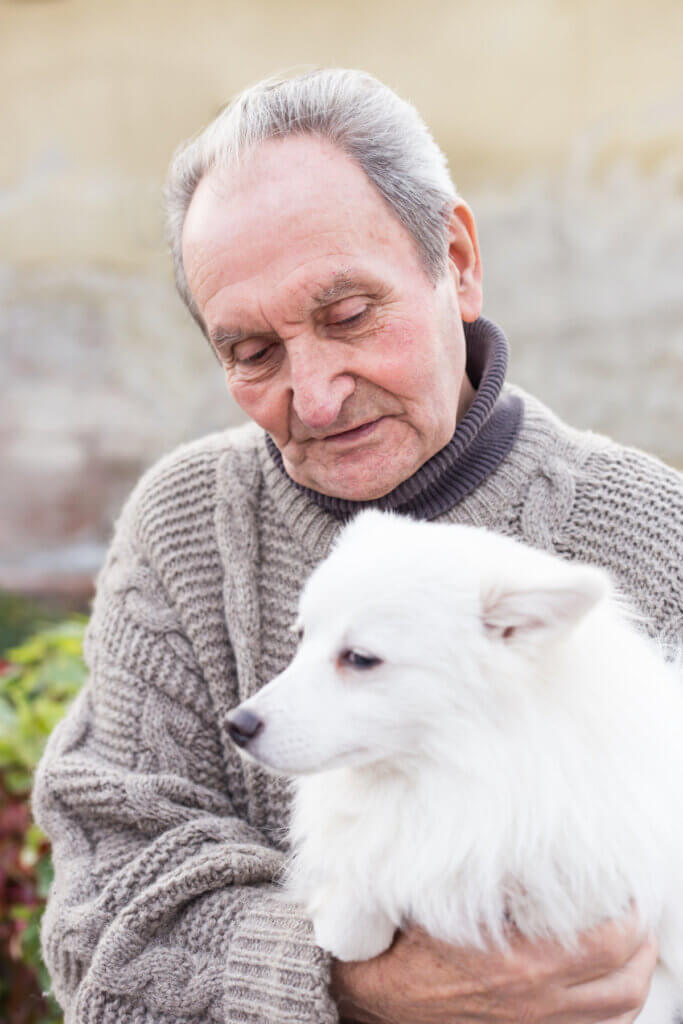
Tips to prevent isolation:
- Call, email, or FaceTime friends and family regularly.
- Join a senior community center.
- Consider adopting a pet.
- Find a book or TV show that you enjoy.
- Pick up a new hobby.
- Get exercise
- Consider getting your meals delivered to encourage a healthy diet.
- Reach out to friends, family, and neighbors.
Symptoms of SAD (Seasonal Affective Disorder):
- Feeling depressed
- Loss of interest in activities
- Low energy
- Changes in appetite
- Feeling irritable
- Difficulty concentrating
- Feeling hopeless


Great tips for seniors!
“Getting old aint for sissies.”
Bette Davis
Great tips, thanks for sharing!
As you know Brenda, my husband was very sick with Alzheimer’s for many years. About five years before he died I joined a water color paint class at our Sr Ctr. I’d painted for years but wanted to learn wc. And I needed to get out once a week for my health. I have enjoyed that class so much. Had a great teacher and have made some life-long friends.
After Covid eased up in 2020 classes were shut down and so were restaurants about seven of us started meeting every Friday at the park right by my house to paint. I think in a way it helped give all of us something to look forward to during such scary times and was a wonderful source of emotional support. So I encourage people to check out their senior facilities to see what kind of classes they have.