Some of the Best Late Summer Flowers
This post may contain affiliate links. If you purchase through links on my site, I may earn a commission at no cost to you. For more information, please see my disclosure policy.
Many of the best late summer flowers are available for planting, but I don’t have many of them planted in my patio garden right now.
What I have blooming right now are the wild morning glories that are likely weeds that come up all over the place.
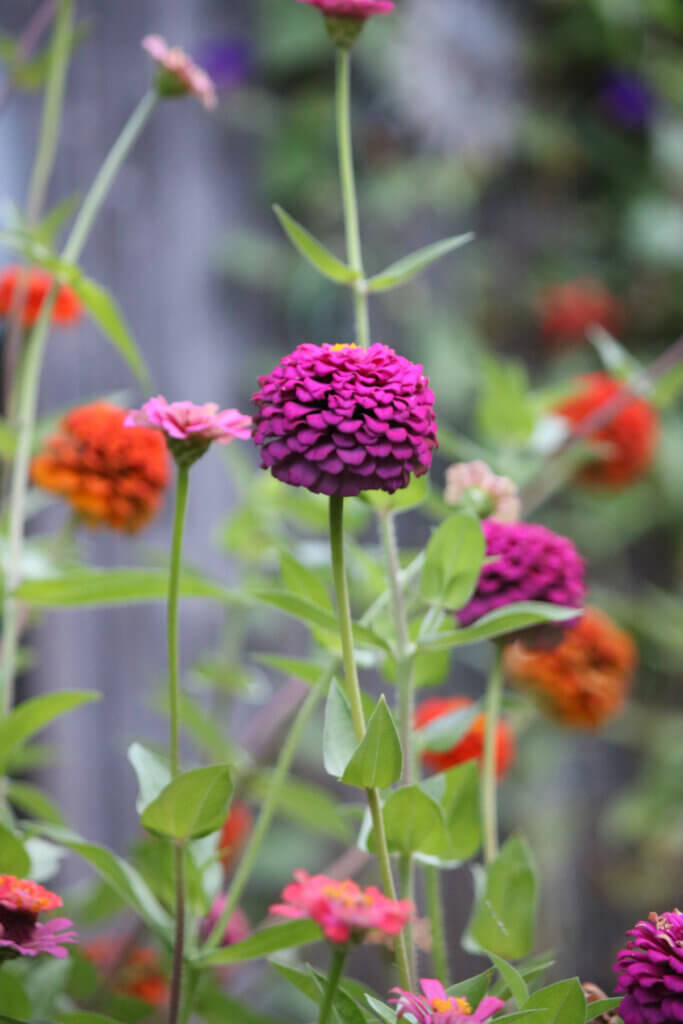
I also have the flowers of the allium plant and some of the zinnias I planted from seed. Unfortunately, some of the zinnias have already turned brown and withered away.

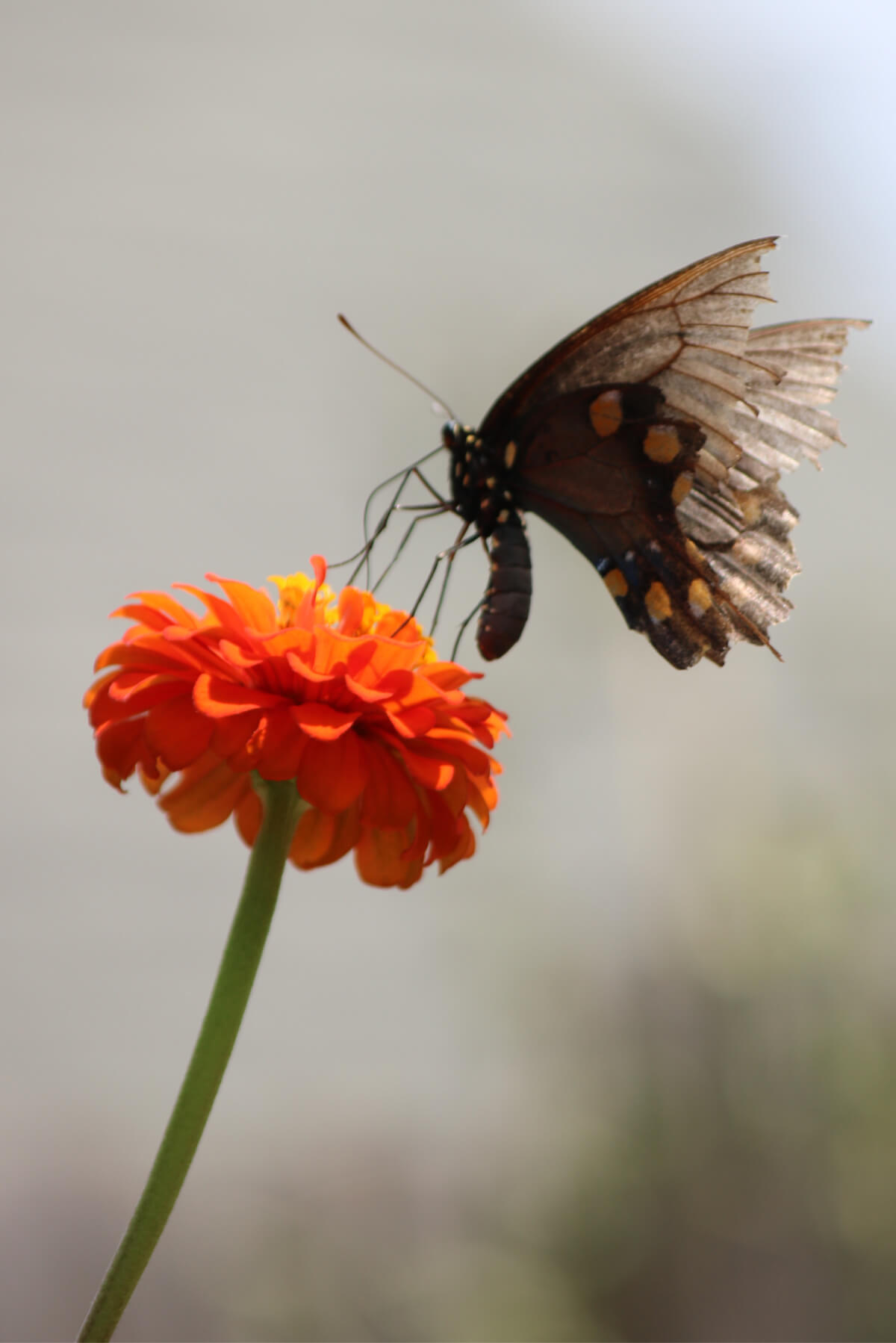
Butterflies and bees love the zinnias as much as I do. I’ve also seen hummingbirds out there feasting on them.
If there’s an easier flower to grow than zinnias, I’d like to know what it is. Zinnias are annuals, meaning they go from seed to flower to seed quickly.
Zinnias are native to Mexico and Central America. Because of their colorful flowers, the Aztecs originally called them “plants that are hard on the eyes.”
These hardy flowers have performed best in my patio container garden.
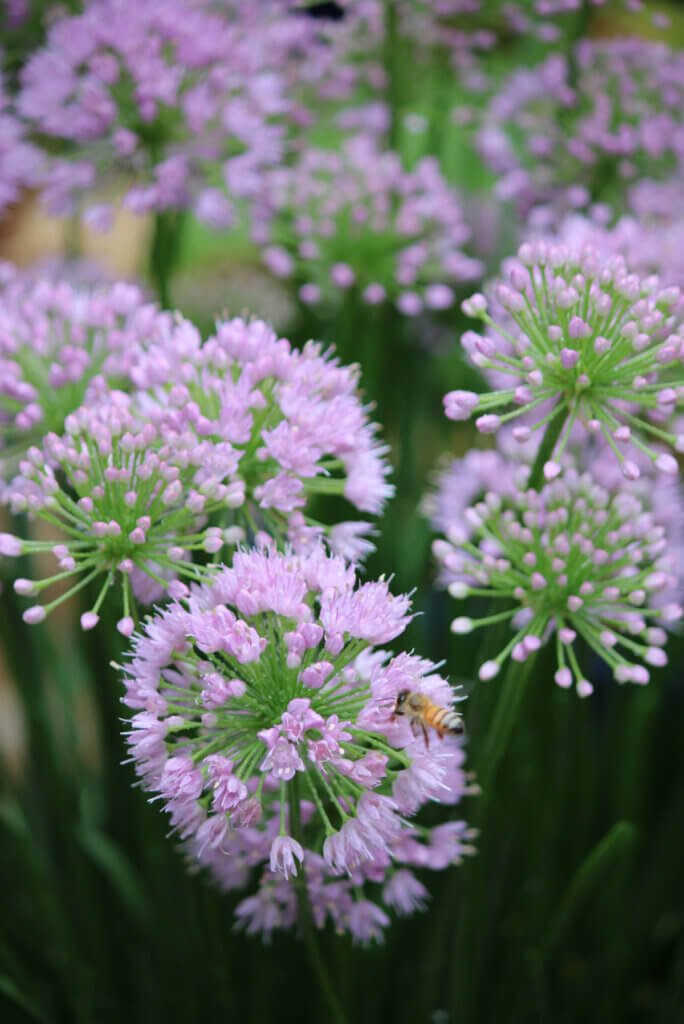
The insects love the allium flowers, too. Above is a bee enjoying itself.
Allium is a genus of monocotyledonous flowering plants with hundreds of species. These include the cultivated onions, garlic, scallions, shallots, and leeks.
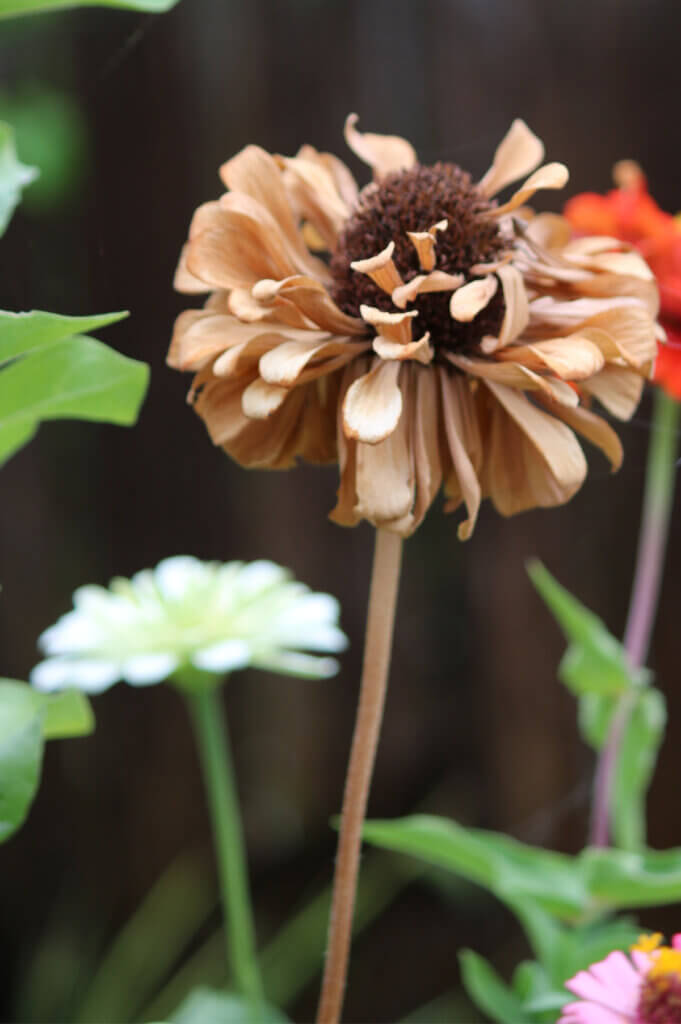
Here are some of my zinnias now. They have dried in the sun and turned brown. Still, they are kind of pretty, I think, even in this dried-out state.
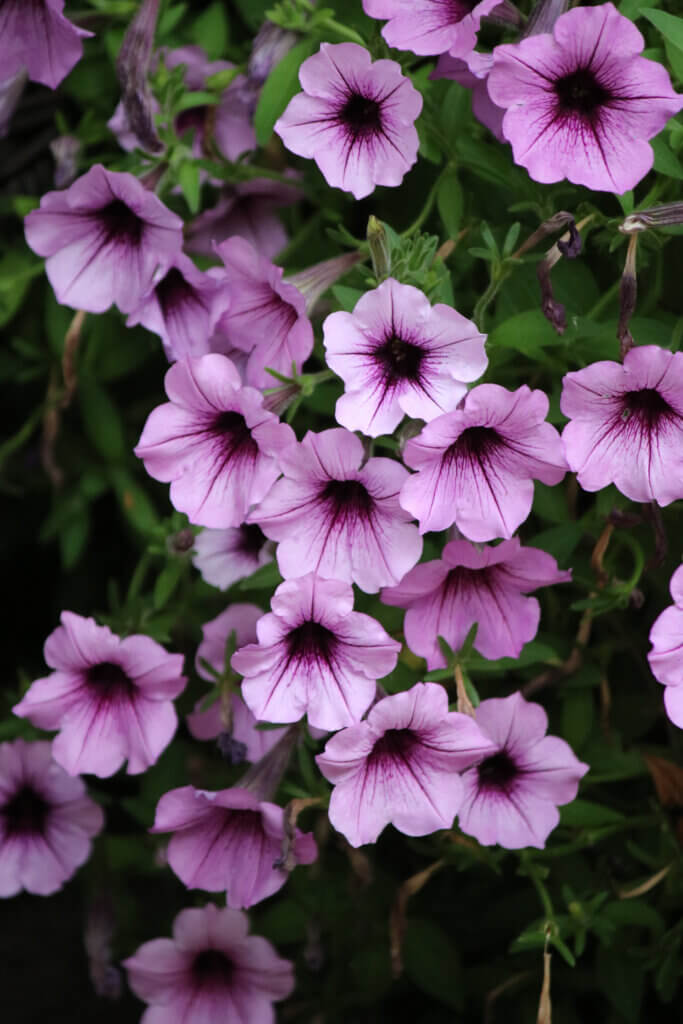
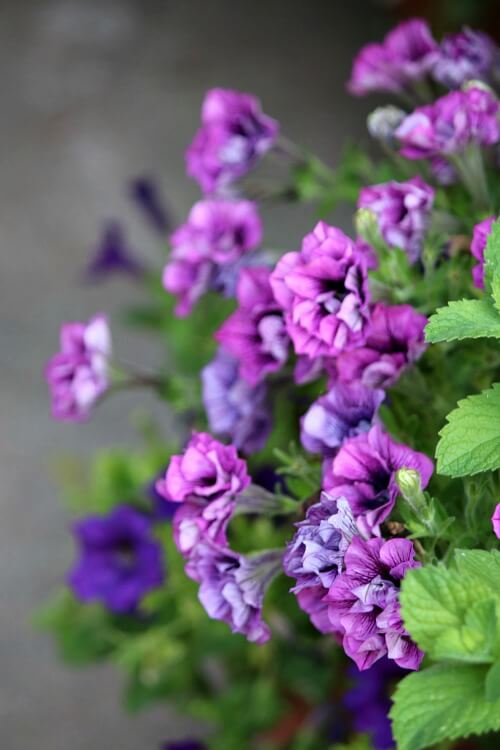
This light purple petunia gets more shade than the others, so it’s blooming better because the heat hasn’t reached it.
And I still have some petunias left. I planted three colors of petunias in the spring. The ones you see above have endured the best and longest.
Petunia is a genus of about 35 species of flowering plants in the nightshade family (Solanaceae) native to South America.
19 Summer Perennials:
- Anise Hyssop
- Autumn Joy Stonecrop
- Balloon Flower
- Bee Balm
- Black-Eyed Susan
- Blue Cardinal Flower
- Chrysanthemum
- Dahlia
- Echinacea
- Helenium
- Japanese Anemone
- Joe-Pye Weed
- New England Aster
- Asian Lily
- Pincushion Flower
- Red Valerian
- Shasta Daisy
- Showy Goldenrod
- True Blue Gentian
If you’re planting in late summer, the best choices depend on whether you’re looking for quick color this year or strong blooms next year.
Many annuals can still provide beauty before frost, while several perennials establish roots now and reward you with spectacular flowers the following season.
Some of the Best Late Summer Flowers:
Late summer is an excellent time to establish perennials while the soil is still warm.
- Black-Eyed Susans – Golden blooms that brighten the garden and attract pollinators.
- Asters – One of the best late-season nectar sources for bees and butterflies.
- Sedum (‘Autumn Joy’) – Succulent foliage with flower heads that deepen from pink to rusty bronze.
- Coneflowers (Echinacea) – Long-blooming, drought-tolerant, and attractive to birds after flowering.
- Russian Sage – Silvery foliage with lavender-blue flowers that bloom for weeks.
15 of the Best Annuals for Late Summer:
- African Marigold
- Ageratum
- Clary Sage
- Cleome
- Coleus
- Cosmos
- Impatiens
- Jasmine Tobacco
- Mealycup Sage
- Million Bells
- Moss Rose
- Plains Coreopsis
- Petunia
- Rocktrumpet
- Woolflowers
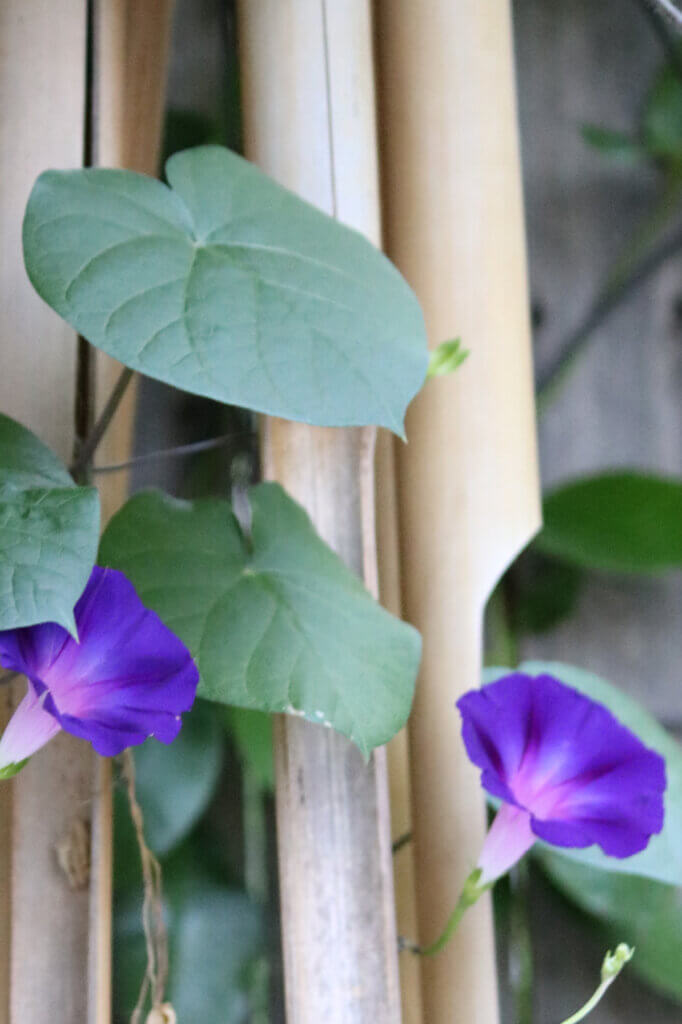
Morning glories are one of September’s birth flowers. The other flower is the aster.
For the last two years, I’ve planted quite a few zinnia and morning glory seeds. I think my morning glory flowers are from a weed family, but at least they are colorful.
Due to the awful heat, I have not seen any of the morning glory seeds I planted bloom. They still have leaves, so I’m hoping I may see different flower colors in September.
Beautiful Bulbs to Plant for Next Spring:
As late summer turns into early fall, it’s time to think ahead.
- Daffodils
- Tulips
- Alliums
- Crocuses
Plant these once temperatures begin cooling for a colorful spring display.
Great Flowers for Containers:
If you’re refreshing porch pots or patios, consider:
- Zinnias
- Angelonia
- Celosia
- Ornamental peppers
- Sweet alyssum
- Calibrachoa (Million Bells)
These provide vibrant color with relatively little maintenance.
Tips for Success:
- Water deeply for the first few weeks while plants establish.
- Add compost before planting to improve soil health.
- Apply mulch to help retain moisture during late summer heat.
- Deadhead spent blooms to encourage continued flowering.
- Water in the morning to reduce disease problems.
For a cozy cottage-style garden, combine zinnias, cosmos, asters, coneflowers, and black-eyed Susans. Their relaxed shapes, long bloom season, and butterfly-friendly flowers create the nostalgic, abundant look that carries the garden beautifully from late summer into autumn.

We just planted allium in the ground for the first time – it is so hearty and beautiful, that we’re going to plant a bunch more next year. And, the deer don’t eat it! My petunias were the first to expire this year – I blame it on a very rainy summer. The ones under a roof are still blooming. Zinnias remind me of my grandmother – she used to plant them in our backyard. You’ve convinced me to try them next summer!
I don’t put petunias in full sun.
WOW!!! This post is FULL of information. I’ll be referring back to it for a very long time. Thank you for collecting all of these links.
The 2 photos above, the one with the bee the other with the butterfly, are spectacular!
I aim to please.
Brenda:
I gave up on Morning Glories. Although pretty, they re-seed something fierce. For the past three years, I have planted Hyacinth Bean Vine. The hummers and butterflies love it and it is easy come late fall/winter to pick the seeds and replant the next year.
Ann Reynolds
I love hyacinth bean vine too. Watch dogs around it as it is toxic.
Beautiful photography!
Thank you!
The first picture with the butterfly is fabulous. Even one of my trees has struggled this year in the heat. I can’t wait for fall temps.
I lost my butterfly tree to winter as well as my rose. My Japanese maple in the pot is not looking so good, even though it’s in partial shade.
These are such beautiful photos, Brenda. Love each and every one. And the faded zinnia is lovely.
Mary
The faded brown zinnia reminded me of faux fall foliage in the stores.
The best flowers are always the ones that attract butterflies and bees. I think the dried Zinnia is pretty and looks fallish. Have a great week.
I thought the same thing, Kris. It looks fallish.
Lovely photos. You have a real talent for photography.
Thank you! I love photography. And I think what you truly love is usually what you’re good at.