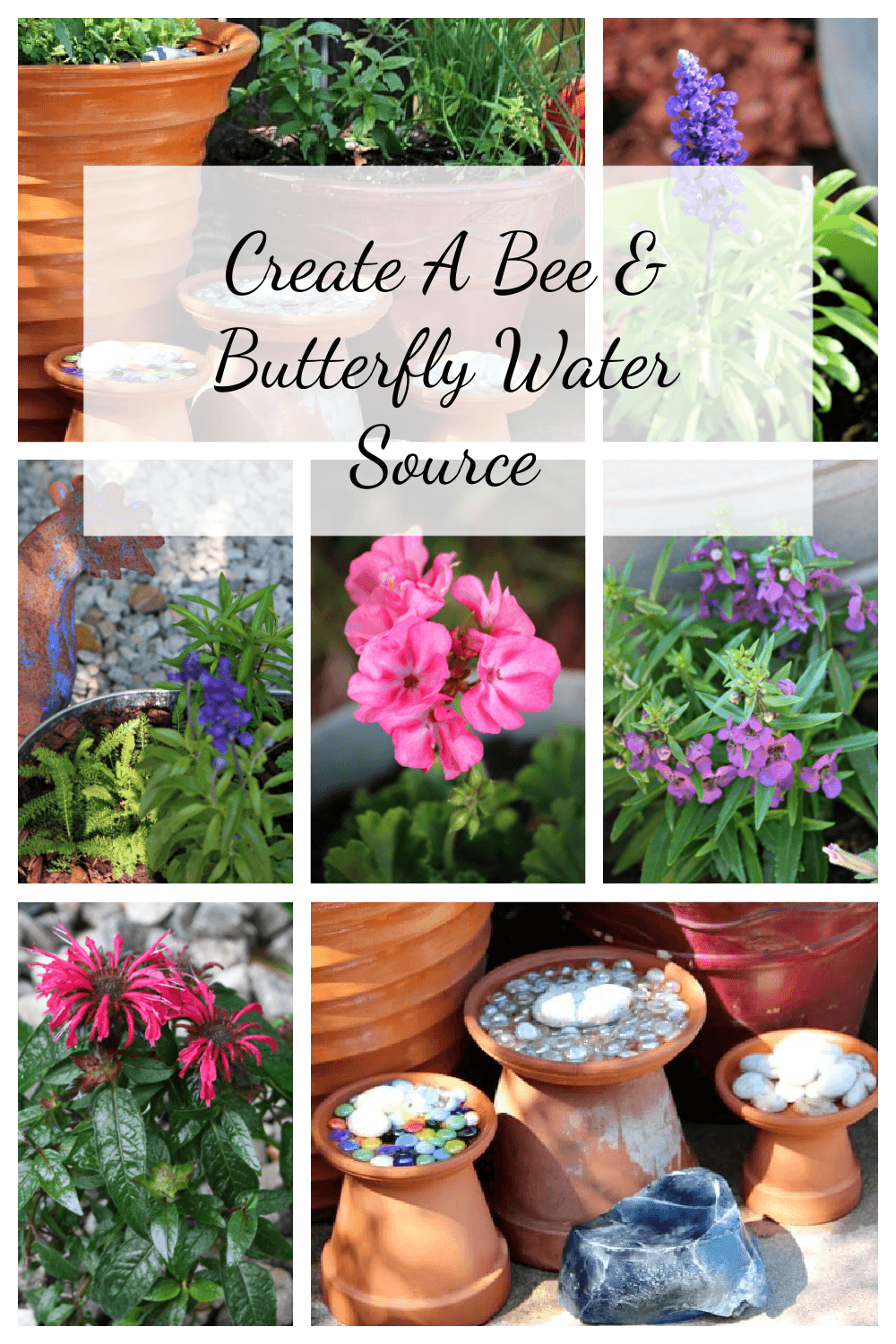
Create A Bee & Butterfly Water Source
This post may contain affiliate links. If you purchase through links on my site, I may earn a commission at no cost to you. For more information, please see my disclosure policy.
You may want to create a bee and butterfly water source if you hope to attract these pollinators to your garden.

How To Create A Water Source For Bees & Butterflies:
For a water source, choose a shallow container. A terracotta saucer is perfect for a bee and butterfly water source. Alternatively, you could use a shallow container.
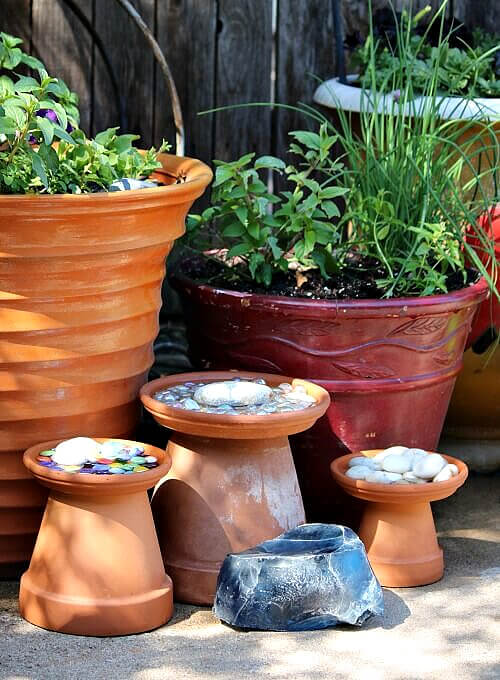
Place the water source near the flowers and plants preferred by bees and butterflies.
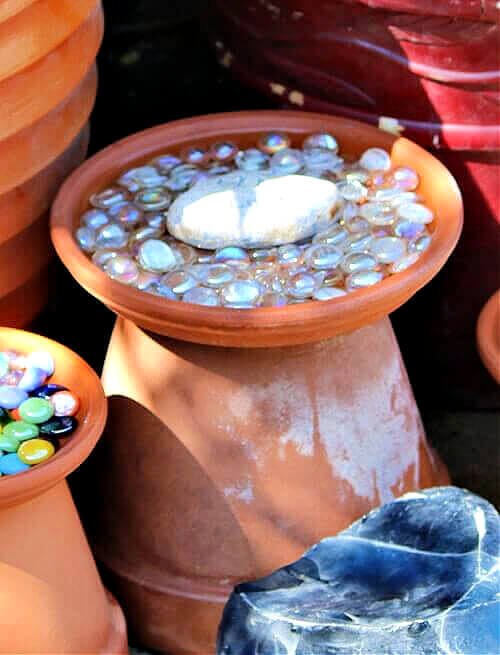
Provide a flat surface, such as a rock in your saucer, where they can safely perch and bask in the sun. You can also put a stone in your bird bath for them to land on.
Locate it in a Protected Area:
Ensure the water source is located in a protected area, away from predators, by placing it near shrubs, flowers, or grasses.
If cats run around freely in your yard, place the bee and butterfly water source out of their reach.
Freshen the water each day. Avoid using pesticides in your yard. Thoroughly wash containers weekly.
Why Bees Need Water Sources:
- Air conditioning: On hot days, bees spread a thin film of water over the baby bee cells. The water will evaporate, cooling the hive.
- Feeding baby bees – Nurse bees feed developing larvae a diet of water, pollen, nectar, and royal jelly. This diet can be as high as 80% water on the first day.
- Diluting honey – Bees eat their honey. Sometimes, the honey will crystallize or get too thick. When this happens, bees use water to dilute the honey, making it drinkable again.
- Water is also a crucial source of essential nutrients for bees.
DIY Water Sources For Bees:
Bees can drink from your bird bath. But bees can’t swim, so you should add rocks to give them places to sit on.
You might consider buying a cheap hummingbird feeder and filling it with water for the bees.
You could also use one of those continuously filling water sources to create a bee- and butterfly-friendly source for pets. Add a few rocks to the basin for the bees to land on and sit.
Water feeders aren’t necessary to provide water for butterflies, as they obtain the water they need from nectar.
Bee Rafts:
Bee rafts are things that float in water for bees to rest on when obtaining water. Items you may already have that float in water include corks or packing peanuts.
In a pond, it could be a lily pad—anything with a surface for them to rest on.
Colors That Attract Butterflies:
Butterflies can see colors and are attracted to bold and warm colors like yellow, pink, red, purple, lavender, blue, green, and orange.
Hummingbirds are attracted to red tubular flowers, while butterflies like open-faced yellow and purple flowers. Provide a bee and butterfly water source nearby with small pebbles to bring them into your yard.
Colors That Attract Bees:
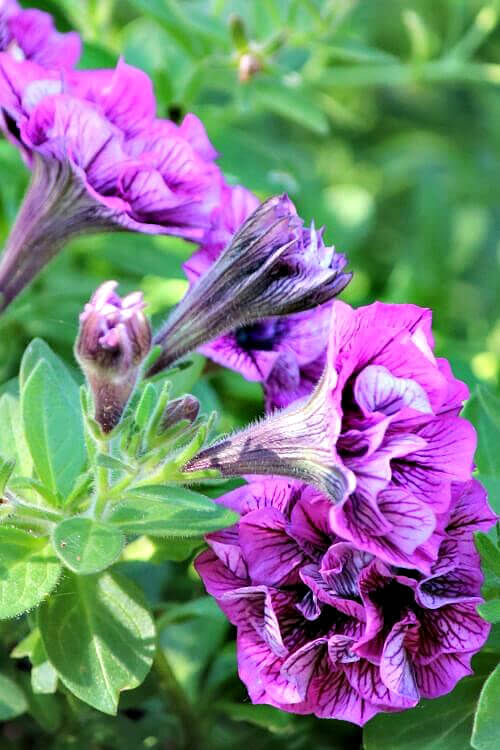
According to scientists, the most likely colors to attract bees are purple, violet, and blue.
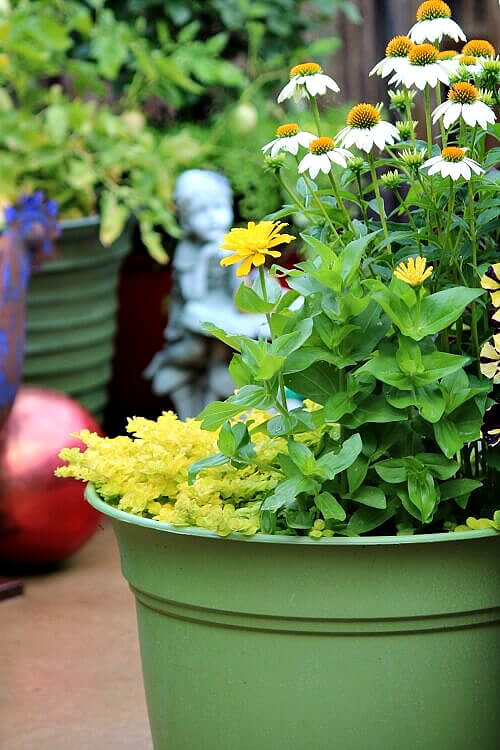
Plants on the blue and yellow end of the color spectrum attract bees because those are the colors they can easily perceive.
Darker colors, such as red, appear black to bees. Since black is the absence of color, bees are not naturally attracted to plants with red hues.
Provide A Puddling Source:
If you see butterflies on moist sand or mud and they appear to be nibbling, this is called “puddling.” They do this to obtain minerals from the soil.
You can provide a puddling source by placing a saucer or shallow pan in your garden and filling it with coarse, moist sand. (Sand keeps water from evaporating).
Plants That Attract Butterflies:
- Alyssum
- Aster
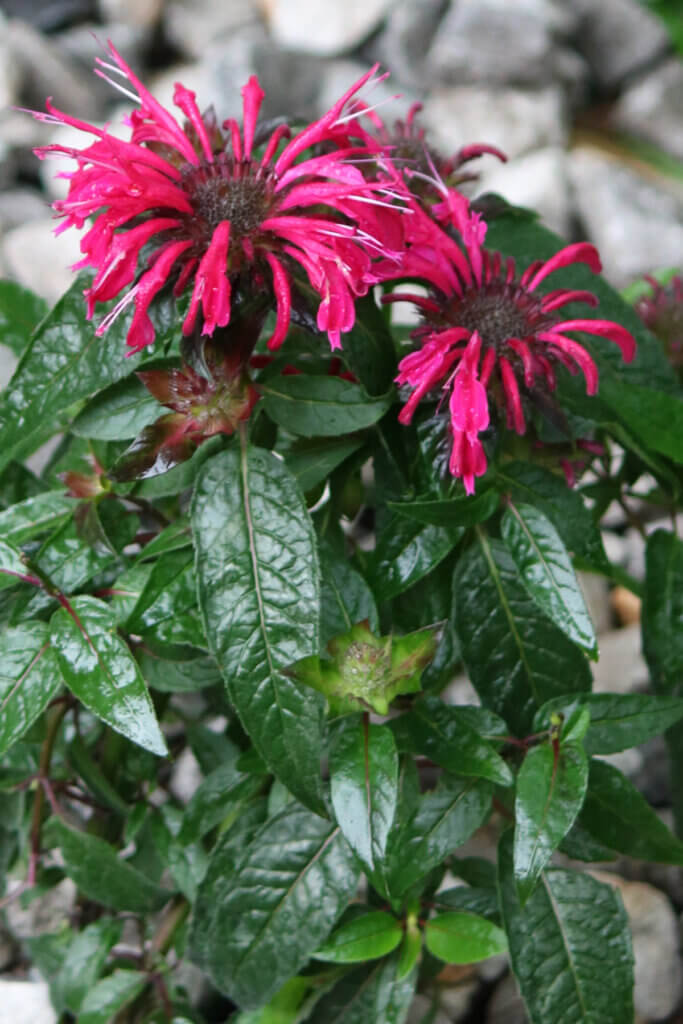
- Bee balm
- Butterfly bush
- Calendula
- Cosmos
- Daylily
- Phlox
- Purple coneflower
- Queen Anne’s lace
- Sage
- Scabiosa
- Shasta daisy
- Stonecrop
- Verbena
- Yarrow
- Zinnia
Plants That Attract Bees:
- Allium
- Aster
- Basil
- Bee balm
- Bee plant
- Bergamot
- Blanket flower
- Borage
- Cosmos
- Flax
- Four o’clock
- Gaillardia
- Geranium
- Giant hyssop
- Globe thistle
- Goldenrod
- Helianthus
- Hyssop
- Joe-pye weed
- Lavender
- Lupine
- Marjoram
- Mint
- Mullein
- Paint brush
- Poppy
- Rosemary
- Sage
- Skullcap
- Sunflower
- Thyme
- Verbena
- Wallflower
- Wild rose
- Zinnia
Why You Should Attract Bees & Butterflies To Your Garden:
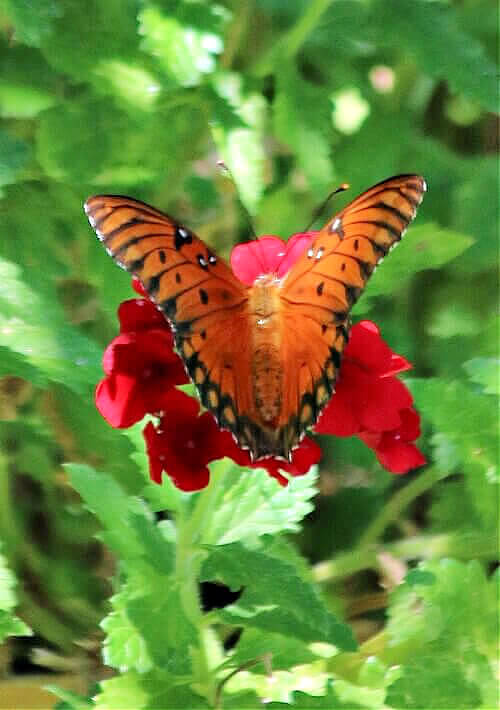
Attracting bees and butterflies to your garden has many advantages. First, they are visually appealing creatures.
Second, bees are perfectly adapted to pollinate. This helps plants grow, breed, and produce food.
Many ornamental and edible plants rely on these pollinators to transfer pollen within their blooms.
Native plants are essential to pollinators and other wildlife. Native plants provide butterflies with the nectar or foliage they need as adults and as caterpillars.
Adding a bee and butterfly water source to your yard is a simple, beautiful way to support pollinators and enhance the natural ecosystem around your home. Here’s why it matters:

1. Hydration for Pollinators
Bees, butterflies, and other beneficial insects need water just like any other living creature. During hot or dry weather, natural water sources may be scarce, so providing a shallow, safe water source helps them survive and thrive.
2. Supports Pollination
Well-hydrated bees and butterflies are more effective at pollination, which improves the health of your garden. Your flowers, fruits, and vegetables will benefit from more frequent visits by these pollinators.
3. Boosts Local Biodiversity
Providing food and water helps sustain a greater variety of beneficial insects. This attracts birds, enriches your garden’s ecosystem, and supports the broader environment.
4. Encourages Habitat Balance
Insects, such as bees and butterflies, are keystone species. Meeting their basic needs, such as water, creates a balanced, natural habitat and reduces the need for pesticides or other interventions.
5. Adds Natural Beauty
A bee or butterfly water station can be decorative and charming. Using pebbles, shallow dishes, or vintage saucers gives it a rustic, garden-core aesthetic while serving an important purpose.

Tips for a Bee & Butterfly Water Source:
- Use a shallow dish with pebbles or marbles for perching.
- Keep it clean and refill it regularly.
- Place it near flowering plants for easy access.
- Avoid deep containers—they can drown small insects.
Vintage & Upcycled Water Source Ideas for Bees & Butterflies:
1. Teacup on a Saucer or Stand
- What to use: Mismatched vintage teacups and saucers.
- How: Glue the teacup to the saucer or an old candlestick or spindle for height. Fill the cup with pebbles and water.
- Where: Nestle among flowers, or place on a small table or stump.
2. Old Pie Tins or Cake Pans
- What to use: Rusty or dented pie tins, enamelware pans, or shallow baking dishes.
- How: Fill with river rocks or marbles and water. Prop up on bricks or place on the ground.
- Style tip: Add a sprig of lavender or mint for beauty and to attract pollinators.
3. Upturned Glass Light Fixtures
- What to use: Glass globes or shades from old ceiling fixtures (especially frosted or textured glass).
- How: Turn upside down, fill with small stones and water, and set in the garden.
- Bonus: The dappled glass catches the sunlight beautifully.
4. Vintage Ashtrays or Soap Dishes
- What to use: Glass or ceramic ashtrays, soap dishes, or even gravy boats.
- How: Perfect shallow depth—just add a few small rocks and water.
- Where: Tuck into planters, window boxes, or on garden shelves.
5. Repurposed Drawer Pulls or Hardware
- What to use: Deep antique drawer pulls or cup-style handles.
- How: Mount on a fence or a vertical board, fill with small stones and water.
- Why: A discreet, artistic touch that’s both useful and unexpected.
6. Mini Birdbath from a Lamp Base
- What to use: An old lamp base + a shallow bowl or dish.
- How: Remove wiring, glue the bowl to the top, and fill with smooth pebbles and water.
- Style: Paint it a soft pastel or leave chippy paint for rustic charm.
7. Reclaimed Window Frame Tray
- What to use: A salvaged window or wooden picture frame.
- How: Add a shallow tray or pie tin inside one of the windowpanes. Set flat on a bench or stump.
- Extra: Surround with flower pots for a bee-and-butterfly buffet/café.

What a great site! Thank you for the butterfly and bee water source advice; beautiful in two ways – offering a cool helping hand to our pollinators while beautifying our world! I will be back!
Lots of good info here. Thanks!
what fertilizer do you use for your plants. they always seem to flourish
I haven’t fertilized them. I rarely do. They seem to do okay without it. But I do have the ingredients to make a homemade fertilizer if I need it.
The part about changing the water daily is important to not breed mosquitoes!
We have “false acacia” trees which have just come into bloom, and which bees love. Acacia honey is very sought-after. I plan to plant some flowers to attract more butterflies, and I hope to also get hummingbirds, which I haven’t yet seen here. Your list will come in handy. We do have a lot of lavender, and it certainly does please the bees.
I’ll have to google that. I haven’t heard of acacia honey.
I absolutely love this idea! A simple and beautiful way to enhance my garden!