
How to Turn an Empty Space into a Garden
This post may contain affiliate links. If you purchase through links on my site, I may earn a commission at no cost to you. For more information, please see my disclosure policy.
When I first turned an empty space into a garden, I followed the same approach that my grandmothers did.

I made even rows in the ground, and I dug one row after another wherever I had space. I lined up my vegetable plants like soldiers standing in formation and heading to war.
As time passed, my gardening skills improved. I realized that many elements make up a pleasing garden.
Plan Your Garden:
Turning an empty space into a garden is one of the loveliest ways to bring life, color, and personality to your surroundings.
What may begin as a bare patch of earth, a forgotten corner of the yard, or an unused stretch beside the house can become a little sanctuary filled with flowers, greenery, and the pleasures of nature.
You don’t need a large yard or an elaborate plan to begin. A garden can grow from a few carefully chosen plants, a handful of seeds, and the simple desire to create something beautiful.
Begin By Imagining the Possibilities:
Before buying plants or digging into the soil, take time to look at the empty space. Notice where the sunlight falls, where shadows gather, and how rainwater moves through the area.
Is it a sunny spot for flowering plants, or a shady corner better suited to ferns, hostas, and other shade-loving greenery?
Think about the kind of garden you would enjoy most. Perhaps you dream of a cottage garden overflowing with old-fashioned flowers, or a peaceful green retreat with leafy plants.
Let your imagination guide you, but let your space’s conditions help shape the final design.
Prepare Your Garden Space:
Every garden begins with a little preparation. If you’re using containers, it’s not much work. You just need a surface to put them on.
If you’re planting in the soil, there’s the removal weeds, unwanted grass, stones, and debris. If the ground is compacted, you must loosen the soil and work in appropriate organic matter to improve its structure.
Take time to observe how the space drains after rainfall. Most plants appreciate soil that holds enough moisture to support their roots without remaining waterlogged.
If the area has poor soil, don’t let that discourage you. Raised beds and containers offer alternatives that allow you to create a growing space with soil chosen specifically for your plants.
The work may seem ordinary, but these first steps give your future garden a healthy foundation.
Give the Garden Shape & Character:
You might create a gently curved flower bed, edge a planting area with stones, or lay a few stepping stones through the middle.
Think about height and arrangement, too. Taller plants can provide a backdrop, medium-sized flowers can fill the center, and low-growing plants can soften the edges.
A small trellis, an old garden bench, or a collection of attractive pots can add character without overwhelming the space.
You don’t have to make everything perfectly symmetrical.
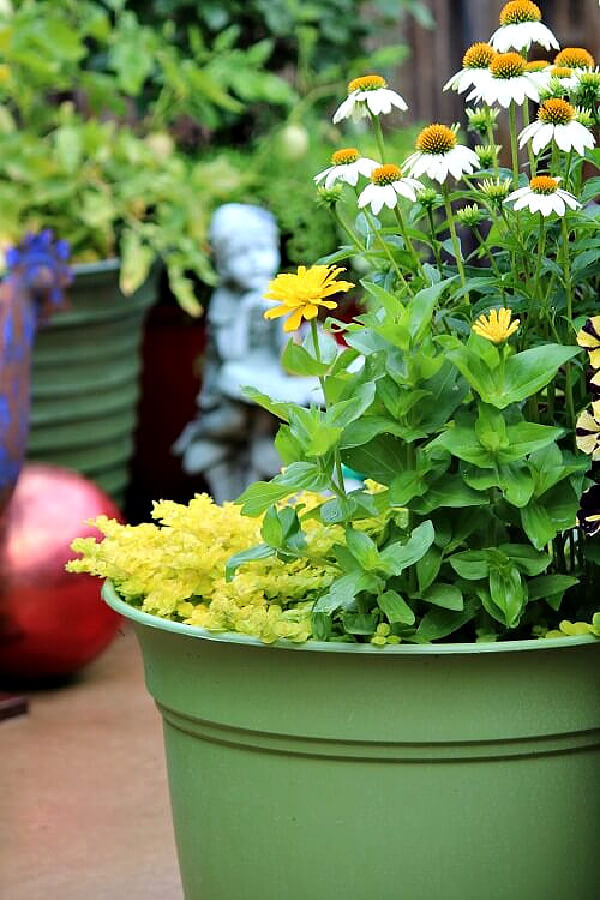
Choose Plants That Bring Your Garden to Life:
This is where the transformation becomes especially rewarding. Choose plants that suit your climate, sunlight, available space, and the amount of care you can comfortably provide.
Some lovely choices include:
- For cheerful color: zinnias, daisies, cosmos, and marigolds.
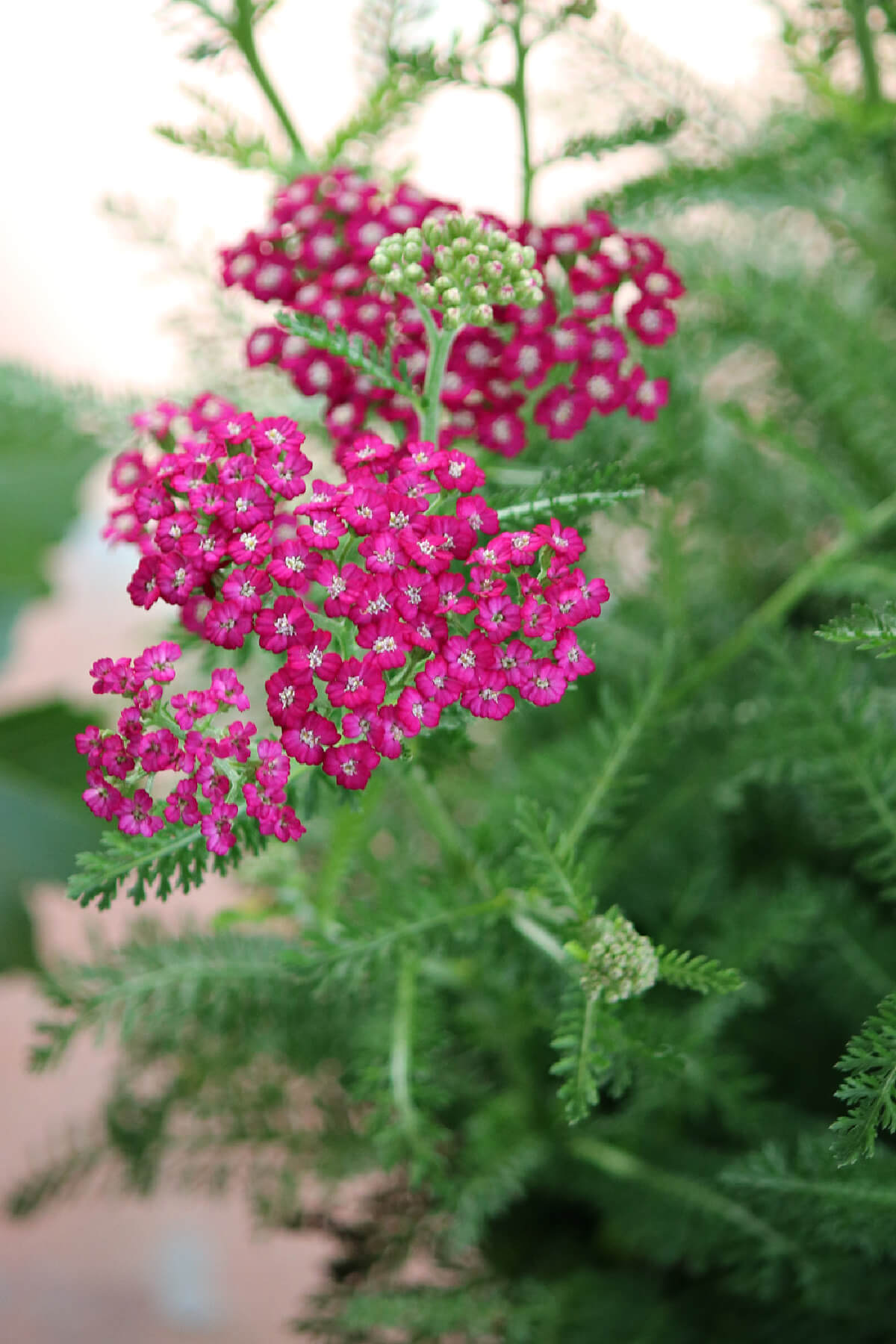
- For an old-fashioned cottage garden: coneflowers, hardy geraniums, salvia, and other traditional flowering perennials.
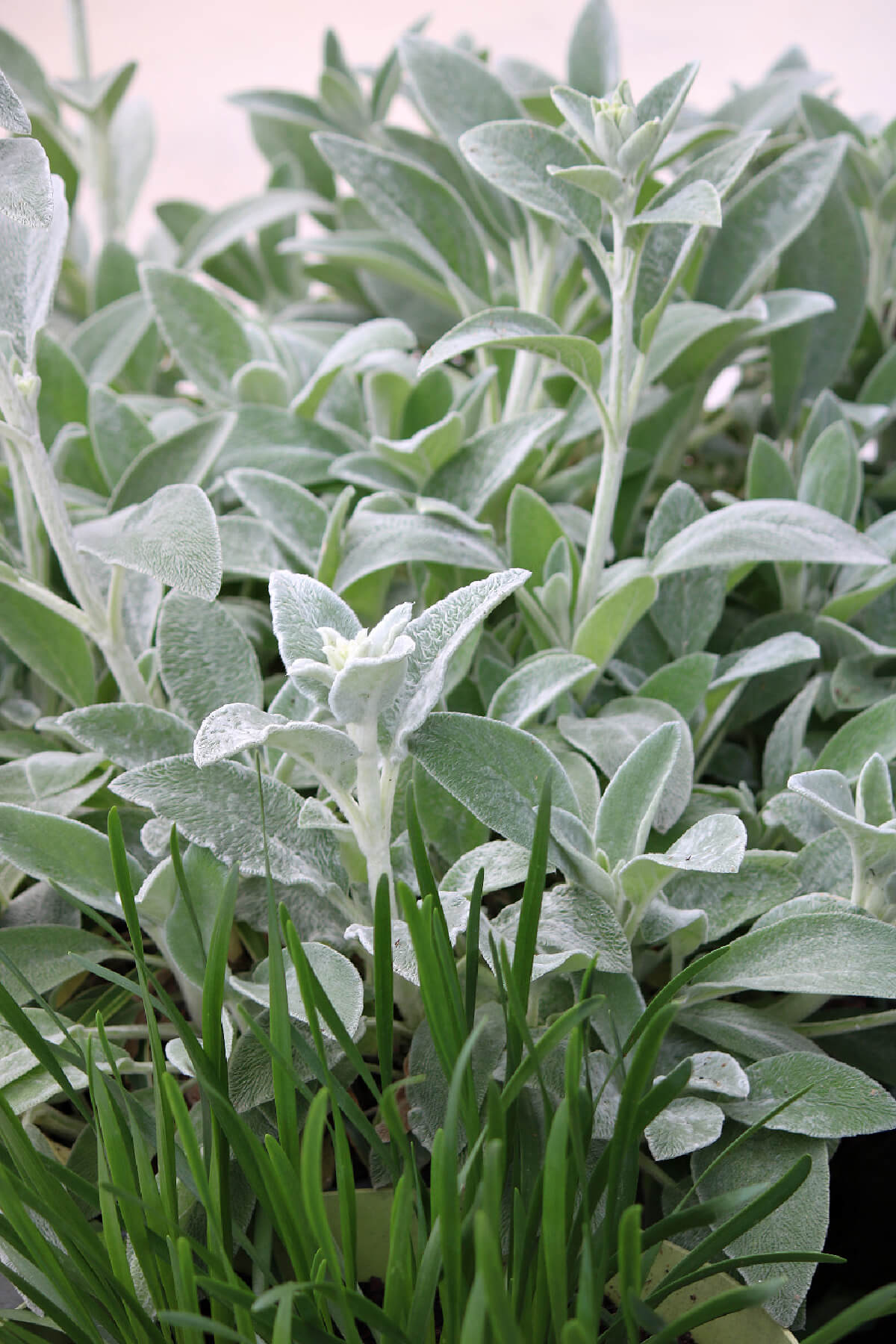
- For leafy texture: ornamental grasses, ferns, hostas, and foliage plants suited to your conditions.
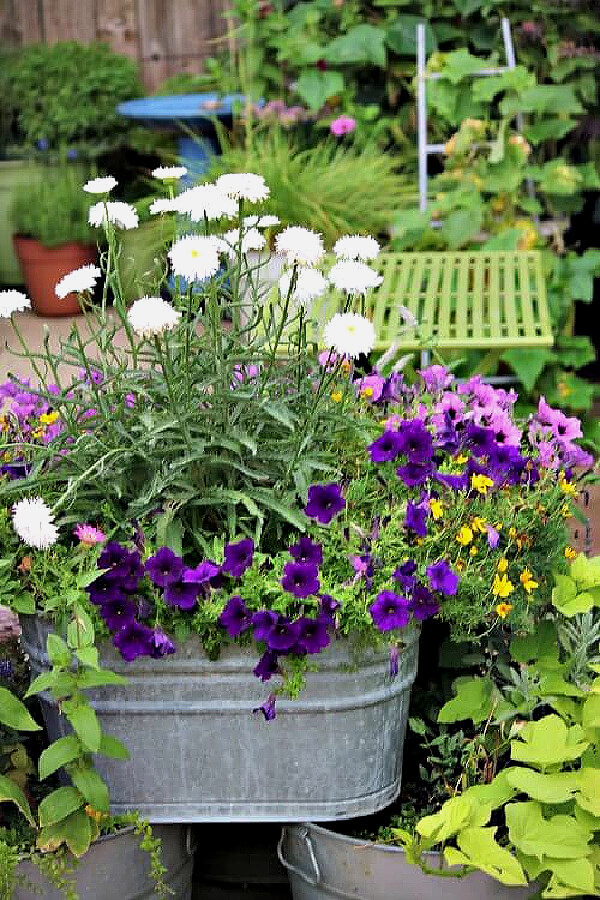
- For a small space: containers of flowers, herbs, or compact shrubs.
- For wildlife: flowering plants that provide nectar and pollen for bees and butterflies.
Instead of planting everything at once, start with a manageable selection. Leave room for plants to mature and spread, and remember that a garden can evolve over several growing seasons.
Add the Little Details to Make it Personal:
A garden is more than a collection of plants. It also reflects the person who creates it.
An old watering can tucked beside a flower bed, a weathered pot filled with herbs, or a birdbath can make the space feel welcoming.
Reuse items you already own, or look for interesting objects at thrift stores and garden sales.
If you enjoy spending quiet moments outdoors, consider creating a small sitting area where you can read, sip your morning coffee, or watch the birds.
Even the smallest garden can become an outdoor room where you can enjoy spending time.
Planning Your Strategy:
First, consider how much space you have and plan accordingly. I have a cement patio, so I garden in containers. My preferred containers are galvanized, plastic, and terracotta.
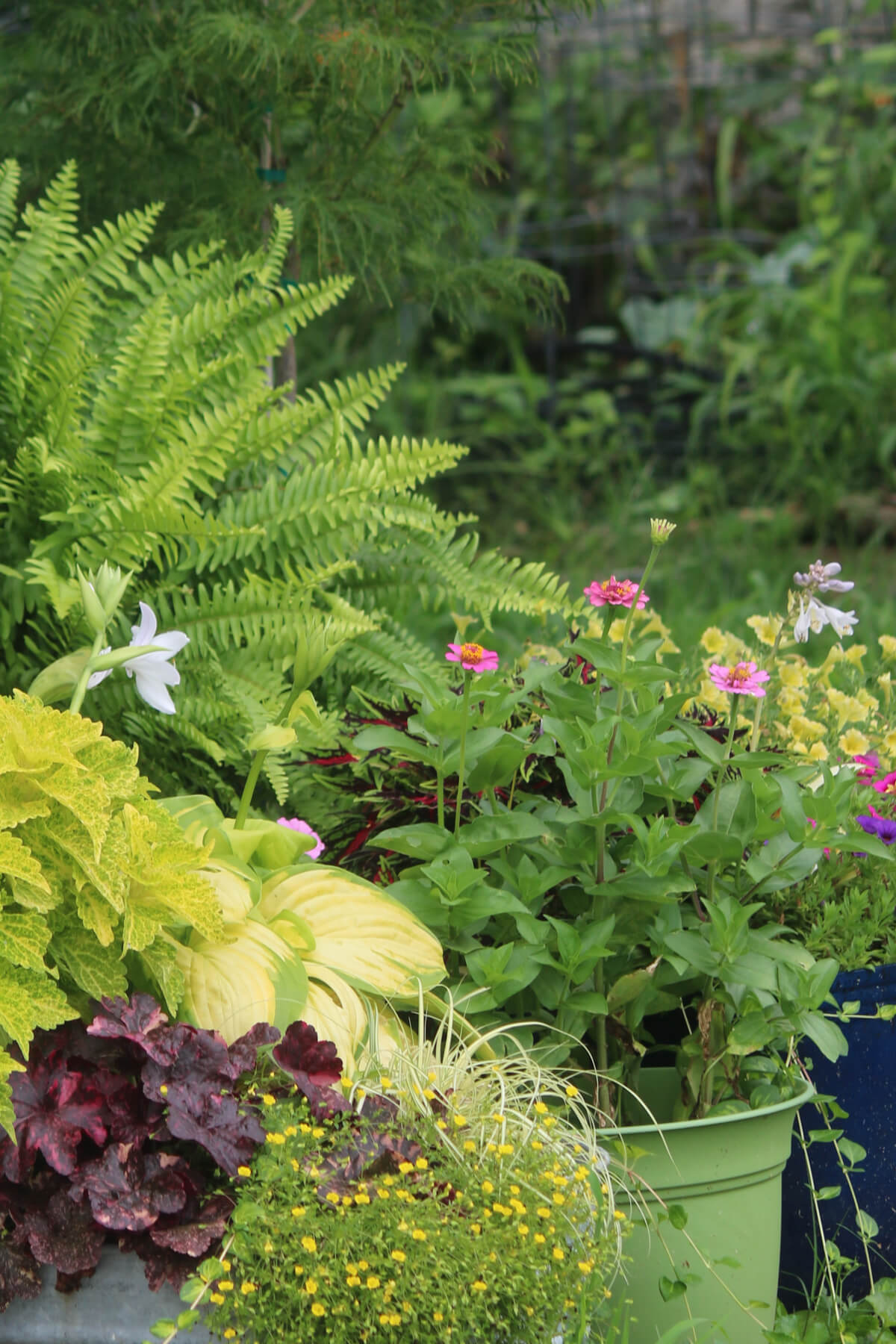
Ceramic planters often crack in the winter. Terracotta pots let moisture seep through, and in this heat, I strive to keep moisture in. So much of the time, I choose plastic containers with drain holes.
But a garden isn’t just blooming flowers to me. To me, it is a natural miracle. When I open the French doors and look out on my patio, I see a painting. Maybe not a Renoir, but a painting nonetheless.
When I Design a Garden:
I think of a garden much like a room I’m decorating. A room needs furniture, and a garden needs focal points, such as natural elements. I have a large piece of driftwood in my patio garden.
When I design a garden, I consider where to place containers and how much sunlight each plant needs. And I’m thinking about a backdrop for those plantings. Then I fill in the blanks.
Bringing Nature To Your Garden:
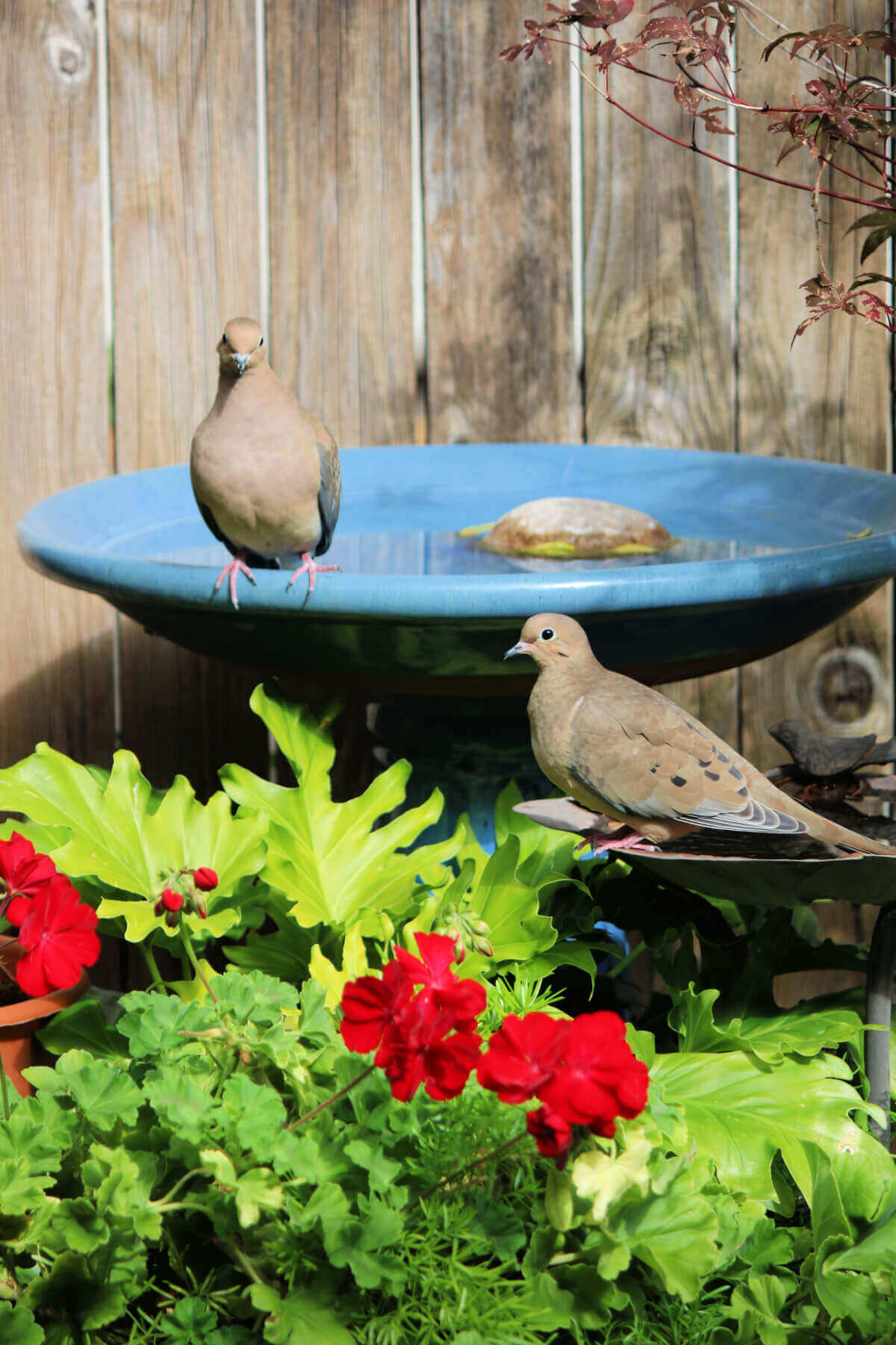
Then I think about how to invite nature into my garden. I have a bird bath in my garden, since I love birds.
Birds are attracted to running water, such as a fountain or a stream. Moving water, whether from a fountain, waterfall, or even a dripping hose, is especially attractive to birds during migration.
The sound of dripping or splashing water helps birds locate water sources and indicates that the water is likely clean and fresh.
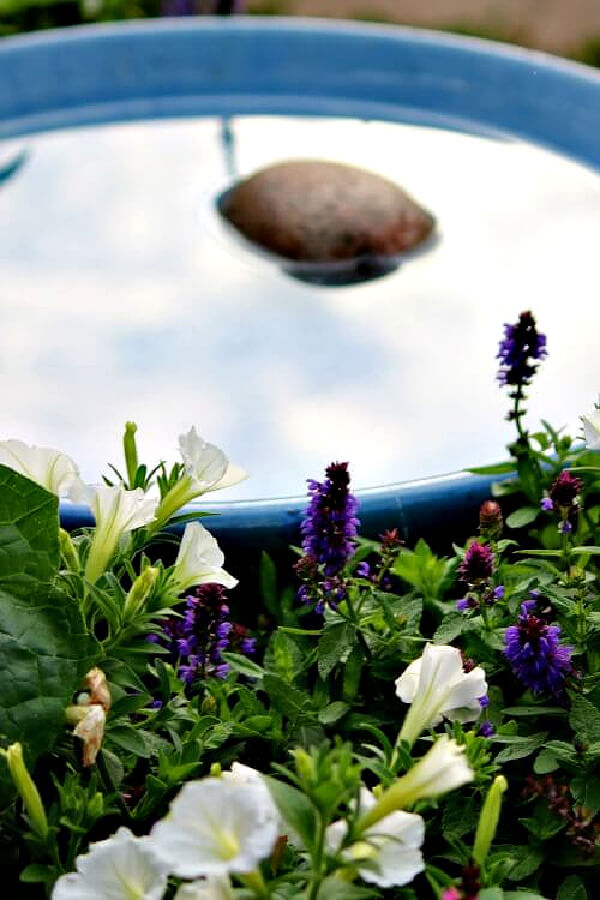
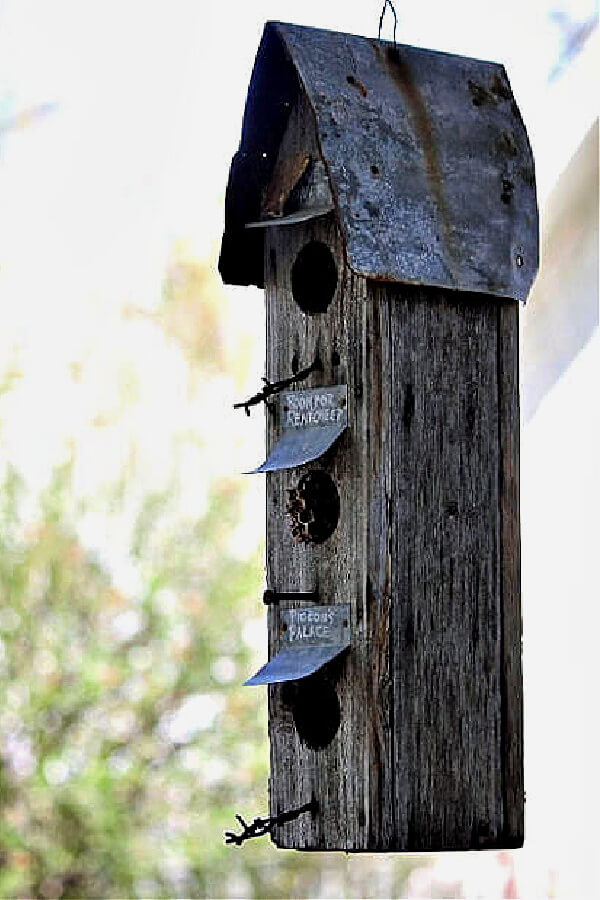
To bring nature to your garden, provide food, water, and shelter for wildlife. You can do this by planting native trees, shrubs, and flowers.
Create layers in your garden and provide water sources such as bird baths or ponds.
Reducing or eliminating pesticides and herbicides, and creating brush piles or log stacks, can also attract a variety of creatures.
Garden Art:
I have metal garden art pieces by a local Tulsa artist in my garden space. Garden Deva creates unique metal sculptures, seasonal pieces for spring, and commission work for businesses.
I see her work all over town. It’s immediately recognizable.

To add garden art, consider your garden’s style and choose pieces that complement it. You can incorporate sculptures, statues, painted rocks, or even repurposed items like old wagons or bathtubs.
Place art strategically to draw attention to focal points, enhance pathways, or fill empty spaces. Don’t be afraid to get creative and craft your own unique pieces using recycled materials or simple techniques like stenciling or mosaics.
Adding Trees In Containers:
In my garden, I have two trees planted in large containers.
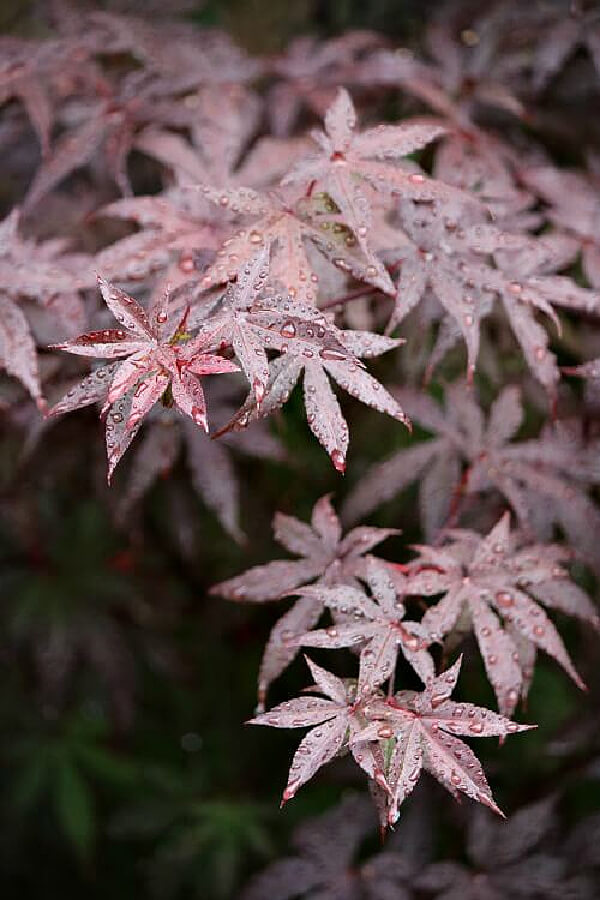
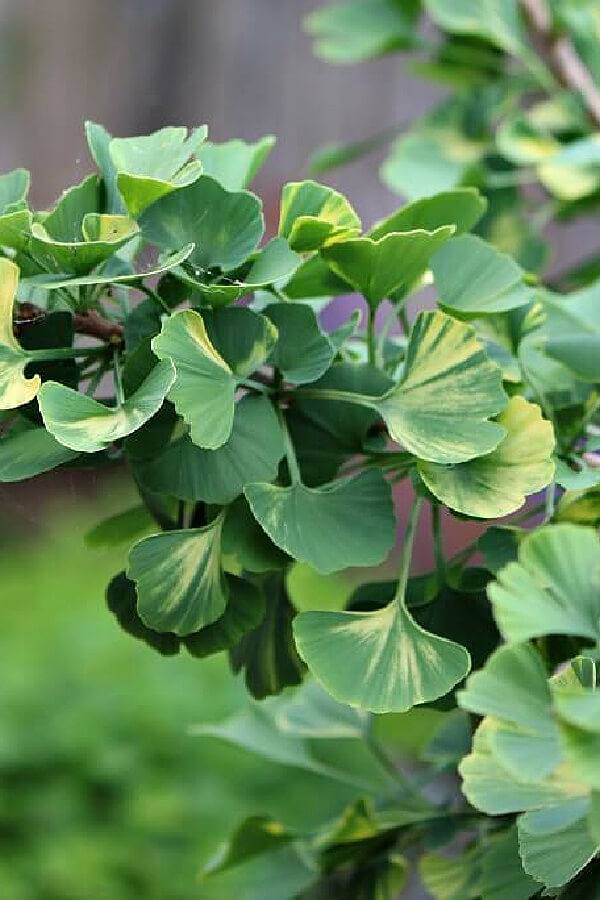
Both thrive in large containers. They add height to my garden space and help shade flowers and plants that wilt in the intense heat.
Pleasing The Senses:
I have a rose bush in a large container that lends a sense of softness to the garden. At the base of the plant, sedum drapes over the edge.
I mix flowers, vegetables, ornamental grasses, and herbs because I love them all, and each serves a purpose.
Porch Garden:
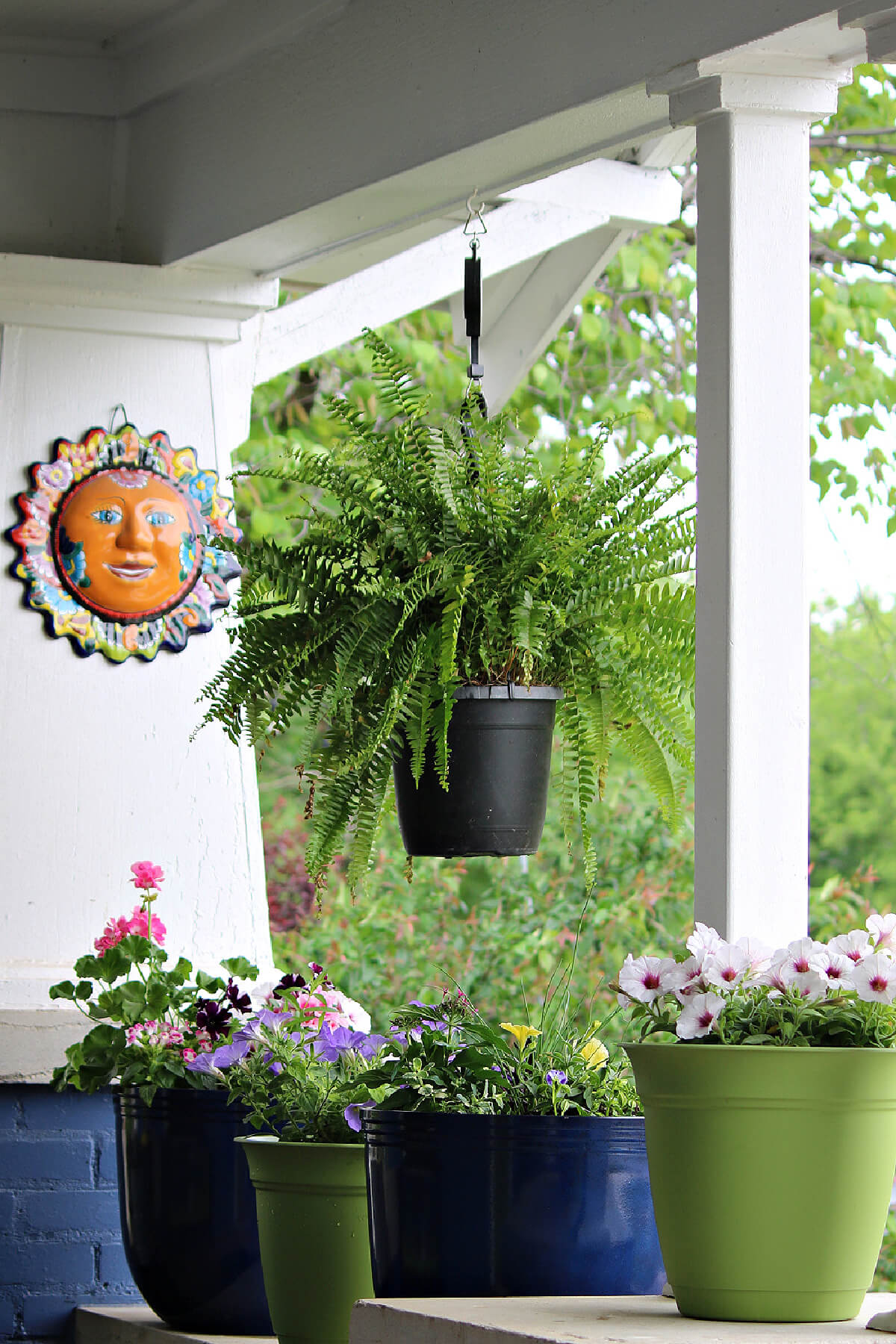
I put large 16-inch-wide containers on my porch and I plant flowers and herbs in them. It looks beautiful from the living room window and is also pretty from the curb.
Every spring I look forward to going to the nursery to buy plants for my porch containers.
Garden Tool Storage:
I have a potting bench where I store various items throughout the gardening season, like tools and soil. You can add a potting bench for this purpose, or add a shed.
I no longer garden in regimented, straight-lined rows, as my grandmothers did all those years ago.
Now I create a space that pleases the senses and invites nature into my garden. I do this by varying how I arrange containers and planting a blend of perennials and annuals in my raised garden.
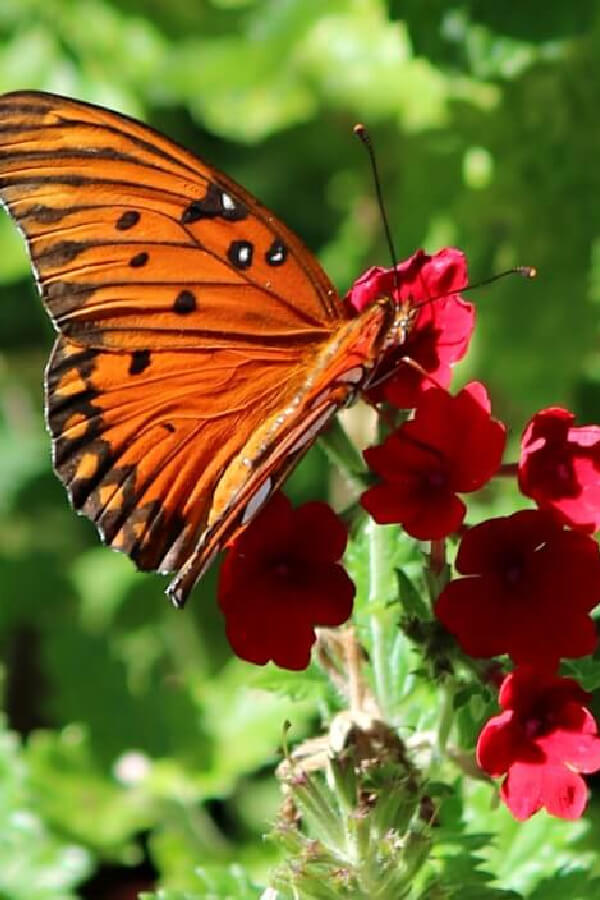
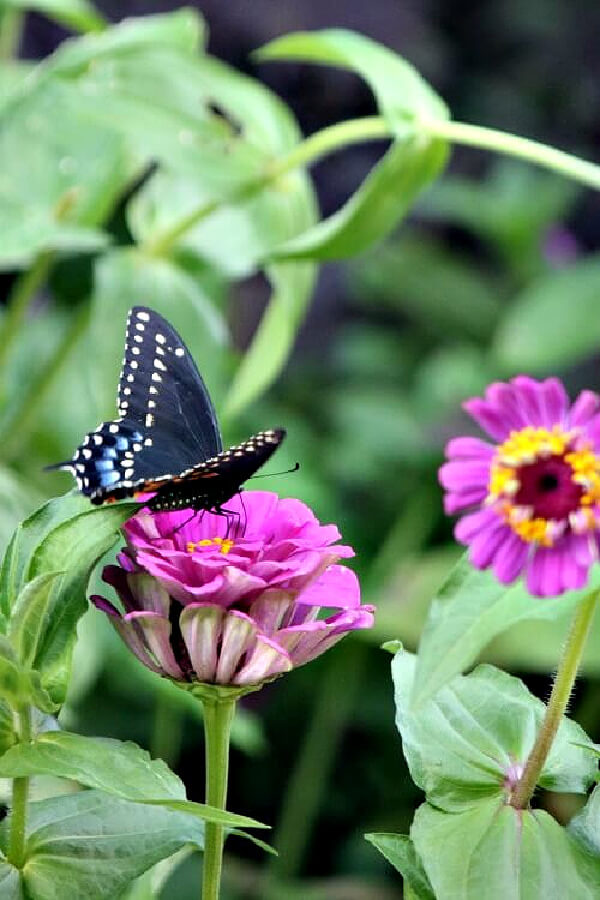
I plant flowers for their beauty and attractiveness to pollinators. The ornamental grasses serve as a backdrop, providing height, texture, and movement. I grow vegetables and herbs for cooking and flavoring food.
I have an abundance of bees, butterflies, ladybugs, dragonflies, and birds. Create a bee and butterfly water source, and they will visit your garden.
The Ultimate Creation Of A Garden:
The plants and elements of nature provide an ecosystem, a little world right inside the perimeter of my cement patio.
No matter how much space you have, you can create your own garden, big or small. Even if you only have an apartment balcony or a small patio.
Scale it down, and you will have your little paradise on earth that will please all your senses. An extension of your home, created for your own personal enjoyment.
The Beauty of Beginning With Nothing:
It is deeply satisfying to turn an empty space into a garden. You begin with bare ground and a possibility, then slowly introduce the elements that make the space feel alive.
A few plants become a flower bed. A bare corner becomes a peaceful retreat. An unused patch of earth becomes a place where butterflies visit, flowers bloom, and the seasons unfold.
You don’t need to spend much money or do everything in one weekend. Start with one small area, choose plants you love, and build from there.
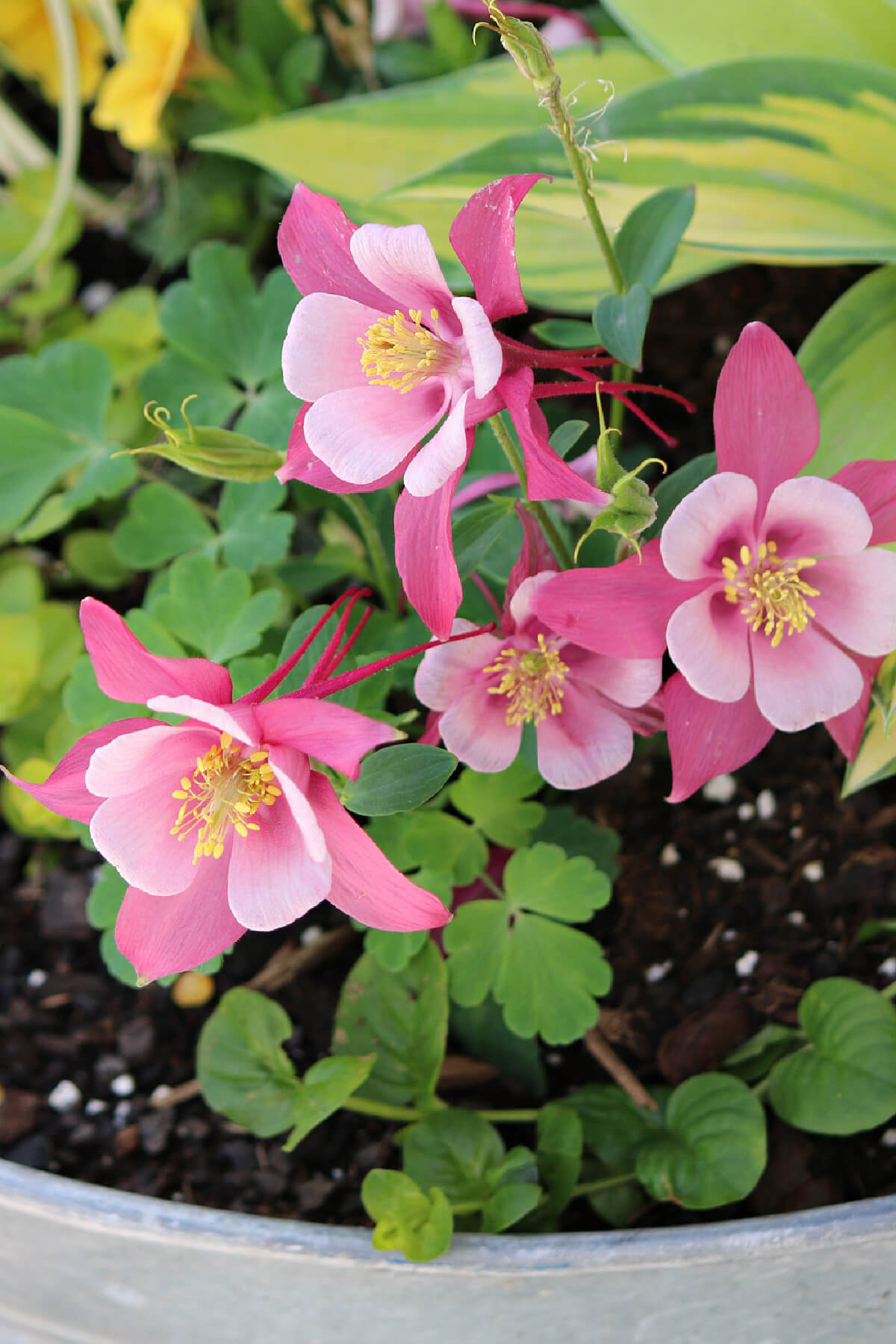
You don’t need to spend much money or do everything in one weekend. Start with one small area, choose plants you love, and build from there.
In time, the garden will become more than something beautiful to look at. It will remind you that lovely things often begin with a simple idea, a little patience, and the willingness to help something grow.
“A garden to walk in and immensity to dream in – what more could he ask? A few flowers at his feet and above him the stars.”
– Victor Hugo





I think you certainly have an eye for decorating…. inside and outside. Yes, you can learn that but some people just have a sense of how to put things together and I think you have a natural ability. I’m guessing you have honed your skills over the years but what you’re doing now is sublime.
It has always been something I think about. When I was a child I never even had my own bed. I had to share one with my grandmother. I always wanted my own space so I could do what I wanted with it.
Lovely post as usual. We are planning to move. Our garden will be much smaller. I have gardened for over 30 years but there is still much to learn!
I prefer smaller space gardens. I get a bit overwhelmed with a lot of space. I don’t know where to focus first.
If I lived right behind a Sonic, I’d have their ice every day…that’s the correct one with the great ice, isn’t it? People rave about it, but I’ve never been close enough to try it.
Yeah and I could go get my iced tea half price from 2-4 I think it is. But I only have once I think! I tend to forget until about 5 p.m.
What a beautiful patio garden you have!
How do you keep birdbaths and fountain clean?
Well I change the water in the bird bath once or twice a day when I’m out watering anyway. And I pretty do the same with the fountain. It’s just right there outside the door so I see if I need to clean it.
I agree that our outdoor spaces are an extension of our homes! I play around outside with my plant containers and garden decor until it looks pleasing to the eye, just as you do. You sure have made your small patio garden space a beautiful haven. Now if it would cool off a bit for you, you could actually sit out there and enjoy it!
I know! Just when things start really growing and thriving I have to stay indoors due to the intense heat. Well, at least I can look from inside.
Can you explain why the Sonic is an issue with having bird feeders? Do birds such as starlings and grackles hang out at Sonic looking for dropped food, and then come to your patio? I think starlings are handsome but they can be a pain. When we took down our suet feeders they quit coming around because they can’t come up with a way to eat from the tube feeders. I used to grow very large gardens back in the 1980s, all in rows. Over time my gardens evolved into beds in which I did the least amount of digging possible and used a lot of mulch on top. I’ve only had a few flowers for a few years but this year I planted more flowers and also added some zucchini, butternut squash and pumpkins in a new bed. I planted yellow squash and it didn’t come up. I have two cherry tomato plants but they seem bored and have only produced a few tomatoes. Quite a few people in my neighborhood started gardens back during the lock down since they were at home and probably thought it would be a sort of victory garden. I noticed the other day that at one house, half of the big garden plot now has an above-ground pool on it! I guess someone got tired of gardening.
Because there are rats that feed around the dumpster behind Sonic. I see the rat control containers at their back door. I’m just a short distance away and putting out bird seed brings the rats to me. Have you read or heard about the rats being so hungry in NYC because they closed down the restaurants that were clustered together? Now that they’re opening back up they’re back with a vengeance. If I had a large area, I’d probably garden in those same rows again. There’s something relaxing about seeing rows of veggies, etc.
I’m so glad you wrote this post.And your garden is so beautiful.Thank-You. Have a great day Brenda.
I have a mirror hung on the fence. It reflects the beauty of the flowers blooming on the other side of the garden. I’m getting lots of color combos from your serene garden.
Just be sure the sun does not directly shine on your mirror. I’ve heard they can start fires. I have no personal experience with this of course. Just a precaution.
You are so right about having a small ecosystem when you have a garden. My little front garden is made up of mostly plants and cuttings I’ve replanted a little over ten years now; not the lovely flowers and variety of plants that you have, but it is a mini ecosystem, like you said. Birds, butterflies and the occasional bees enjoy my little jungle. So many lizards seem to make a home here too; I’ve had to stop my youngest cat from from hunting a few.
It is the prettiest view, right outside my window, of green thriving plants.
Next up flowers.
I planted a gardenia plant right outside my window three years ago. Not much luck the last 2 years.
Any suggestions?
I don’t know much about gardenias. I had one last a winter but then it died. I love seeing front yard gardens. Not carefully manicured landscaping but actual gardens.
I too love this post. Thank you for writing it and posting it! I’ve added it to my home screen so I can revisit often.
Well thank you!
I love this post.
Well I’m glad I wrote it then!