Small Space Vegetable Gardening Tips
This post may contain affiliate links. If you purchase through links on my site, I may earn a commission at no cost to you. For more information, please see my disclosure policy.
I have small-space vegetable gardening tips for anyone living in an apartment, duplex, or condo. If you have a patio or a balcony, you can grow vegetables. The same goes if you live in a house with a small outdoor footprint.
I’ve grown many vegetable gardens in containers over the years.
Since I live in Tulsa, I have a nice, long growing season. My zone is 7b. If I wanted to, I could start cool-weather crops now (lettuce, peas, radishes) and transition to tomatoes and peppers in late April/May, once the last frost has passed.

Best Vegetables Per Container Size:
In terms of container size, the larger your container is, the easier it will be to maintain. The more soil a container holds, the more moisture it will retain. The key is to choose the right size container for the plant and ensure it has proper drainage.
Some vegetables, such as tomatoes and squash, will require a deeper pot because they have deeper roots.
Small pots (6–10″) — herbs & greens
- Lettuce, spinach, arugula
- Radishes, green onions
- Basil, chives, parsley, cilantro
Medium pots (12–16″) — compact producers
- Bush beans
- Peas (with a small trellis)
- Chard and kale
- Beets and carrots (need depth)
Large pots (18″+ or 5-gallon buckets) — heavy producers
- Tomatoes (cherry or patio varieties work best)
- Peppers and eggplant
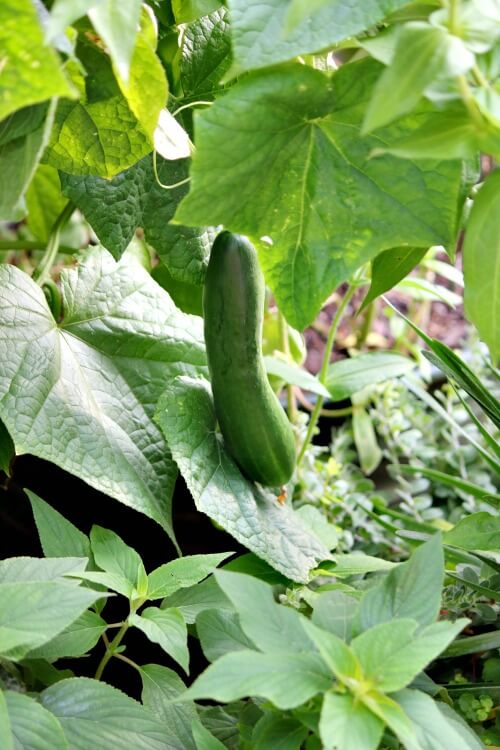
- Cucumbers (bush type)
- Zucchini (one plant per large pot)
What is Succession Planting?
Succession planting is the practice of staggering your planting so that the plants reach maturity at different times. This way, you have a steady production of vegetables and save space by replacing old plants with new ones throughout the season.
There are several methods for succession planting. The timing will vary depending on the vegetable variety.
The simplest method is to pull up one plant after it has produced vegetables and been harvested at its peak. Then plant a new seed in the same space. You will have a steady supply of vegetables if you plant in this fashion.
Most Suitable Plants for Succession Planting
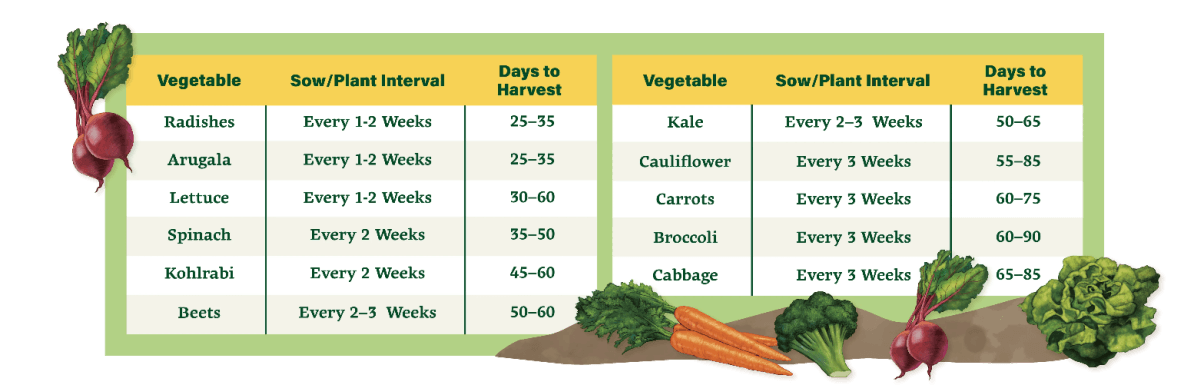
Direct-sow fast-growing crops like radishes, carrots, and peas, and transplant slower-growing crops like broccoli, cabbage, and cauliflower.
Below is a chart from Gurney’s Seeds:
Easy Veggie/Herb Starter Combos
- One big tomato pot + basil companion planted in the same container
- Salad bowl — mixed lettuces + arugula + chives
- Herb pot — basil, parsley, and thyme together
Tips for Success
- Watering — containers dry out fast, especially in summer heat. Check daily and consider self-watering pots
- Fertilize regularly — container soil depletes quickly; use a balanced vegetable fertilizer every 2 weeks
- Sunlight — most vegetables need 6–8 hours of direct sunlight
- Size up when in doubt — bigger containers = more root room = more yield
- Succession plant lettuce and radishes every few weeks, so you always have something ready to harvest
Sun Exposure, Water & Soil:
Though most vegetables need 6 or more hours of sun each day, vegetables like lettuce and broccoli can survive in partial shade. I’ve found that it just depends on your exposure and weather.
Vegetables that say on the packet that they need 6 or more hours of sun might not always be the case. When it’s gotten very hot, I’ve had to move the vegetable containers to a slightly shadier area.
Vegetables need regular watering. The quickness of their growth depends on it. So you can’t rely on rainfall alone with vegetables in containers, as they will heat up quickly.
Vegetables also need rich soil, so it is wise to add organic matter. Even taste can be affected by soil quality.
If you can provide sun, water, and good soil, you can have a thriving vegetable garden.
Water Content of Vegetables:
Vegetables, after all, are mostly water. Below is the water content for commonly grown vegetables:
- Cucumbers and lettuce: 96 percent
- Zucchini, radish, and celery: 95 percent
- Tomatoes: 94 percent
- Green cabbage: 93 percent
- Cauliflower, eggplant, red cabbage, peppers, and spinach: 92 percent.
- Broccoli: 91 percent
- Carrots: 87 percent
- Green peas and white potatoes: 79 percent
How Much Space Do You Need?
Even a few pots can provide you with veggies. You can try this vegetable size tool to get a better idea.
The space you’ll need for a container vegetable garden depends on the types of vegetables you want to grow. Generally, larger containers are better for most vegetables, especially those with deeper roots, such as tomatoes and squash.
Smaller containers can be used for shallow-rooted vegetables, such as lettuce. A good starting point is a 5-gallon container for most vegetables. But some, like tomatoes, may benefit from larger 10-15-gallon pots.
Most vegetables need at least 12 inches of soil to grow well, but larger vegetables will require more space. To maximize space, try planting low-growers and tall climbers together in the same container.
You have to make certain choices if you have a small space garden.
When To Grow Vegetables:
Lettuce will grow in the cooler months, but will bolt when it gets hot. However, you can keep lettuce growing all summer if you plant tall plants to shelter lettuce from the sun.
If you don’t damage the lettuce crown, more will grow, giving you a steady supply of lettuce.
Most seed packets list the mature size of the plant. For containers, look for plants that say Compact or Petite. This does not mean that the veggies will be small.
Vegetables that harvest early, such as spinach, radishes, and peas, could be mixed with slower-growing plants like broccoli and peppers. Bell peppers grow up instead of out. So they’re perfect for containers or a small plot.
When the cooler-weather vegetables wane, replace them with warm-weather growers.
Warm-season vegetables are not frost-tolerant and can sustain significant damage when exposed to temperatures below freezing. Some may even show damage at temperatures slightly above freezing.
Warm-season vegetables should not be planted until the danger of frost has passed. Most are ready for harvest by mid to late summer, and those vegetables that produce continuously can be harvested regularly until the first frost.


Warm Season Vegetable Plants:
- Squash
- Tomatoes
- Peppers
- Cucumbers
- Green Beans
- Sweet Potatoes
- Okra
- Corn
- Eggplant
- Melons
- Tomatillos
- Asparagus Beans (Yard Long Beans)
- Summer Greens
- New Zealand Spinach
Cool Weather Vegetable Plants:
In spring or fall, you can plant cool-weather plants in your garden.
- Garlic (Plant in the fall)
- Parsnips
- Turnips
- Kohlrabi
- Cauliflower
- Head Cabbage
- Arugula
- Mustard Greens
- Broccoli
- Chives
- Lettuce
- Bush Beans
- Sage
- Garlic
- Parsnips
- Kohlrabi
- Asparagus
- Potatos
- Leeks
- Broccoli Rabe
- Bok Choy (Chinese Cabbage)
- Curly Endive
- Spinach
- Kale
- Collard Greens
- Carrots
- Beets
- Radishes
- Peas
- Turnips
- Brussel Sprouts
- Horseradish
- Bunching Onions
- Shallots
- Rutabaga
Vertical Space Vegetable Gardening:
Take advantage of vertical space if you have a small garden. When you can’t grow out, then grow up. When you grow vertically, you increase yield, improve pest management, create privacy from neighbors, and make harvesting easier.
Growing vertically helps reduce problems such as leaf fungus and fruit rot by improving air circulation.
Veggies you can train up a trellis are cucumbers, squash (acorn or butternut), tomatoes, green beans, and peas.
Container Gardens Can Yield Lots Of Veggies:
Just because you live in a small space doesn’t mean you can’t have a successful vegetable garden. As long as you have a patio or balcony and containers with access to water, you can grow vegetables.
If the surface is cement, however, the pots’ bottoms will dry out more quickly. Also, cement itself can be porous, allowing for further water loss.
Container vegetable gardens can yield higher yields than your average vegetable garden because the soil is above ground and warms up much more quickly during the day. Warmer soil promotes root growth and helps your plants grow faster.
Happy planting!


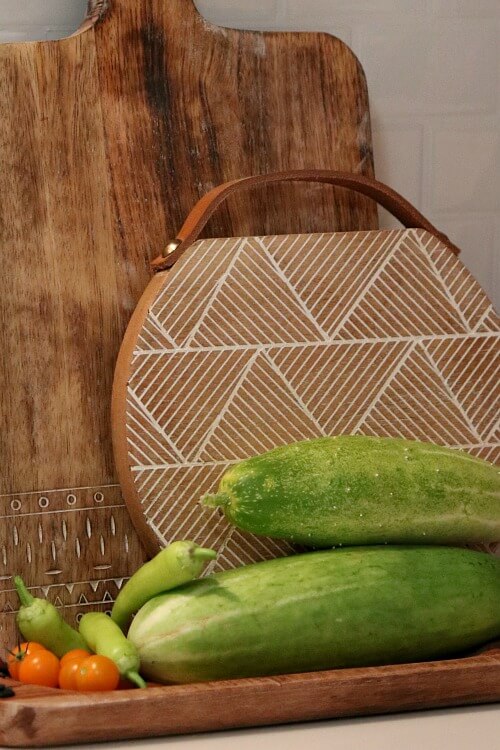
I grew veggies on a deck in a rental I had – I didn’t get the yield I get now but I did ok!! It sure was nice to go out and pick fresh herbs or veggies for dinner, even with only a deck to plant.
We just completed the building of a raised bed (in order to keep the dogs out of the veggies) to use for our herbs/vegetables. Tomorrow, I will be heading to the garden supply store for soil to add to the bed. The tomato plants are just about strong enough to transplant. I will sow seeds directly in the area for salad greens. I’ll need to pick up a few herbs (cilantro, parsley, chives, etc). I get so excited when planning the space. Love your information regarding the pest spray.