
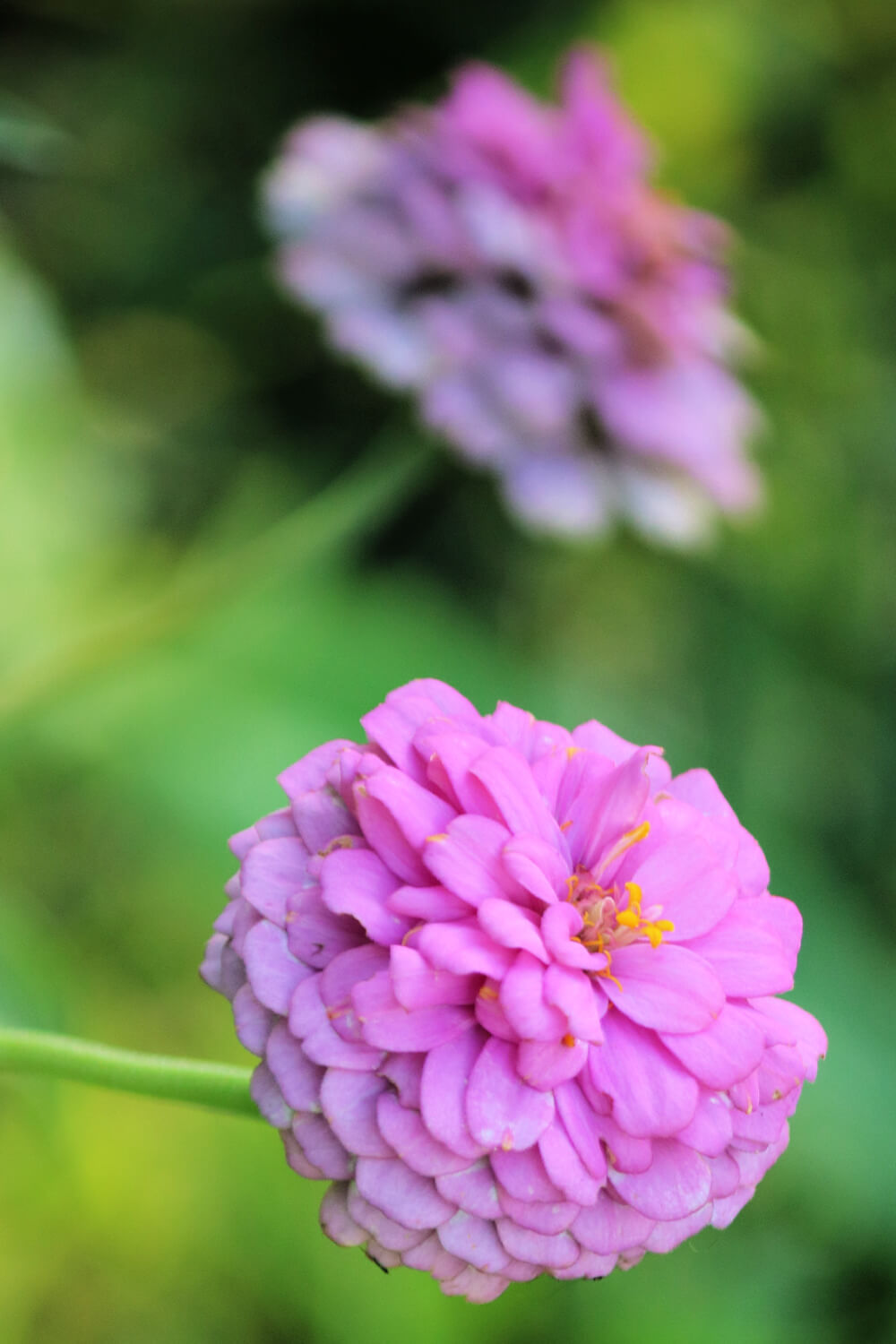
The Planting & Care Of Zinnias
This post may contain affiliate links. If you purchase through links on my site, I may earn a commission at no cost to you. For more information, please see my disclosure policy.
Today I’ll discuss planting and caring for zinnias. They are hardy plants that grow easily from seed. Zinnias are colorful, spiky flowers that bloom prodigiously for months.

Planting zinnias in your garden feels like inviting a burst of dependable rainbow colors into your outdoor space.
These cheerful, sun-loving flowers are known for their bright blooms and simple care, making them perfect for both beginner and seasoned gardeners.
Choose a sunny spot. Zinnias thrive in full sunlight, soaking up warmth throughout the day. The soil should be well-drained and lightly loosened to welcome the seeds with just enough softness for roots to take hold.
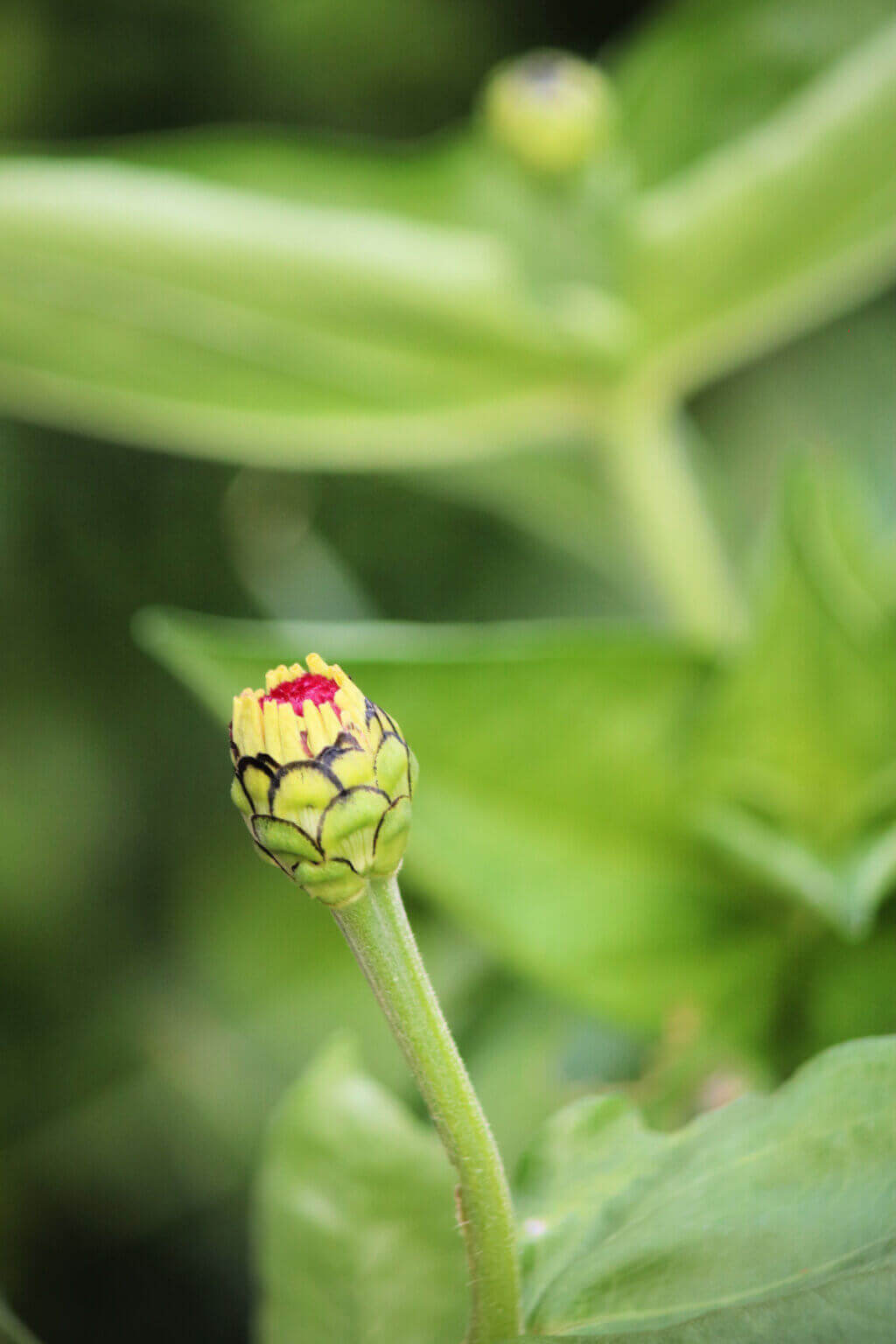
Within days, small green shoots will begin to emerge. As they grow, thinning the seedlings gives each plant room to breathe and flourish. Before long, sturdy stems stretch upward, and buds begin to form.
Zinnias Transform the Garden:
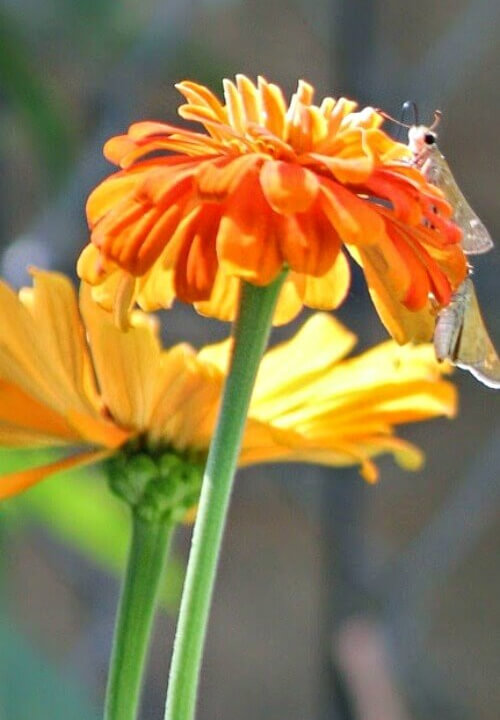
When the flowers open, zinnias transform the garden into a lively display of reds, pinks, oranges, yellows, and whites. They attract butterflies and pollinators, adding movement and life to the space.
Cutting the blooms often encourages even more flowers, making them as generous in bouquets as they are in the garden.
Zinnia plants typically live for one growing season. As annuals, they sprout, bloom, set seed, and die within a single year. You will need to replant them each season.
Genus
Zinnia is a genus of plants of the sunflower family, which is within the daisy family. The name honors 18th-century German scientist Johann Gottfried Zinn.
Zinnias are native to scrub and dry grassland stretching from the Southwestern United States to South America, with a center of diversity in Mexico.
The Basics of Growing Zinnias
Annual: Zinnias are appropriate for seasonal use in all zones.
Types of Zinnias: Dwarf varieties grow 6 to 12 inches tall and wide. Others grow up to 4 feet tall and 1 to 2 feet wide.
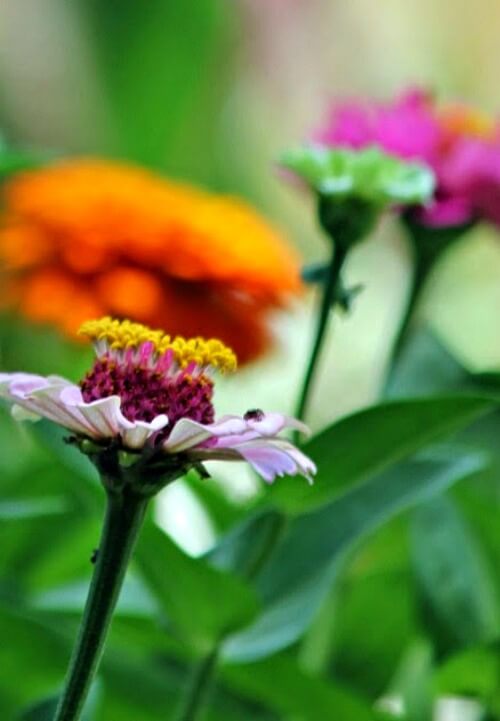
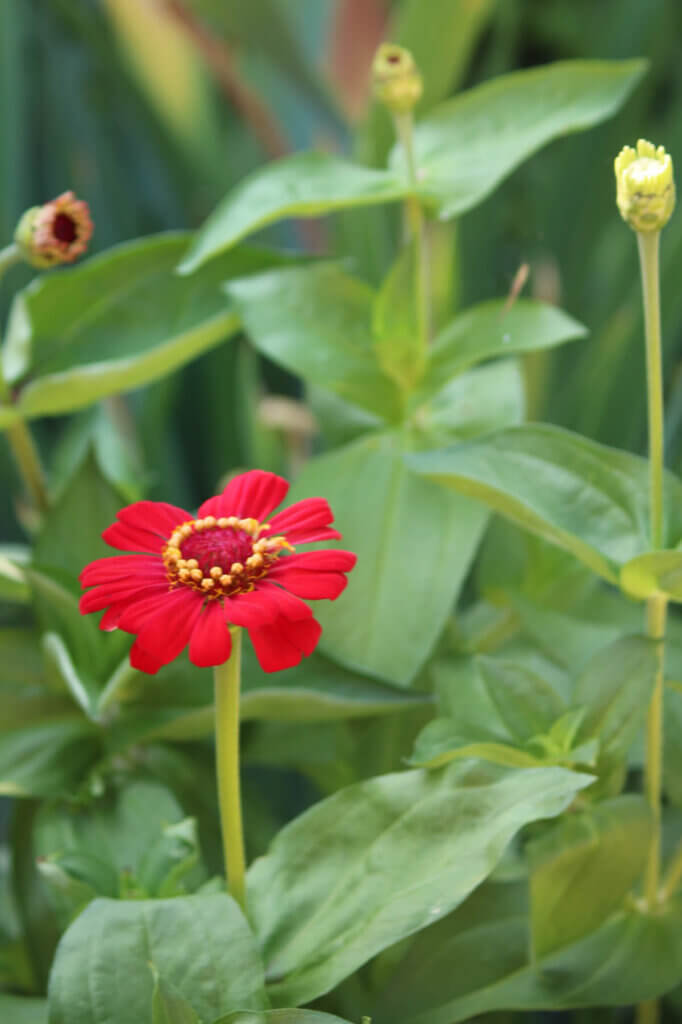
Zinnia Shapes: Zinnias come in a wide variety of flower shapes, including stars, daisies, dahlias, spiders, buttons, domes, and quill-leaf cactus shapes. Within those shapes, there are also singles, semi-doubles, and doubles.
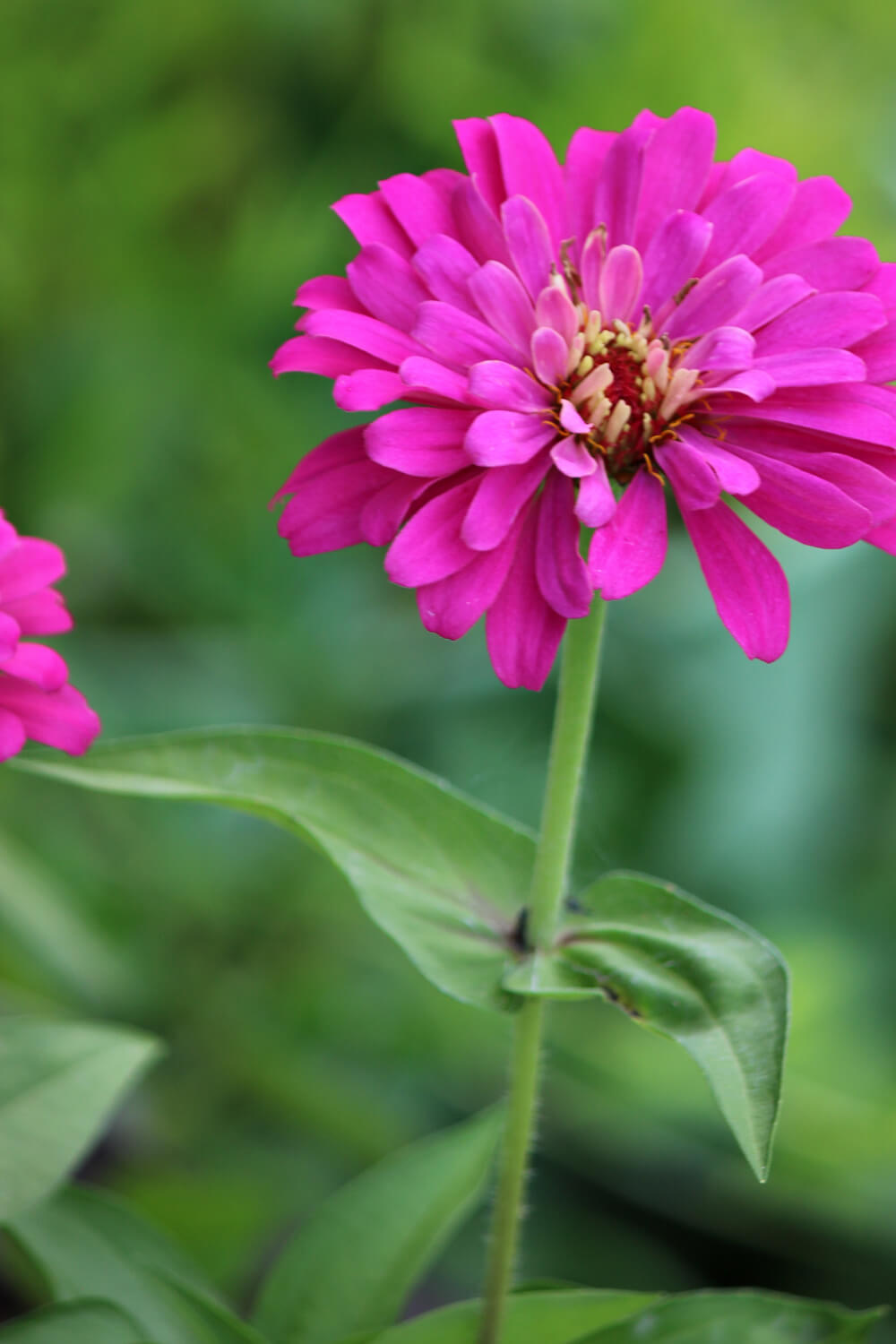
Colors: Flowers bloom in shades of orange, pink, purple, red, white, and yellow. Bi-color and tri-color varieties are also available. Leaves are pale to mid-green.
Exposure: Full sun
How Long Zinnias Bloom: Late spring until first frost, but may show a slowdown in blooming at the peak of heat in summer.
Toxicity: Zinnias are safe to plant around animals because they are non-toxic to dogs, cats, and horses.
Planting Zinnia Seeds
You can plant zinnias any time after the danger of frost has passed in your region. Plant multiple rounds at 2- to 3-week intervals through the end of June for nonstop blooms into fall.
Once the danger of frost has passed, you can scatter the seeds directly into the garden.
Sow seeds ¼-inch deep and follow the spacing directions on the seed package. Cover them lightly with soil, water gently, and then let nature take over.
Give them sunshine and water, and seedlings will pop up in 4 to 7 days. Thin the seedlings to a spacing of 6 to 18 inches (depending on variety). Snip at the soil line with scissors.
(Tip: Pulling out seedlings can disturb the roots of those left behind.) Zinnias grow quickly; you’ll have beautiful, bright blooms in about 60 days.
Caring For Zinnias
One recommendation I read for growing taller varieties for cut flowers is to snip out the center flower when the plants are about 18 inches tall. This encourages plants to branch low, producing much longer stems.
Spent blooms should be deadheaded to encourage and prolong further flowering.
Watering Zinnias
Water regularly, about 1 inch per week. Although they can tolerate dry conditions, they will do much better with consistent soil moisture.
Water at the base of the plant to keep excess moisture away from the foliage. This helps keep your plant healthy and prevents disease.
I find planting and caring for zinnias easier than caring for most other flowering plants, and they bloom prolifically.
Thinning Zinnias
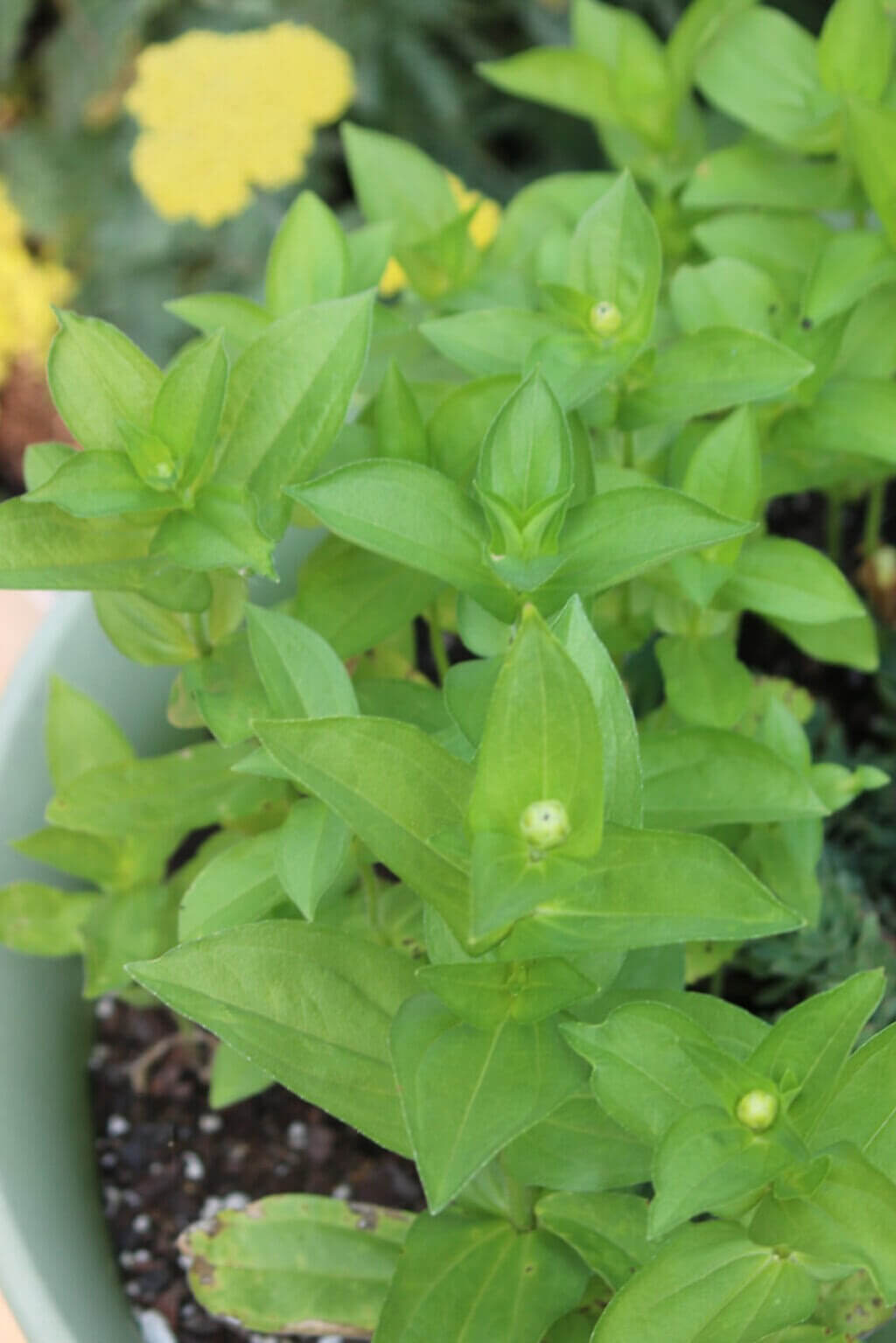
Thinning zinnias is one of the simplest ways to grow healthier, stronger plants with more abundant blooms. While removing young seedlings can feel difficult, giving each plant enough room to grow helps prevent overcrowding and encourages vigorous flowering.
When zinnia seedlings have developed their first set of true leaves and stand a few inches tall, inspect the planting area for clusters of seedlings growing too close together.
Carefully remove the smallest or weakest seedlings, leaving the healthiest. Rather than pulling them out, which can disturb nearby roots, snip unwanted seedlings off at soil level with small scissors.
Most standard zinnia varieties should be spaced about 8 to 18 inches apart, depending on the mature size listed on the seed packet. Dwarf varieties can be planted closer together, while taller varieties benefit from more generous spacing for improved air circulation.
Proper thinning offers several benefits:
- Reduces competition for sunlight, water, and nutrients.
- Improves air circulation, helping prevent fungal diseases such as powdery mildew.
- Encourages stronger stems that are less likely to flop over.
- Produces larger, healthier plants with more flowers throughout the season.
- Makes watering, weeding, and harvesting blooms much easier.
Think of thinning as an investment in your garden’s success. A few well-spaced zinnias will almost always outperform a crowded patch, rewarding you with months of colorful blooms that attract butterflies, bees, and other pollinators.
Saving Zinnia Seeds
Zinnia seeds are easy to save. Let the flowers dry completely on the stem, then remove the seeds by lightly crushing the dried seed head.
Store the seeds in a cool, dry place for planting next spring. However, keep in mind that seeds saved from hybrid plants may not be true to the parent plant.
Bacterial and fungal spots, powdery mildew, and bacterial wilt can be troublesome for zinnias. Keeping the foliage dry and ensuring good air circulation will go a long way toward preventing it.
Pests Attracted to Zinnias
I’ve never used chemicals on my zinnias, and I always have a riot of blooms throughout summer. If you start having insect problems, try natural solutions to keep your garden pest-free and chemical-free.
Zinnias can also host caterpillars, mealybugs, and spider mites. It’s best to remove caterpillars by hand. You can treat mealybugs and spider mites with insecticidal soap.
They are deer-resistant and may even help protect nearby plants.
I think of zinnias as nature’s easy-to-grow workhorse.



I might try again. I once had a meadow. I have been having trouble with them sprouting, but I have the seeds so I will try this method.
Zinnias are my favorite summer flower. I hope to have a small space by next summer so I can plant some. And a few day lilies.