
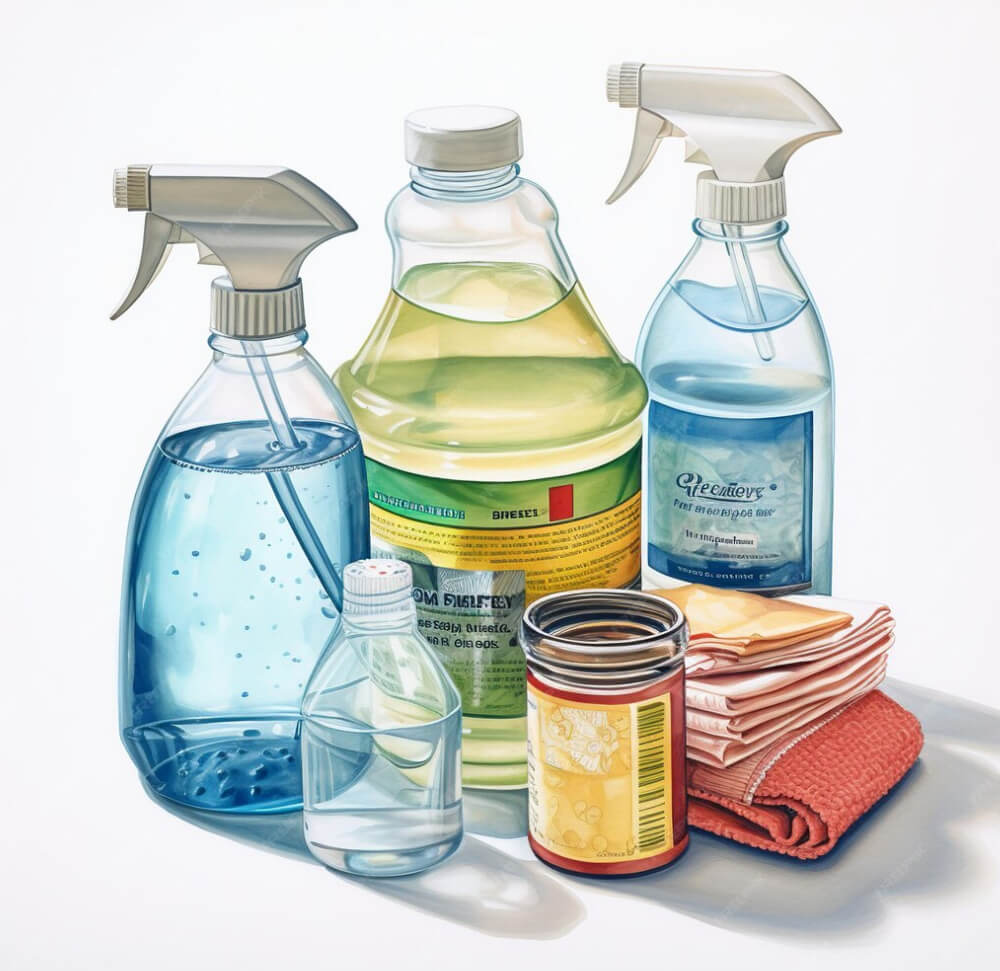
Using Vinegar To Clean Your Home
This post may contain affiliate links. If you purchase through links on my site, I may earn a commission at no cost to you. For more information, please see my disclosure policy.
Did you know that vinegar can be used to clean your home naturally? Yes, vinegar, particularly white distilled vinegar, is an effective cleaning agent for many household tasks due to its acidity.
Vinegar is a cost-effective alternative to buying expensive cleaning products that often contain harsh chemicals.

Vinegar is a natural and affordable cleaner that has been used to clean homes for generations. Its acidity makes it excellent at breaking down grease, grime, and mineral deposits. Distilled white vinegar can clean nearly every surface in your home.
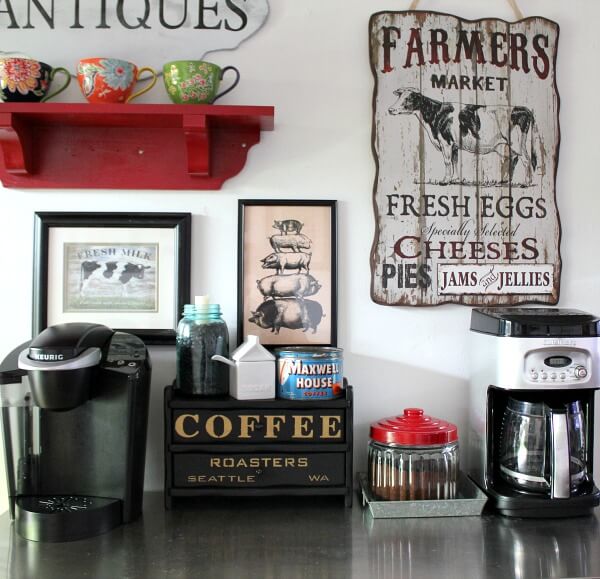
Just the other day, I cleaned my Keurig coffee maker with a mixture of water and white vinegar.
How To Use Vinegar to Clean Your Home:
Vinegar is a mild acid and has many wonderful uses. It can be used as a fabric softener, deodorizer for mildewed towels, and even as a stain remover.
Both white and cider vinegar can be used for cleaning, but white vinegar is generally preferred for its more potent cleaning properties and lack of color.
All-Purpose Cleaner
For an all-purpose cleaner, mix equal parts white vinegar and water in a spray bottle. You can add drops of essential oil if you’d like.
Using Vinegar in Your Kitchen
- Surfaces: Countertops (though avoid natural stone like marble), sinks, cutting boards, and grease stains.
- Fruits and vegetables: Can be used to rinse produce.
- Microwave Cleaner: Heat a bowl of vinegar and water in the microwave for a few minutes. It loosens splatters and deodorizes.
- Coffee Maker Descaler: Run equal parts vinegar and water through a brew cycle to remove buildup, then run water only through the machine to rinse thoroughly.
- Dishwasher Rinse Aid: Add vinegar to the rinse compartment to reduce spots on glassware.
- Cutting Board Refresher: Spray with undiluted vinegar to sanitize after washing.
According to The Spruce Eats, vinegar is not on the EPA’s list of approved disinfectant cleaners for use in the home because it does not kill all types of germs and bacteria. Use an antibacterial cleaner on surfaces that require a germ-free environment.
Using Vinegar in Your Bathroom
Cleaning your bathroom with vinegar is a cost-effective way to maintain cleanliness without relying on store-bought cleaners.
- Fixtures: Showerheads, faucets, and toilets.
- Surfaces Include Tile, certain types of grout, and shower doors.
- Mold and mildew: Can help remove or prevent mold and mildew.
- Shower & Tub Cleaner: Spray on tiles and grout to remove soap scum and mildew. Let it sit, then scrub.
- Toilet Cleaner: Pour in vinegar, let sit for 10–15 minutes, then scrub and flush.
- Mirror & Glass Cleaner: Wipe mirrors with a vinegar-water mix for streak-free shine.
Using Vinegar for Your Laundry Needs
Vinegar softens fabrics, brightens whites, and deodorizes.
Though it may seem like an unexpected ingredient to use in laundry due to its smell, washing your clothes in vinegar is a highly effective way to clean them.
However, not every fabric is suited to a vinegar rinse. Elastic or exercise clothing can be worn down over time, as the acid can break down the elastic.
Limit using vinegar in laundry to every other week. You shouldn’t wash your clothes with vinegar in every load. It should be used as needed. Using too much vinegar over time takes a toll on delicate fabrics.
Using Vinegar To Clean Your Home’s Floors & Surfaces:
Vinegar can be a great natural option for cleaning floors, but it’s essential to dilute it properly and avoid using it on certain surfaces. A standard solution is to mix ½ cup of distilled white vinegar with one gallon of warm water.
For hardwood, ensure the mop is well wrung out to avoid excess moisture. Consider adding a small amount of dish soap with vinegar for extra cleaning power.
- Hard Floor Cleaner: A mix of vinegar and warm water is great for tile, vinyl, and laminate (avoid on stone or hardwood).
- Stain Remover: Works on some carpet stains when combined with baking soda.
- Fabric Softener Alternative: Add 1/2 cup to the rinse cycle to soften clothes and reduce static.
- Odor Remover: Use vinegar in the wash to eliminate musty or smoky odors.
- Brightener: Helps break down detergent residue and brighten whites.
Dilution is key when using vinegar to clean your home’s floors. For some surfaces, such as wood floors or natural stone, use a more diluted solution to prevent surface damage.
Use Vinegar for Pet-Safe Cleaning
Yes, vinegar is safe to use around pets; it’s one of the best pet-safe cleaners to use.
Vinegar can aid in certain aspects of cleaning a litter box. Vinegar’s acidity can help neutralize the alkaline salts in dried urine, but it won’t eliminate the ammonia itself. A better approach for tackling ammonia odor is to use an enzyme cleaner, which breaks down the uric acid in cat urine.
- Pet Accident Clean Up: Neutralizes odors and disinfects without harsh chemicals.
- Litter Box Freshener: Wipe down the empty box with vinegar before adding fresh litter.
What Not to Clean with Vinegar
WARNING
Never mix chlorine bleach or household cleaning products containing chlorine bleach with vinegar, under any circumstances. The combination can create toxic chlorine gas. Avoid using vinegar on natural stone countertops, electronics, and some types of grout.
Vinegar is not recommended for egg spills or pet messes, as the acidity can worsen the situation.
According to the Humane Society of the United States, the use of vinegar on pet messes is not recommended because “strong chemical odors may encourage your pet to reinforce the urine scent mark in that area.” Instead, use an enzyme-based cleaning agent to address pet messes.
Avoid Using Vinegar On:
- Natural stone (marble, granite, limestone)
- Hardwood floors (undiluted)
- Electronics screens (TVs, computer screens, and cell phones)
- Egg spills (vinegar can make the proteins harder to clean)
- Clothes iron
- Rubber gaskets and hoses
- Cast iron
- Waxed or unfinished wood
- Some grout (should not be used on unsealed grout or grout in poor condition).
Using Vinegar in the Garden:
Vinegar, especially when mixed with salt and dish soap, can be a potent natural weed killer in the garden. The acetic acid in vinegar disrupts the cell membranes of weeds, causing them to dry out and die. It’s most effective on young, tender weeds.

- Pest Control: Vinegar can repel certain insects and even kill fruit flies and ants.
- Soil Amendment: A diluted vinegar solution can help release iron into the soil, which is beneficial for plant growth. It can also help inhibit the growth of fungal organisms that cause root rot.
- Seed Germination: Vinegar can be used to break down the hard seed coat of certain seeds, aiding in germination.
- Cleaning Garden Tools: Vinegar can be used to clean and disinfect garden tools, preventing the spread of diseases.
Important Considerations:
- Dilution: When using vinegar for weed control or pest control, it’s important to dilute it with water to avoid damaging other plants.
- Application: For weed control, focus on spraying the leaves of the weeds, avoiding contact with desirable plants.
- Soil pH: Vinegar can alter soil pH, making it more acidic. Be mindful of this when using it in areas with plants that prefer alkaline soil.
Using something as inexpensive as vinegar to clean your home can help you avoid purchasing unnecessary cleaners.



I like to use vinegar too, to spray and wipe down my kitchen table after eating. I’ll also use it in my dish washer and clothes washer, to run empty loads, just to give them a nice thorough cleaning occasionally.
Yep, I use white vinegar for just about all these things listed! It’s a wonderful, non-toxic, low-cost way to clean just about anything.
Why would we buy cleaners when we have good old white vinegar?
White vinegar is great! I use it instead of fabric softener when doing laundry and clean my percolator with it also.
I think it’s amazing that one household staple, probably in many people’s pantries, can clean so many things. And it’s cheap!
I also follow a blogger called Clean Mama. She uses vinegar with vodka in it to clean tough spills. Also, when we had our kitchen remodeled we replaced the old formica countertops with quartzite and was told to never use diluted vinegar to clean them as it would harm the surface in time. I had not heard or seen that info anywhere else but I am not going to chance it.
That’s interesting! Vinegar and vodka. I’ll look up her blog.