
Household Uses For Cinnamon
This post may contain affiliate links. If you purchase through links on my site, I may earn a commission at no cost to you. For more information, please see my disclosure policy.
Cinnamon has many frugal and natural uses for health, household, and gardening. And it smells so good, too!
Cinnamon has been linked to a reduced risk of heart disease, which is the leading cause of death around the globe.
What is Cinnamon?
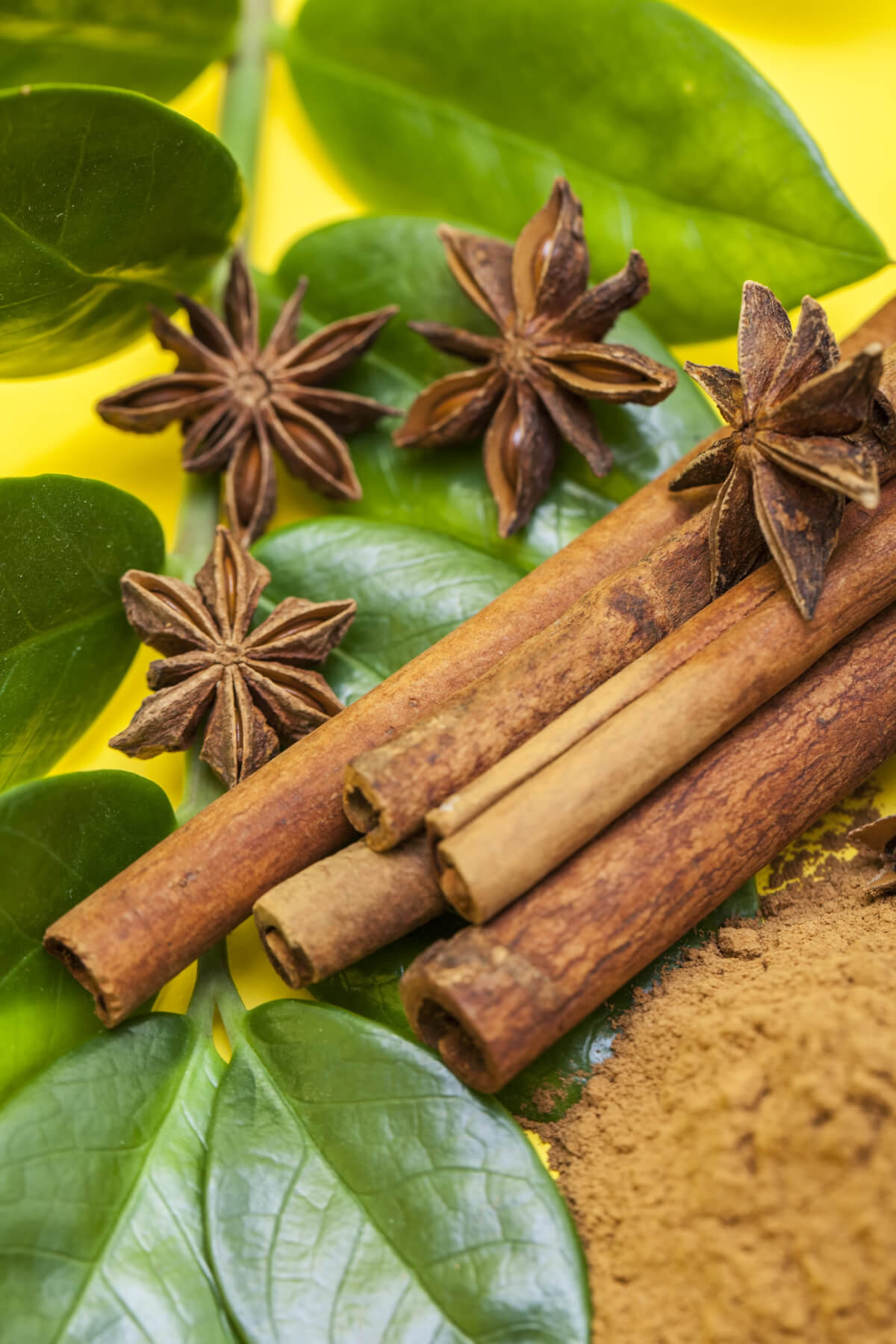
Cinnamon is a spice made from certain types of trees. It is made by cutting the stems of cinnamon trees. The inner bark is then extracted, and the woody parts are removed.

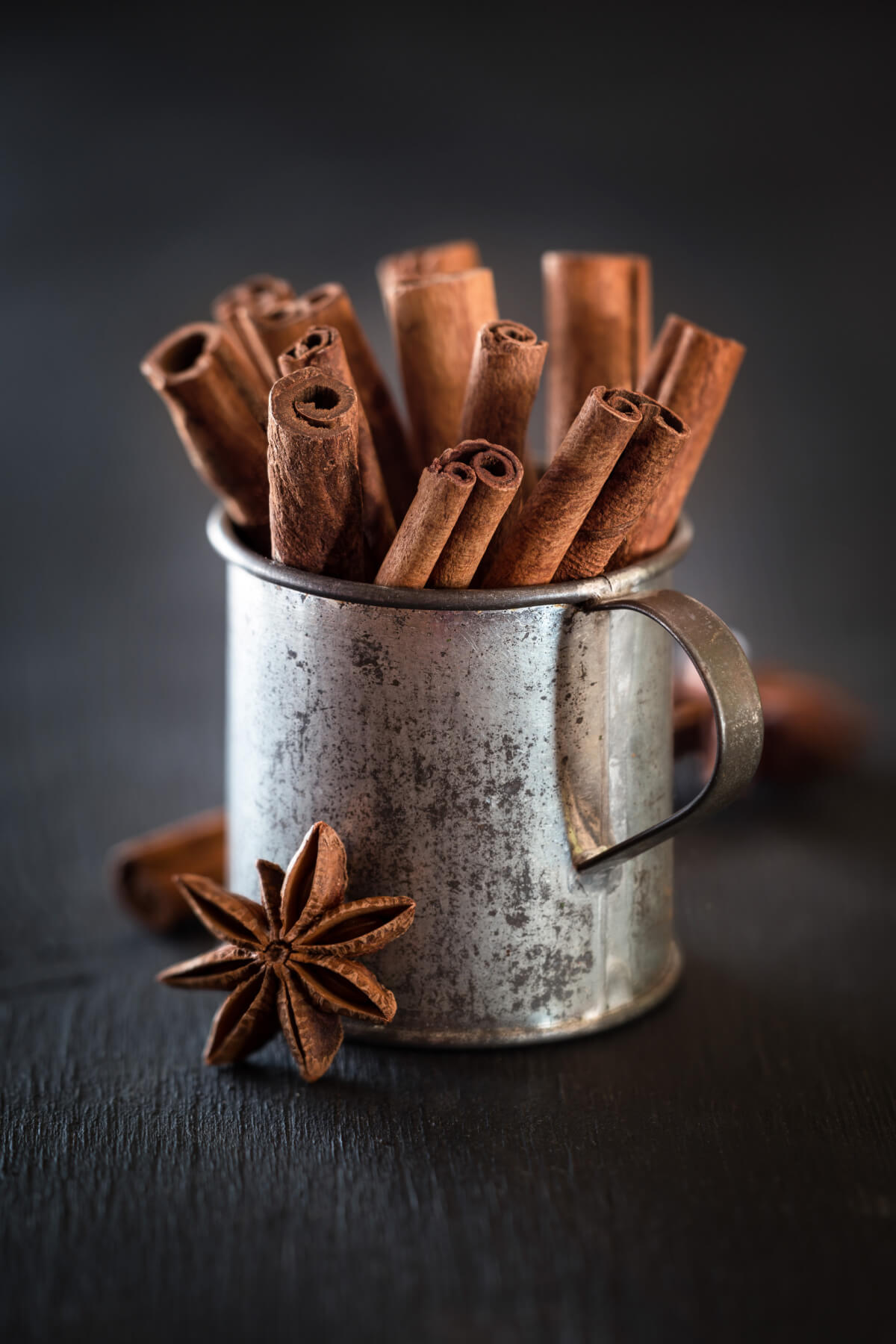
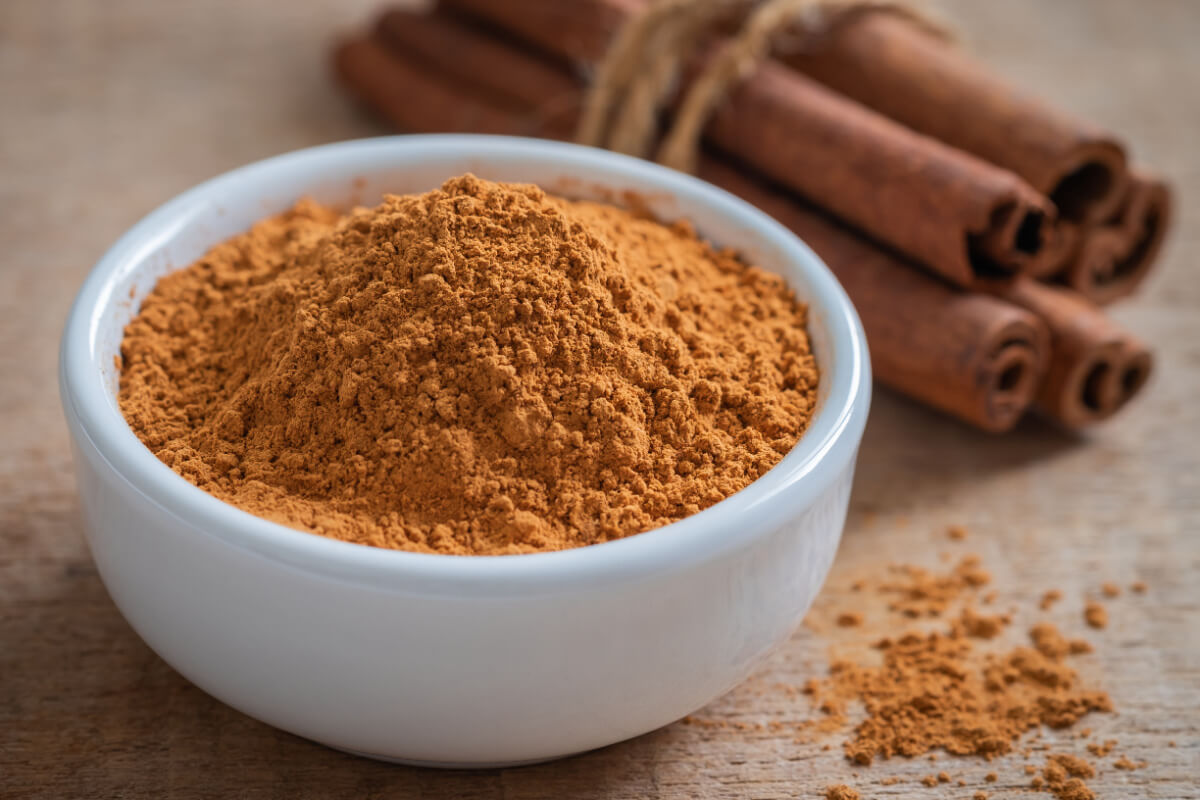
When it dries, it forms strips that curl into rolls, called cinnamon sticks. You can grind these sticks into cinnamon powder. The smell and flavor of cinnamon come from the oil, which is rich in the compound cinnamaldehyde.
I don’t like chemicals and try to avoid using them at all costs. In my garden, I use homemade deterrents to control insects and keep the environment safe.
If you aren’t already using cinnamon in your home, garden, and for your health, read on.
Two Main Types of Cinnamon:
- Ceylon cinnamon: Also known as “true” cinnamon.
- Cassia cinnamon: This is the most common variety today and what people generally call “cinnamon.”
Cinnamon Uses For Your Health:
1. Menstrual aid
Research indicates that cinnamon tea may help reduce menstrual symptoms, including bleeding, pain, nausea, and vomiting.
2. Arthritis pain reducer
Honey and cinnamon have antioxidant and anti-inflammatory properties; they may also help people with arthritis. Research shows that cinnamon slows bone breakdown.
Although cinnamon and honey can help with arthritis, they also carry risks. Honey can cause weight gain because of its calories and sugar. It can also cause a blood sugar spike.
3. Digestive aid
Cinnamon helps break down fats during digestion. A tea-water concoction of a few dashes of cinnamon and a teaspoon of honey, taken half an hour before eating, can soothe your digestive system.

4. Yeast Infection
High blood sugar levels can lead to candida overgrowth. Cinnamon helps lower blood sugar.
Studies have shown that cinnamon has powerful antibacterial and antifungal properties. It’s known to help stop Candida albicans and prevent its spread.
How to Add Cinnamon to Your Diet:
Adding cinnamon to your diet is easy. Here are some simple ways to bring it into your diet:
- Morning breakfast: Sprinkle cinnamon on your yogurt and oatmeal for added flavor.
- Baking: Use cinnamon in your baking recipes, like muffins and bread.
- Smoothies: Add a dash of cinnamon for a kick.
- Coffee and tea: Stir in some cinnamon instead of sugar.
- Savory dish: Try adding cinnamon to curries and stews.
Other Uses for Cinnamon:
Insect Bite Treatment: Apply a mixture of cinnamon and honey to skin irritation to help alleviate pain and itching. The mixture also disinfects the infected area and helps it heal by moisturizing it.
Food Preservative: Add cinnamon to any recipe to help prevent spoilage by delaying bacterial growth.
Light Bulb Diffuser: Put one drop of cinnamon essential oil on a cool light bulb to fill the room with aroma.
Moth repellent: Combine 1/2 cup of whole cloves and 1/2 cup whole black peppercorns with 3-4 broken cinnamon sticks. Fill sachets with 1 tablespoon of this mixture and place in drawers.
Ant repellent: I keep cheap cinnamon around to keep ants at bay. Sprinkle the powder around openings and wherever ants are getting in. In my experience, they turn around and won’t cross the line of cinnamon.
Using Cinnamon Outdoors:
Cinnamon also has uses outdoors.
Ants In The Sandbox
If there are ants in a child’s sandbox, mix a container of cinnamon powder with the sand, mixing well. Ants will avoid the sand.
Rooting Agent
I use cinnamon powder on a cut stem to stimulate root growth. Pour a spoonful onto a paper towel. Moisten the ends of the plant cuttings you want to propagate. Roll the damp stem ends in cinnamon to coat the cuttings.
After this step, you can plant the cinnamon-coated cuttings in potting soil. Once planted, the cinnamon is critical in encouraging new growth in the cuttings.
Deter Mushrooms in Planters
Cinnamon will deter mushrooms. Stir in cinnamon and warm water, then let it steep overnight. Strain the liquid through a coffee filter, then pour the remainder into a spray bottle.
Spray the stems and leaves of affected plants. Mist the plant’s potting soil with the cinnamon solution.
Health Disclaimer:
Note: I am not a medical professional, so I suggest you look up the safe use of cinnamon before ingesting.
Although rare, eating lots of cinnamon could be toxic, especially if you have liver problems. Cinnamon supplements could also interact with some medications. Some people may also be allergic to it.




I love cinnamon and have read about the health benefits of it, too. So good for you! I also don’t use any chemicals in my yard/gardens, so I’m glad to know there are ways to use cinnamon outside, too. Thanks for the tips.
I used to take cinnamon every day mixed with honey.. I do think I felt better when I was taking it and don’t know why I ever stopped.
Thanks for the info, Brenda and the reminder of all the great properties of cinnamon. xo Diana
Do you get earwigs in your garden? If so, does a cinnamon spray help? Last year I had earwigs so bad and I tried everything (natural) and nothing worked. I’m almost tempted to NOT plant much this year because of that problem. They chewed up EVERYTHING so not much left of the plants! I tried vinegar sprays, copper around the base of the plants, brushing them off, putting tins of oil at the bottoms of plants and even a commercial spray (which didn’t work either)! They chewed up all the leaves on my lilac bush too and alot of my raspberry leaves. Also had those little white moths that ate things.
I love to put cinnamon in my coffee too. I’ve seen the “cinnamon challenge” vidoes and wondered why it’s so difficult. Turns out, cinnamon doesn’t dissolve in liquids or in the saliva in your mouth. And I’ve just found out that what we buy as cinnamon isn’t the true cinnamon–but I like it and the smell always has good memories. Thanks for all the good hints.
My mother took cinnamon capsules daily for years to cure her sugar diabetes. It worked!
Thank you so much for this advice. I will be using this information for sure. Sandy
I love the smell and taste of cinnamon. BUT, I did not have any idea how beneficial it was and how many ways it could be used in the home/garden. I keep powdered/ground cinnamon on hand but I am going to buy some cinnamon sticks during my next grocery trip. What a neat post!
I read your blog every day. You always have such good ideas to share. I like the “old fashioned” ideas much better than the new ones. It’s fun and helpful to find all these things especially the ones that I haven’t known and the ones that I’ve forgotten about. Many are “old fashioned” ideas which prove to be the best most of the time. The gardening information is always helpful – I use containers for most of my flowers and vegetables. I was amazed at all the great ideas for cinnamon. There were several that were new to me. I plan to start using them. Your book reviews are helpful, too. I’m looking forward to watching your garden this spring. I’m in Ohio so we are a little bit behind you with planting.
I have read that it’s good for keeping blood sugar in check.
I also knew someone that used the sticks to help with the cravings when quitting smoking.
Turmeric with cumin is also a very good anti inflammatory, I take the capsules daily and have noticed some of my pains and aches have diminished significantly.