Introverts Navigating the Holidays
This post may contain affiliate links. If you purchase through links on my site, I may earn a commission at no cost to you. For more information, please see my disclosure policy.
We live in a world where extroverts are considerably more popular. At ease and relaxed. The life of the party.

Holidays are especially difficult for extroverts. We may not agree to attend the events, but then we don’t want to appear rude either.
An introvert is generally defined as a reserved, introspective individual who recharges their energy through solitude rather than social engagement. Social functions are stressful and sometimes overwhelming.
We need time to recharge after that. Have some downtime alone.
We’re Just Different, Not Less Or Better Than
We introverts are often thought of as stuck-up or impolite. If you aren’t willing to be part of the group, then what are you?
Snooty, uppity, contemptuous of others?
People may think of us that way, but the fact is, we are happy for our friends who happen to be extroverted. It just doesn’t fit our DNA.
We are the flies on the wall, watching and listening but not wishing to mix or join in.
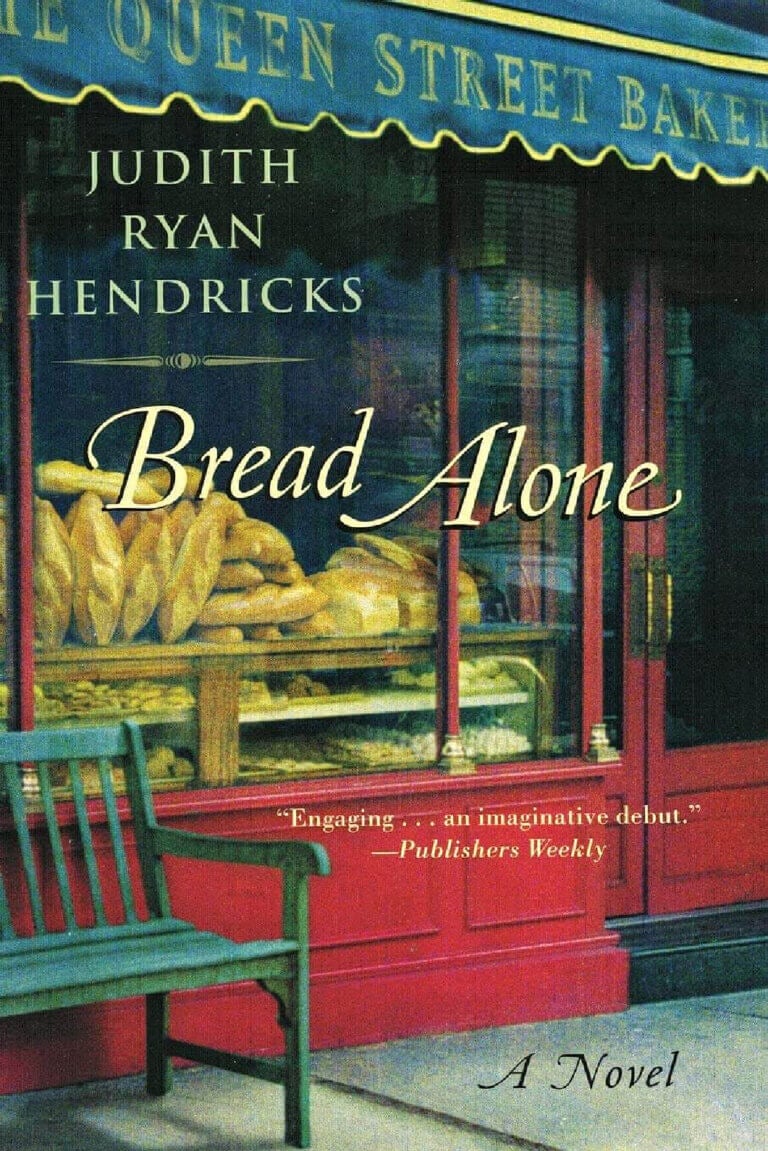
Our favorite activities typically include an audience of one. We read books and enjoy hobbies like crossword puzzles, photography, and all things solo.
Some consider us to be a ” poop-out “ because we cancel at holidays, prefer to stay at home on weekends, and never accept invitations to parties.
Please don’t take it personally if we don’t accept your invitations. It has nothing to do with you.
We’re truly happy for you, partygoers. We just prefer to stay home with our pets. Please don’t judge us for being who we are. It’s simply the way we’re made.
Thinkers, Innovators & Creators
We are thinkers, innovators, and creators. However, we prefer to stay at the periphery and out of the limelight.
Being an introvert doesn’t mean we can’t be successful. Actually, it’s quite the opposite.
Achievement isn’t necessarily connected to our personality or how social we are. We’re quietly mastering the skills we’ve been gifted.
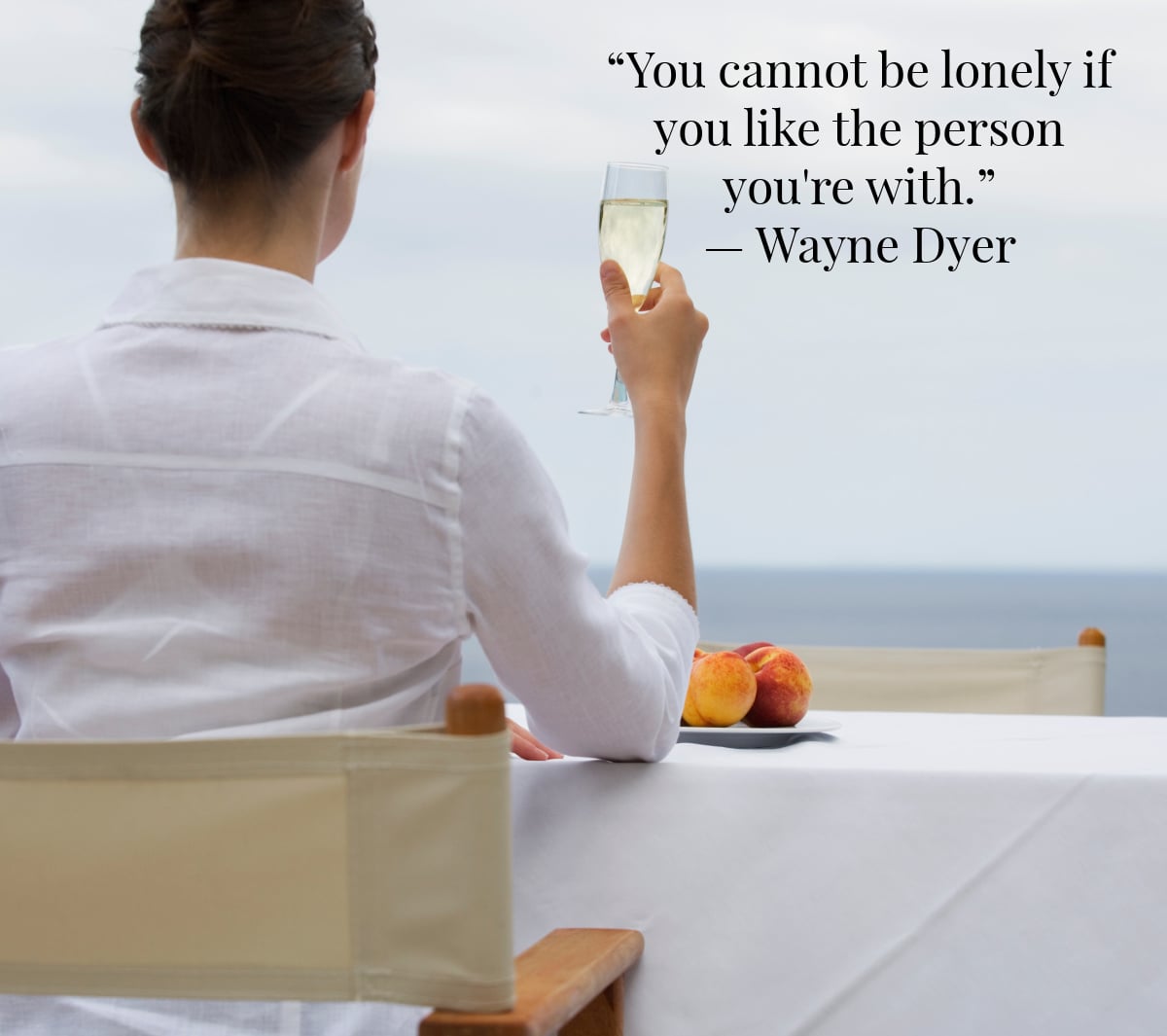
So please allow us to spend the holidays alone without making us feel guilty. Don’t be angry with us if we’d often rather dine alone and read a book.
I know that feeling. I’ve faced it my whole life. Why do I not want to mingle? Am I depressed? Could I be angry with someone in the group?
The answer is none of those things. I just prefer to be alone. I’m simply not comfortable with small talk, loud noise, and all the revelry expected at such occasions.
I am, quite simply, an introverted woman.

What Carl Jung Believed about Introverts
Carl Jung defined introversion as a fundamental psychological orientation. An introvert directs mental energy inward toward subjective thoughts and feelings.
Carl Jung’s foundational ideas on introversion include:
- Internal Energy Flow: Introverts are drained by excessive external stimulation and recharge by spending time alone in their rich inner worlds.
- A Spectrum of Personality: Jung believed that no one is purely one or the other. Everyone possesses both traits, but they generally lean heavily toward one direction.
- Intuition and Depth: He often emphasized that introverts are highly intuitive and attuned to subtle undercurrents, noticing what goes unsaid. He viewed them as deep thinkers who process life internally before responding.
- Societal Clashes: Jung noted that a highly extroverted society can overwhelm introverts, often forcing them to perform or adapt. This can lead to exhaustion and burnout.
Introverts & Managing Holiday Events
Reframe the obligation. You don’t have to attend every event, and you don’t have to stay long if you do decide to show up.
“Show up for an hour” is a legitimate strategy, not a failure to socialize properly. Deciding in advance on a time limit (and maybe an exit line: “I’ve got an early morning tomorrow”) takes the pressure off because you know there’s an endpoint.
Be selective, not avoidant. If you say yes to fewer things, you may actually enjoy them instead of dreading a string of obligations. Pick the 2-3 gatherings that matter most (close family, a couple of friends) and feel fine declining or skipping the rest.
Build in recovery time. Introverts often burn out from back-to-back socializing with no buffer. Space things out where you can, and protect at least one quiet day before or after a big one.
Give yourself a role. Standing around making small talk is draining. Having a task (helping in the kitchen or manning a drink station) gives you something to focus on.
Find your exits within the event. Step outside for air or offer to help with dishes. Small breaks let you recharge without leaving entirely.
Be honest, without over-explaining. You might say: “I’m not really up for a big party this year, but I’d love to grab coffee with you before the holidays.” This is a real alternative that keeps the relationship intact.
Watch for guilt vs. genuine harm. Skipping something because it drains you isn’t selfish.
What Psychology Research Tells Us
Psychology research shows people often overestimate how upset hosts or guests get when you decline an invite.
Here’s an idea: Don’t answer an invitation right away. Give yourself time to think about it before you commit. I can’t count how many times I felt guilty and said yes, then canceled because the anxiety was just too much. That’s worse than simply saying no.
We tend to say yes to everyone but ourselves during the holidays because we don’t want to offend anyone. Being an introverted woman in an extroverted world can be difficult.
We can celebrate the holidays on our own terms. Protecting our time, energy, and peace of mind is a healthy choice, not a flaw.
I’m much happier at home with my kitties, enjoying the little electric fireplace and my solitude. I’ve learned that holidays are for introverts too. We just celebrate them differently.