
Overwintering Houseplants
This post may contain affiliate links. If you purchase through links on my site, I may earn a commission at no cost to you. For more information, please see my disclosure policy.
As temperatures begin to drop, plant lovers often wonder: How can I overwinter houseplants? The answer is simple—bring your houseplants indoors before the first frost and before winter arrives.

Overwintering houseplants is an essential step to keep them thriving year after year. With proper preparation, you can enjoy healthy greenery throughout the colder months. The sight of those green leaves will hopefully keep you going until you can garden outdoors again.
Why You Should Bring Houseplants Indoors Before Winter:
Most houseplants, especially tropical varieties, cannot tolerate frost or freezing temperatures. Once the thermometer dips below 50°F (10°C), your plants are at risk of cold damage.
By bringing plants indoors for winter, you protect their roots, leaves, and stems from harsh weather and ensure they’re ready to flourish again come spring.
When to Start Overwintering Houseplants
The best time to start preparing houseplants for winter is before the first frost. Watch your local weather forecast, and as soon as nighttime temperatures regularly fall into the low 50s, begin transitioning your plants indoors.
How to Prepare Houseplants for Winter

1. Inspect and Clean Your Plants
Before overwintering houseplants, inspect them for pests such as spider mites, aphids, or mealybugs. Wash the leaves with lukewarm water and treat any infestations with insecticidal soap. Cleaning pots and wiping down containers also helps prevent bugs from entering your home.
2. Prune and Repot If Needed
Remove dead or yellowing leaves and trim leggy stems. This encourages healthy growth during the winter months. If your plant is root-bound, repot it into a slightly larger container with fresh soil before bringing it inside.
3. Acclimate Plants Gradually
Plants that have enjoyed bright outdoor light and fresh air may struggle with the lower light indoors. To avoid shock, move them into a shady outdoor spot for a week before bringing them inside to overwinter your houseplants. This helps them adjust more easily.
4. Choose the Right Indoor Spot
Place your plants near bright windows, but away from drafts, radiators, and heating vents. Some plants may benefit from grow lights during the darker winter days.
Winter Houseplant Care Tips
Once your plants are indoors, a few minor adjustments will keep them healthy:
- Light: Provide as much sunlight as possible, or supplement with grow lights to enhance growth.
- Humidity: Indoor heating can dry the air. Use a humidifier or place plants on a pebble tray with water.
- Watering: Overwatering is a common mistake when overwintering houseplants. Always check the soil first.
- Temperature: Keep plants in a stable environment, ideally between 60°F and 75°F.

Keep Your Houseplants Thriving All Winter
Bringing houseplants indoors before winter may take a little extra effort, but it’s the best way to protect your greenery from frost and keep your home filled with life during the colder months.
With proper preparation and care, overwintering houseplants helps ensure they stay healthy, happy, and ready to grow strong when spring returns.
However, before you proceed, you need to do a few things.
I always repot each houseplant in fresh potting soil before bringing it in for winter. You don’t want to bring in bugs that could be clinging to the stems or leaves of your indoor plants.
First, I take a big plastic bag outside. I tip the plant out of the pot. Then I hold each plant over the bag or bin to loosen the old soil.
I run water over the plant and its roots to clear away the old soil. Once this is done and I’ve removed the old soil from the plant, I replant it in new potting soil.
What Are Spiderettes?
My spider plant had about four “pups” or “spiderettes” attached. These are small spider plants growing on a stem separate from the central plant.
You can either discard the spiderettes or save them to grow new spider plants for yourself or others when bringing houseplants in before the winter months.
You can snip the spiderette from the plant and stick it in a glass of water until it forms new roots. Or you can leave the spider pup attached to the parent plant.
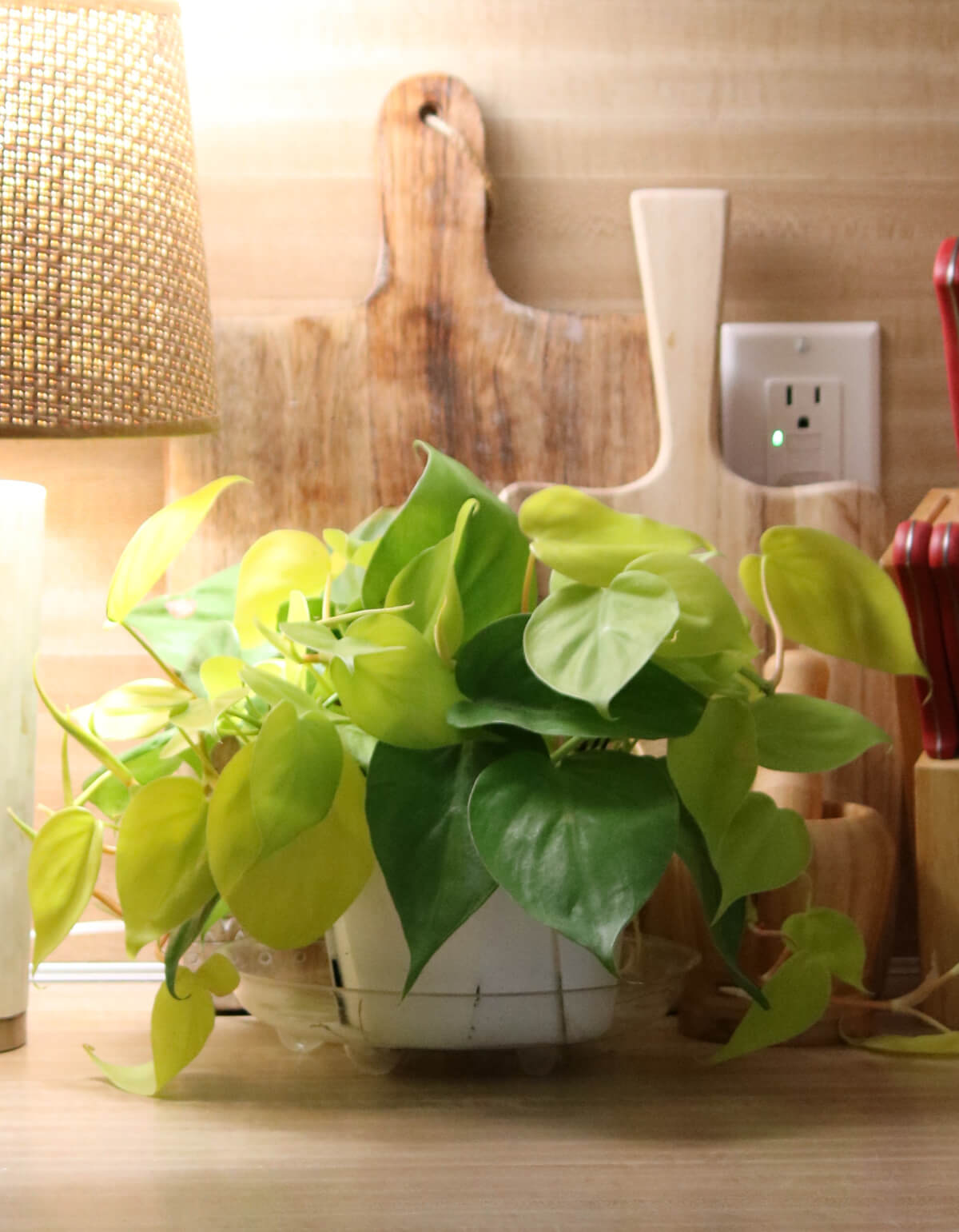
Bury the roots in soil away from the parent plant until they take root. Then you can snip the long stem away from the parent spider plant. Then plant the spiderette in a new pot before bringing the plant indoors for the winter.
Spiderettes can also be planted around the parent spider plant to make it fuller.
Water the babies as needed to keep the soil slightly moist, but never saturated. Healthy new growth indicates the plant has been firmly rooted.
Resume regular plant care when overwintering houseplants.
Repotting Your Plant
Use a new or clean pot to repot your plant before bringing it inside before winter, or thoroughly clean the one it was in with soap and water.
Place fresh, clean gravel, or whatever you use for drainage, in the bottom of the pot over the drainage hole. Then begin adding fresh potting soil to the pot/container.
After adding a few inches of soil to the pot, place your plant in the pot. Then, fill the pot with potting soil around the plant, leaving about an inch from the top of the pot.
Gently tamp down the soil around the plant. Water once the repotting is complete. Water the plant. Then resume regular plant care.
In the winter, we tend to focus our “gardening” attention on our house plants. Below, I’ve listed appropriate care of houseplants in the winter.
During the winter months, the surface of your house plants will dry quickly. But that’s not necessarily a sign that the plant needs water.
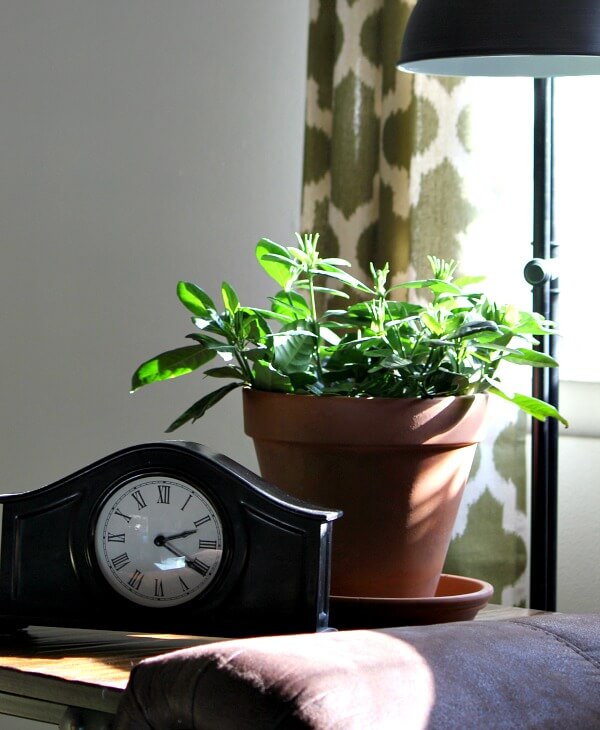
Watering House Plants In Winter
To check, stick your finger into the soil. See if the plant is dry an inch or so below the surface. If it’s dry to that depth, that’s when you water.
Thoroughly water the soil and allow the water to drain completely. If the plant has a saucer, drain any excess water after about an hour; this is an essential part of overwintering houseplants.
Another watering method for plants in pots with drainage holes is to water from the bottom. Fill the plant tray with water and allow the plant to absorb water from the bottom.
Some plants (such as African violets) prefer this watering method because their leaves and stems are sensitive to water.
Also, when watering, use room-temperature water to avoid shocking the plant’s roots.
I don’t like to use tap water to water my plants. Instead, I store water in old milk jugs to allow the chlorine to dissipate for at least 24 hours.
Humidity
Humidity levels drop in heated homes during the winter. It can drop to 10-20%, and plants prefer a level closer to 50%.

If you have a humidifier, move the plants closer to it so they can enjoy the moisture. If you don’t have a humidifier, you will likely need to increase humidity in other ways.
Gather your plants in a cluster because plants naturally release water through their leaves. Therefore, grouping them will make their natural moisture work to their advantage when overwintering houseplants.
If there’s room in the bathroom or kitchen, you could place plants in these rooms. They will benefit from the added moisture level in the winter months.
Another option is to place your plants on a tray of water. Raise the pots’ bottoms above the water level by placing stones in the water (the rocks should be higher than the water level).
And then set your plants on the stones. Don’t let the plants sit in the water!
Temperature
Plants are most comfortable in daytime temperatures between 65 and 75 degrees F. and nighttime temperatures above 50 degrees F.
Keep your plants away from cold drafts and heat sources during winter. Fluctuations in temperature can be just as damaging as prolonged heat or cold.
Keeping House Plants Clean
Winter is a good time to perform some housekeeping on your plants. Removing dust and debris helps keep your plants healthy by washing away unwanted pests during overwintering.
You could give your plant a bubble bath. Ensure the water is tepid, and use a significantly diluted solution of liquid dishwashing soap in water.
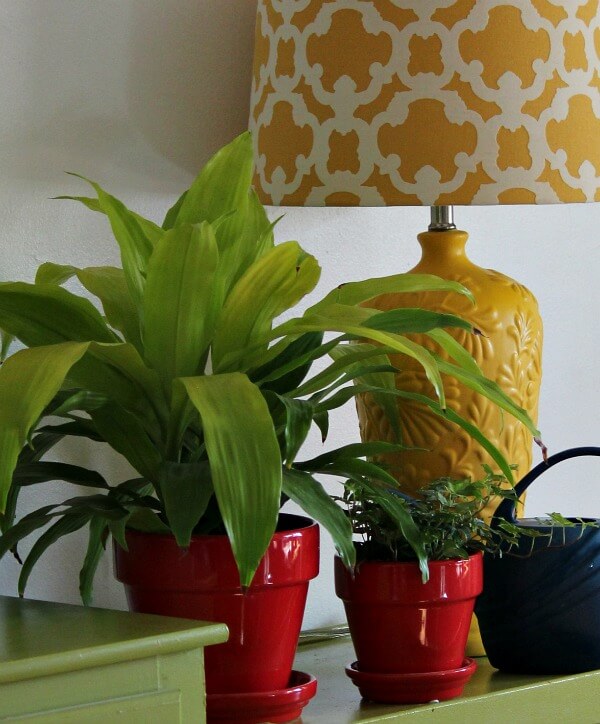
Place the plant in a sink and sponge off the leaves with warm, soapy water. Finish by wiping the leaves once more with clean water.
You can place larger plants in the shower to gently wipe down the leaves in the winter months. Then use the shower head to rinse them.
Allow the plant to drain thoroughly before returning it to its original location.
Plant Placement
There is less sunlight during the winter months. Move your houseplants to a brighter area, or add supplemental light when overwintering.
A good spot for your plants is a south- or west-facing window that receives direct sunlight all day. Just don’t move them too close to a frosty window where there’s a cold draft.
Also, make it a habit to rotate your pots when watering. This allows all sides of the plant to receive sunlight and helps the plant grow evenly during the winter months.
If you take good care of your house plants, you should have years of enjoyment from them.



I wish I had such a green thumb, Brenda. Maybe my plants can sense my lack of confidence, haha. These are good tips for this time of year.
Great tips, Brenda. I have so many plants…probably too many but I just love the way they make a home so cozy. I guess I have to add this to my list of weekend chores…this is going to be a busy, busy weekend!
I love to start the baby 'spiders" in water and then plant in soil. It's fun to watch them grow. I had to put my plants in my "old sewing room" because as soon as I brought them in………kitty teeth were after them.. I put them up high where they can't be reached. I will enjoy the plants in their new space. I hope they will do well over the winter. You have shared some very good tips.
Cooler weather coming to my neck of the woods…………hope the weather is wonderful in your neighborhood.
Am glad you have someone to help with curtain rods, etc. Your curtains will make that area of your kitchen so cozy and warm.
Charlotte
Excellent post! Thank you for sharing your vast knowledge of plants. I always learn so much. Will be taking care of my spider plant this weekend…
This is a great post and very appropriate at this time of year! I'm planning on getting my outdoor pots ready for indoors this coming weekend!!! Thank you for the tips!
I just re-potted several of my indoor plants but there is one outside I need to take care of. Good tips Brenda!
Linda
such a timely post … i'm getting ready to start his process myself … i do all the lovely things you mentioned, clean pots, trimming the roots, new soil, shards or rocks in the bottom of the pot, etc. i also spread a thin layer of aquarium stones in each pot as the very top layer, making it less likely that fungus gnats come out and play, etc. love this time of year, and love having plants returning to the house for the wintering months … a geranium bloom when there's snow on the ground is a fantastical thing!
Very Good Post, Brenda!! Knowing what to do at the change of seasons is certainly only one reason you have such a green thumb. You should teach classes on gardening.