
Purify The Air Naturally
This post may contain affiliate links. If you purchase through links on my site, I may earn a commission at no cost to you. For more information, please see my disclosure policy.
There are ways to purify the air naturally, reducing exposure to unhealthy air in your home. Research shows we spend most of our time indoors, so this is very important.
What Are Sources of Indoor Air Pollution?
Furnishings and building materials can release pollutants into the air, as can smoking, cleaning, or renovating your home. Malfunctioning or unvented appliances can also contribute to indoor air pollution.
That’s why everyone should have a working carbon monoxide detector in their home.
Indoor air pollution can come from many everyday sources inside a home or building. Here are the main categories and examples:

1. Combustion sources (burning fuels indoors):
- Tobacco smoke (cigarettes, cigars, vaping devices)
- Fireplaces, wood stoves, candles, incense
- Gas stoves, ovens, heaters, and furnaces (carbon monoxide, nitrogen dioxide)
2. Building and furnishing materials:
- Paints, varnishes, and finishes (volatile organic compounds, or VOCs)
- Pressed wood products (particle board, plywood, MDF – release formaldehyde)
- Carpets, rugs, and upholstery (chemicals, dust, allergens)
- Asbestos in old insulation, tiles, or roofing materials

3. Household products:
- Cleaning supplies, disinfectants, air fresheners
- Pesticides and insect repellents
- Personal care products (hair sprays, nail polish, perfumes)
4. Biological contaminants:
- Mold and mildew (from dampness or leaks)
- Dust mites, pet dander, pollen
- Bacteria and viruses
- Cockroach droppings
5. Outdoor pollutants that seep indoors:
- Vehicle exhaust (especially near busy roads or garages)
- Industrial emissions
- Radon gas (naturally occurring, seeps in from soil and rock beneath buildings)
6. Poor ventilation and indoor conditions:
- Humidity that encourages mold growth
- Poor air circulation that traps pollutants inside
Indoor air pollution can affect health in both short-term (immediate) and long-term (chronic) ways. Here’s a breakdown by health effects:
Short-term / Immediate effects
- Respiratory irritation – coughing, wheezing, shortness of breath
- Eye, nose, and throat irritation – burning, itching, watery eyes
- Headaches, dizziness, and fatigue – often from VOCs, carbon monoxide, or poor ventilation
- Allergic reactions – sneezing, runny nose, skin rashes from dust, pollen, or pet dander
- Aggravation of asthma – attacks triggered by smoke, mold, or chemical fumes
Long-term / Chronic effects
- Respiratory diseases – chronic bronchitis, reduced lung function, COPD (chronic obstructive pulmonary disease)
- Cardiovascular problems – heart disease, high blood pressure from long-term exposure to combustion pollutants
- Cancer risk – lung cancer from radon, asbestos, secondhand smoke, or formaldehyde
- Neurological issues – memory problems, learning difficulties, or confusion (linked to lead, mercury, and carbon monoxide exposure)
- Developmental effects in children – impaired growth, cognitive delays, asthma, frequent infections
- Immune system weakening – repeated exposure to mold and biological contaminants
The most vulnerable groups are children, the older population, and people with asthma or chronic illnesses. Pollutants can trigger or intensify symptoms.
Natural Ways to Purify the Air in Your Home:

Luckily, there are natural ways to purify the air in your home. The peace lily is a good houseplant for purifying the air. But be aware that it’s toxic to pets.
1. Improve Ventilation
- Open windows and doors regularly to let fresh air circulate.
- Use kitchen and bathroom exhaust fans to remove cooking fumes and moisture.
- Avoid blocking air vents and allow cross-breezes.
2. Control Sources of Pollution
- Avoid smoking indoors.
- Minimize use of candles, incense, and synthetic air fresheners.
- Choose natural cleaning solutions (like vinegar, baking soda, and lemon).
- Store paints, solvents, and chemicals outside living spaces.
3. Reduce Moisture & Mold
- Fix leaks promptly and maintain humidity at 30–50%.
- Use a dehumidifier or natural moisture absorbers (like charcoal or rock salt) in damp areas.
- Clean mold with vinegar or hydrogen peroxide instead of harsh chemicals.
4. Bring in Houseplants To Purify the Air Naturally
Certain plants can help absorb pollutants and improve air quality (though not a substitute for good ventilation):
- Spider Plant
- Peace Lily
- Snake Plant
- Aloe Vera
5. Keep Dust & Allergens Down
- Use a vacuum with a HEPA filter, or a broom and damp mop.
- Wash bedding, curtains, and rugs regularly.
- Declutter to reduce dust buildup.
- Brush and bathe pets to reduce dander.
6. Natural Air Freshening
- Simmer herbs, citrus peels, or spices on the stove.
- Use essential oils (sparingly) in a diffuser.
- Place bowls of baking soda or activated charcoal to absorb odors.
7. Be Mindful of Furnishings
- Choose solid wood rather than particleboard (to avoid formaldehyde).
- Air out new furniture, carpets, or mattresses before bringing them indoors.
Other Ways to Purify The Air Naturally:

Essential Oils:
Essential oils such as eucalyptus, clove, and rosemary have been proven to help reduce dust mite populations in your home.
- Tea Tree Oil: A reputed astringent and antibacterial, Tea Tree can inhibit the growth of harmful bacteria that cause sinus infections. While tea tree oil can improve indoor air quality by reducing certain pollutants, such as bacteria and mold, it’s not a solution for all types of pollution.
- Peppermint: Its strong antiseptic properties disinfect surfaces and remove airborne bacteria while infusing a refreshingly cool aroma into the air you breathe. Diffusing Peppermint Oil cleanses the air, promotes clear breathing, and healthy respiratory functions.
- Lavender: When diffused throughout the home, Lavender Oil’s natural antimicrobial properties can help purify the air and kill airborne bacteria.
- Cinnamon: Cinnamon essential oil purifies the air by eliminating harmful germs.
- Citrus: Orange, lemon, and grapefruit essential oils are antimicrobial and destroy airborne germs due to their high limonene content.
- Eucalyptus: Eucalyptus is a natural and effective way to help clear the air in your home. Its refreshing aroma and antimicrobial properties make it a great addition to your living space.
(Note: I have been informed that tea tree oil is toxic to pets, just so you’re aware of this.)
The air is cleaner in the woods or near a waterfall, for example. This is because nature produces negative ions, which bind to positive ions, making them heavier and causing them to fall to the ground.
Things You Can Do To Reduce Pollution:
Remove your shoes inside to reduce tracking of dirt and debris your shoes pick up outside.
Keep your pets groomed, as pet dander (or your pet’s skin cells) can trigger asthma-like symptoms or exacerbate existing asthma. Clean them regularly and, if possible, brush them outdoors; vacuum floors and furnishings with a HEPA-filtered vacuum.
If you have central air conditioning, you already have a whole-house air filtration system. It pulls air out of your house to cool it and pumps it back in. But change your filters regularly.
Clean With Non-Toxic Chemicals:
Many store-bought household cleaners contain toxic chemicals.
For a greener option, consider making your own household cleaners using ingredients like vinegar, baking soda, citrus juice, or essential oils.
Air Purifiers & Causes of Pollution:
Air purifiers can reduce harmful particles in the air.
Get rid of mold. The fungus releases spores into the air, triggering allergy symptoms. You can often find mold in the bathroom, laundry room, or basement. You don’t need to bleach it away. Here are five ways to kill mold without chemicals.
Air out the new furniture. Volatile organic compounds (VOCs) are chemicals that linger in the air and are present everywhere in our homes. VOCs, such as toluene and benzene, are found in products such as adhesives, paints, fabrics, construction materials, and similar materials.
When you buy a new sofa or armchair, be aware that it will initially emit higher levels of VOCs, which will taper off over time. To reduce indoor air pollution, open windows and doors as much as possible to allow VOCs to escape.
Cooking Oils:
Use cooking oils with higher smoke points. In other words, a cooking oil that smokes at higher temperatures.
Extra-virgin olive oil has a lower smoke point compared to avocado, peanut, safflower, canola, corn, and sunflower oils.

If you prefer the taste of olive oil, try a refined, light olive oil with a smoke point of 486 degrees, compared to 410 degrees for extra-virgin olive oil.
Many houseplants are said to absorb airborne toxins. These are the ten best house plants for purifying the air.
You can visit the ASPCA website to find a list of indoor and outdoor plants that are toxic to pets.
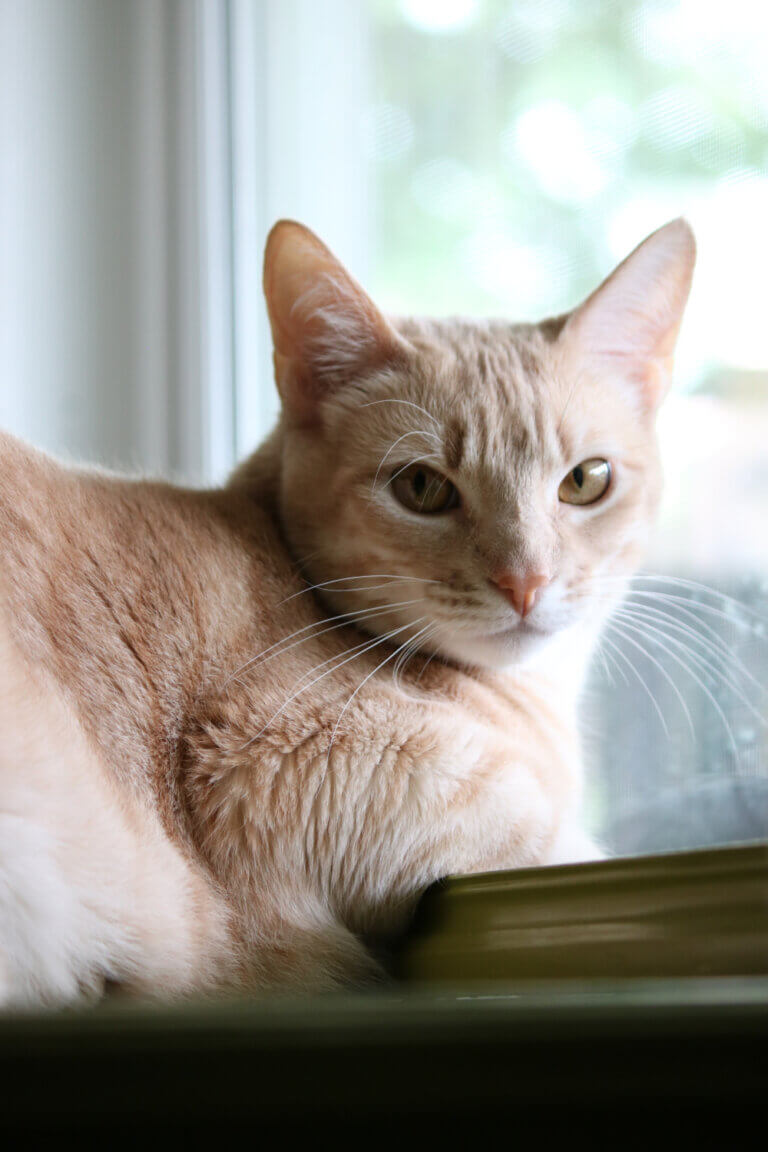



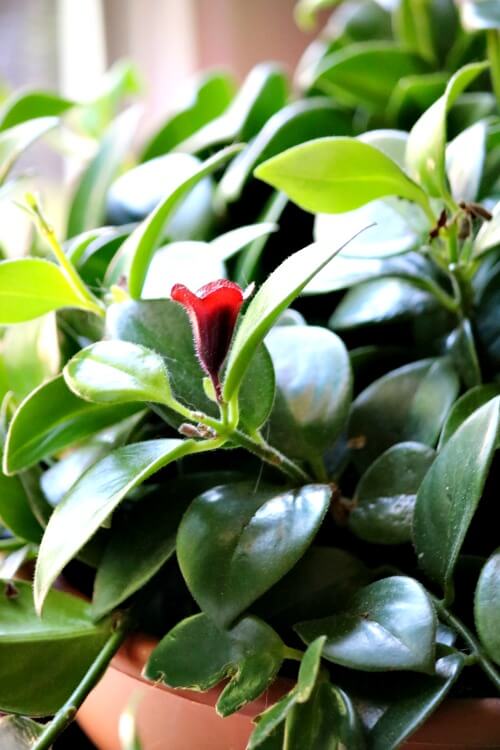

oh i love these plants. I am a plant lover and collector. I have plenty of air purifier plants especially in mybathroom
I’ve seen salt lamps in magazines and have seen people posting photos of them on FB, etc but from the limited amount of research I’ve done on them (I would’ve done more if I were interested in getting one myself), they haven’t been well studied and there’s no proven benefits. Worth a try, I guess.
I stopped burning toxic candles years ago. You not only have to be careful with what kind of wax you’re burning, but the fragrance, too. Most candles are made with toxic (chemical) fragrance oils. You have to get those that use only essential oils. Don’t even get me started on all those commercial sprays and plug-in things!
I make my own general all-purpose cleaner with water, vinegar, a drop of Dawn and lemon essential oil.
Thanks for the great tips, Brenda!
And thank you for your cleaning recipe. I use water and vinegar. But now I will add Dawn and get lemon essential oil if it isn’t in my closet where I have a few essential oils stored. Lemon is so wonderful. As bugs don’t like the scent and so I use it a lot outside with my plants to repel the insects.
This is all so interesting and useful. I learned so many new information and I definitely want to begin using them. I haven’t heard of several of these items but plan to order many of them. I feel like we can benefit from each one of them. Thank you so much for all of this useful information. I look forward to each of your posts and have really learned a lot from each of them.
Warning is out about salt lamps and pets.. Please look online for the recent reports about pet safety and salt lamps. Just search salt lamps and pets, for example. There have been numerous postings regarding a cat in New Zealand on or about July 5th of this year. The cat owner found the cat that was extremely ill one morning and it was taken to vet. Turned out the cat had sodium poisoning from licking the salt lamps. Affected the cat neurologically. Who would have thought?
Brenda, you mentioned the other day that you were watching Safe on Netflix…I just finished The Five on Netflix, and I believe that the two series were written by the same author, Harlan Conan. The Five was very good and quite the mystery. Let me know when you have figured out what has happened those 20 years ago. Regards, Charlotte Hutcheson
Right now I’m watching Seven Seconds.
An electric dehumidifier with Hepa filters (or two) might be your best bet. Fast results too. I have a fairly large house that is long so I have one in every room because they make such a difference. Also run your Swiffer quickly over all the floors because even if you can’t see it quite a bit of hair will build up (dander). I vaccum with a hepa filter 2x per day all over my house to be sure to keep the hair under control…but I have Labs and they are real shedders.
I have one that I keep moving around wherever we are.
I believe that indoor air is more toxic than outdoor air.My windows are open during the night time after 9 pm and I close them up in the morning to hold the cool, fresh air. I clean people’s homes and while I clean I open the windows if only for a few minutes to get that fresh air going. Totally changes the air quality inside. I hate stuffy houses that either recycle the dust and germs through the heater or a/c over and over and nothing fresh is brought in. ?
Tea Tree Oil is toxic to animals. My vet told me don’t use any oil in diffusers to put in the air.
I used to use my diffuser for awhile there. But after Charlie developed the cough, the diffuser has been in the closet shelves unused.
I love the salt lamps and have 2 of them.
Now for your new site features. Where is your lovely picture of yourself? It no longer shows and I really miss it. Please put it back as it makes it feel like we really know and personally appreciate you.
Oh, I forgot to put that photo back. I messed up the HTML for that (because you can’t just put up a photo; that would be too simple) when I was working on my site and that happened and I stopped working for the day and forgot to address it again. I will work on it.
Thanks, you are beautiful.
Thank you for the info about salt lamps. I had no idea what they were for!
Frankly I didn’t either until yesterday when I googled ways to purify the air. Whether it does or not, I’m trying it anyway.
The salt lamps draw liquid from the air, which I learned when I discovered puddles under mine.
Yes, I read that in an article today. Here’s the pertinent info: Salt is hygroscopic, which means it attracts water molecules to itself. Being the big hunk of salt that it is, a Himalayan salt lamp is believed to work by attracting the water molecules. This water vapor can also carry indoor air pollutants like mold, bacteria and allergens. Once the water vapor comes in contact with the salt lamp, the pollutants are believed to remain trapped in the salt. Since the lamp is heated, the salt dries out and is able to continue the cycle of attracting water vapor and pollutants, releasing the water vapor back into the air but holding on to the health-hazardous pollutants.
https://www.aspca.org/news/latest-home-trend-harmful-your-pets-what-you-need-know
I haven’t had my diffuser out since Charlie had trouble with coughing. Simply because it does have scent, and I’m trying to reduce scents around him. So some people think one thing; some think another. Who knows who is right? But I don’t plan to bring mine out.
I’ll be interested to see how you like the salt lamps. They have intrigued me for a few years but I haven’t bought one yet. However, I just read something recently about the possibility of salt poisoning in pets by salt lamps. Some are attracted to the light and warm and then lick the salt. You might want to Google that just to be aware, if you are not already.
Guess I won’t be putting them where Ivy or Charlie can get to them. Thanks for the tip!
I read salt lamps are toxic to cats if they lick them.
I’ll be putting them in sort of the same places I have plants to Ivy hopefully can’t get to them. She hasn’t reached the plants yet.
A “do they really work” article from Healthline: https://www.healthline.com/health/himalayan-salt-lamps
Well, who knows? I’m obviously trying everything I can for Charlie.
My daughter was allergic to mold and I couldn’t have houseplants. 40 African violets, 12 orchids and palms and ferns had to go. Even though I used deactivated charcoal on top of the soil, the doctor said it wasn’t good enough.
Hm. That’s probably because even though charcoal absorbs, it can’t get deep into the plant I suppose.
Thanks Brenda!
This website you found MMN has alot of knowledgeable reads!
Your post today is interesting as well! I’ve been getting rid of sprays with chemicals and using vinegar and baking soda as well. I’ve also been looking for a diffuser and what oils to use. I’ll be watching to see how you like your salt lamp and see if it makes any difference for you. I’m going to get a few plants again too, for inside my house bc I’ve had a few like allergies, so I need to find out why. Something is doing it!
Have a great day and weekend coming up with Charlie and Ivy! ☺
Well, I’m grasping at straws here hoping I can detoxify some of the air Charlie breathes. And Ivy and me too for that matter. He isn’t coughing near as much since the three acupuncture visits and my bringing in plants. But it’s early…
I had an air purifier put in a house I used to live in when I got a new central air unit. I want to tell you that it was the very best money I’ve ever spent. The effect on the quality of the household air was profound.
I don’t know how a portable unit would work but I think it would certainly give it a try.
I don’t have one now because my allergies are not provoked by the air in this climate.
TJMaxx and Marshalls have these most of the time – they plug in.
Oh, didn’t know that. Thanks!
I love those chimes, and you just reminded me I have some tucked away that I must pull out again and hang in front of a window!
Just a warning, tea tree oil is toxic to pets, so it’s something I never, ever diffuse.
As for the salt lamps, I LOVE them – I have one in my hallway that I’ve had for eons, and another in my guest room that was a recent gift from a colleague. I adore the soft glow. Fair warning – they absorb humidity and you will see the salt crumbling off the lamps at times. Hopefully miss Ivy and/or Charlie won’t be licking it up….not sure it would do her any harm but you may want to google that.
Thanks for the advice. I didn’t know this. Guess I won’t be using tea tree oil. People without pets I suppose could use it.
And I won’t be putting the lights where they can get to them. Just like with the plants.
I read an article about a woman whose cat licked her salt lamp and her cat became gravely ill. She only found out when she took her cat to the vet who told her about the high levels of sodium in her cat. The cat had a long road to recovery. Please beware.
Debbie, thanks for the info about the salt lamps absorbing humidity too! I didn’t know that. You and Brenda always have fabulous advice and ideas!
And I thank Debbie for this advice!