
Weatherization Measures to Combat Energy Costs
This post may contain affiliate links. If you purchase through links on my site, I may earn a commission at no cost to you. For more information, please see my disclosure policy.
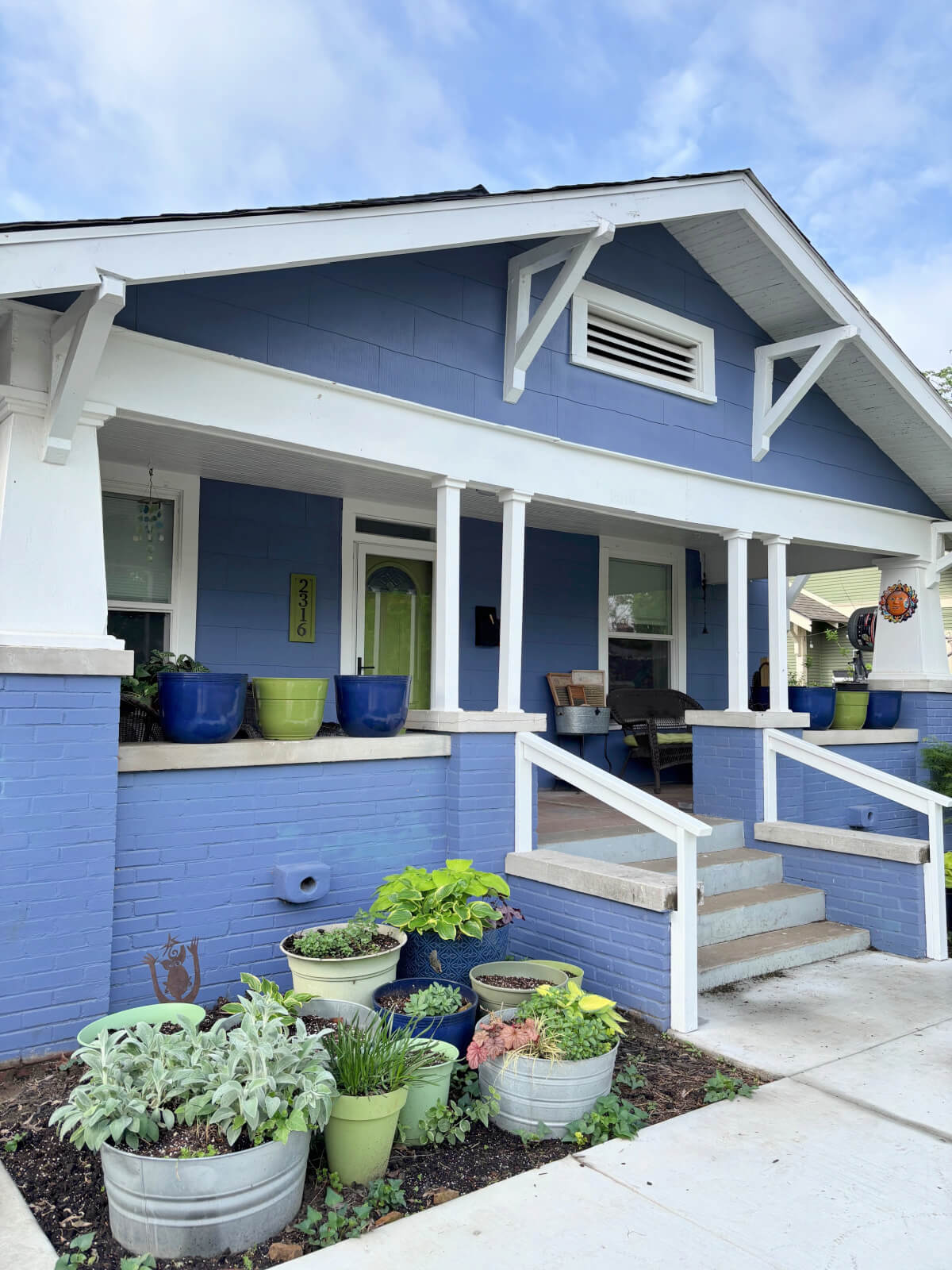
PSO (the Public Service Company of Oklahoma) will provide weatherization measures to help reduce my home’s energy costs.
It is a program through PSO, the electric company where I live in Tulsa.

If you make under a certain income, they will come out, see whether you need energy weatherization, and do the updates. To qualify, the house needs to be 2,200 square feet or less and at least 10 years old, and your income must be under $65,000.
The man they sent out came by, looked over the house, and turned in his findings. Kendra had to sign the documentation as the property owner.
I don’t know exactly how this will pan out, but I’ll let you know once it’s over. The first appointment was canceled because it was so hot, and I was just trying to stay cool.
My electric bill doubled every month for three months. I don’t know if it’s the heat or the data center dilemma, but it’s getting way out of hand. These physical facilities house computer systems, servers, and related equipment to store, process, and share large amounts of data.
My younger daughter, Kasi, has a house in Tulsa and a lake house about an hour and a half away. She just got her electric bill for her Tulsa house, and it is $998.
I’m scared of what my next one will be because I’m making about half of what I made this time last year.
You might check in your area and see if they do weatherization for lower-income households. Here it is free if you fit their criteria.
If you have a landlord, they must sign off on a landlord agreement. The documentation must be signed prior to the appointment for work to be done.
What is Weatherization?
Weatherization is the process of making your home more energy-efficient by keeping warm air inside in winter and hot air outside in summer. Making your home more energy-efficient means you won’t constantly be checking the thermostat and wondering why it isn’t cool inside.
These improvements can help reduce heating and cooling bills, make rooms more comfortable, and prevent drafts that make a home feel chilly or stuffy.
Possible Weatherization Measures
Health & Safety: Check for carbon monoxide on gas combustion appliances. Inspect mechanical closets for a fresh air supply and/or a carbon monoxide detector, if needed.
Attic Insulation: Loose-fill insulation to a level of R-38 or 14 inches.
Air Infiltration: Air sealing measures to reduce outside air entering the home and prevent indoor conditioned air from leaving.
Duct Sealing: Seal the HVAC system to prevent air loss.
Water Measures: Pipe and water heater insulation, low-flow faucet aerators and showerheads.
Workday Activities & Expectations
- All gas appliances will be checked
- The insulation truck will need access to the driveway (they said I have enough insulation in the attic). Only the three back rooms have no wall insulation, and they don’t do that.
- The HVAC system will be turned off while the work is being done (not looking forward to that in this heat)
- Crew may need access to all: vents, rooms, cabinets, sinks, windows, and closets
- Access to attic and crawl space areas
- Employee cannot move large furniture, beds, entertainment centers, large televisions, and computer desks. Please make sure they do not block access for installation or testing
- No use of the fireplace 24 hours prior to the day we are going to do the work
- Third-party representation may contact you to arrange an appointment to verify our work
They also left the EPA Lead-Safe Certified Guide to help you renovate your home properly while following their guidelines. Inside, it says this pamphlet is for you if you live in a home built before 1978.
What You Can Do to Weatherize Your Home
Drafty windows and doors allow heated or cooled air to escape, forcing your heating and air-conditioning systems to work harder.
1. Seal windows and doors
- Apply weatherstripping around movable doors and windows to close small gaps.
- Use door sweeps along the bottom of exterior doors to block drafts.
- Caulk stationary gaps around window frames and exterior trim.
- Install window insulation film during cold weather to create an additional barrier against heat loss.
- Use heavy curtains to help reduce heat loss through windows in winter and block strong sunlight in summer.
Even small gaps can add up throughout a home. Sealing them is often one of the easiest places to begin.
2. Add insulation where it’s needed
Insulation slows heat movement through ceilings, walls, floors, and other parts of the house. Without enough insulation, your home may lose warmth in winter and gain unwanted heat in summer.
Consider these areas:
- Attic insulation: Often a high-priority improvement because heat can escape through an inadequately insulated attic.
- Wall insulation: Older homes may have little or no insulation in their walls.
- Floor insulation: Insulation beneath floors above crawl spaces or unheated areas can improve comfort.
- Basement and crawl-space insulation: Appropriate insulation and air sealing can help reduce temperature fluctuations.
The right insulation depends on your home’s construction and climate. Before adding insulation, address moisture problems and seal appropriate air leaks. Keep insulation away from heat-producing equipment and follow required clearances.
3. Maintain your heating and cooling system
Your HVAC system uses energy to keep your home comfortable. Regular maintenance can help it operate efficiently.
- Replace or clean air filters as the manufacturer recommends.
- Keep supply vents and return-air grilles clear of furniture and rugs.
- Have your heating and cooling equipment inspected when needed.
- Seal accessible duct leaks, particularly in attics or crawl spaces.
- Consider a programmable or smart thermostat to reduce unnecessary heating and cooling when you’re asleep or away.
A well-maintained system paired with a properly sealed home can help prevent wasted energy.
4. Reduce hot and cold air leaks around the house
Air leaks aren’t limited to windows and doors. Air can also move through gaps around plumbing pipes, electrical penetrations, attic hatches, recessed fixtures, and utility openings.
Look for places where outdoor air may be entering or indoor air may be escaping.
A few useful improvements include:
- Adding a fitted cover or weatherstripping to an attic access hatch.
- Sealing suitable gaps around plumbing penetrations.
- Using compatible caulk or foam products around appropriate openings.
- Sealing ductwork with approved duct mastic or foil tape designed for ducts.
Safety note: Never seal combustion-air openings, block ventilation required for fuel-burning appliances, or cover exhaust vents. Air sealing should be performed carefully to avoid carbon monoxide and moisture problems.
5. Improve window coverings and manage sunlight
You don’t necessarily have to replace your windows to make a room more comfortable.
Simple window treatments can help manage heat moving through the glass.
In winter, open curtains on sunny windows during the day to take advantage of natural warmth. Close them after sunset to reduce heat loss. In summer, close blinds or curtains on windows receiving strong direct sunlight, especially during the hottest part of the day.
Thermal curtains, cellular shades, and well-fitted blinds can offer additional insulation benefits. Exterior shading, such as awnings, can be particularly useful for windows that receive intense summer sun.
6. Seal and insulate water-heating pipes
Insulating accessible hot-water pipes can help reduce heat loss as water travels from the water heater to faucets. This can help hot water reach the tap with less wasted heat.
Other useful measures include:
- Insulating an accessible hot-water tank if the manufacturer recommends it.
- Setting the water heater to an appropriate temperature, commonly 120°F for many households.
- Repairing dripping hot-water faucets.
- Installing efficient showerheads and faucet aerators where appropriate.
Always follow the water heater manufacturer’s safety guidance, particularly around flues and other hot components.
7. Address moisture and ventilation
Weatherization isn’t simply about making a house airtight. A healthy home also needs appropriate ventilation and moisture control.
Repair roof leaks, address damp basements, maintain bathroom exhaust fans, and use kitchen ventilation when cooking. In humid climates, controlling indoor humidity matters most because excess moisture can contribute to mold and damage.
If your home has persistent condensation, musty odors, or moisture problems, investigate those issues before adding insulation or sealing large areas.
Which Weatherization Improvements Should You Do First?
Here’s a practical way to prioritize projects based on cost and potential benefits.
| Improvement | Typical cost level | Main benefit |
|---|---|---|
| Replace HVAC filters | Low | Supports efficient airflow |
| Weatherstrip doors | Low | Reduces drafts |
| Caulk suitable gaps | Low | Limits air leakage |
| Install window film | Low | Adds a seasonal insulating layer |
| Use insulating curtains | Low to moderate | Helps manage heat through windows |
| Seal duct leaks | Low to moderate | Reduces conditioned-air losses |
| Add attic insulation | Moderate to high | Reduces heat transfer through the ceiling |
| Upgrade old windows | High | May improve comfort and energy efficiency |
Actual costs vary by home size, materials, labor, and local conditions. Air sealing and attic insulation are often worthwhile places to investigate before committing to costly window replacements.
Can You Get Help Paying for Weatherization?
Some households may qualify for assistance with energy-saving home improvements.
In the United States, the federal Weatherization Assistance Program helps eligible low-income households reduce energy costs through energy-efficiency improvements.
Depending on the home and local program, services may include insulation, air sealing, and heating-system improvements.
You can learn more through the U.S. Department of Energy’s official website: Weatherization Assistance Program.
You can also contact your local utility to ask about home energy audits, rebates, insulation incentives, and energy-efficiency programs.
A Few Small Changes Can Make a Difference
Weatherizing a home is an investment in comfort and energy savings. You might begin by sealing a drafty door, adding insulation film to an old window, or replacing a worn weatherstrip.
Over time, these modest improvements can help create a home that stays warmer in winter, cooler in summer, and less expensive to operate.
The most effective approach is to identify where your home loses the most energy, make improvements in a sensible order, and watch the results on your utility bills. You don’t have to do everything at once to begin making your home more comfortable and energy-efficient.




It’s a refreshing reminder that small home improvements can make a meaningful difference, leaving more room in the budget for everyday things, even something as simple as free games.
I’m so sorry they didn’t show up. That’s so rude and unprofessional of them, especially if they didn’t call you to let you know and reschedule. I hope they make it out there. I can’t believe Kasi’s electric bill was so high! I’d have a heart attack if I got a bill that high! IF they do show up, you’ll be glad you got all that done and hopefully your bills will reflect that.
My new electric bill is $321.54.
We have our electric bill on a monthly basis…equal payments. The AC runs 24 hours a day when it hits 90 plus degrees. Our equal monthly bill is $80.00 per month. I just notice that I have overpaid and now have a $180.00 credit. Our natural gas, for furnace and hot water tank is also just over $80.00 per month, but furnace rarely used from June to October, so will have an overpayment and monthly $ will go down.
$988 for an electric bill…was this just one month?! Sheesh, we have three people living in our home, we run the central AC and our electric bill in the summer is about $150!
Yes, for just one month. I think it has something to do with the 32 data centers already operating in Tulsa. More being built.
As a renter you make under 65000 But the owner can make more and still get this done?
I guess so. I don’t know how much my daughter makes.
The electric bills this Summer have been terrible. 1000$ a month is just ridiculous. I’m afraid of what the Winter will bring! I have a gas fireplace which helps but the electric is still just impossible. Now with more stupid tariffs things are going to get even worse. I’m starting to wonder if things are ever going to get better! Smart to have that free service done! Good Luck.
Unfortunately, they didn’t show up to do the weatherization. Will have to reschedule.
Sure hope this will help!! Ours has doubled this year, tho our daughter moved in so that is part of it…but still…I think they have really upped the cost here too. Your daughter’s bill is incredibly terrible!! The greed in this country is beyond all imagination!! I did call the electric company the other day to see what was going on. Being in apts, there is not a lot we can do…but we will see. So will be glad to hear what all they do for you there!!
I’m a little upset with how this place is so disorganized. They made the appointment and then didn’t show up.
Well, howdy doody…whatever reason for not calling you? Oh, all the cell phones quit working at the same time all the email did too?? When on earth has it been easier, quicker and more convenient to communicate than it is now??? So sorry…they think no one matters I suppose…times today are not like it used to be…
Smart of you to have this done. The bills are unbelievable every month.