
Learning To Garden
This post may contain affiliate links. If you purchase through links on my site, I may earn a commission at no cost to you. For more information, please see my disclosure policy.
I think learning to garden was in my genes from the get-go.
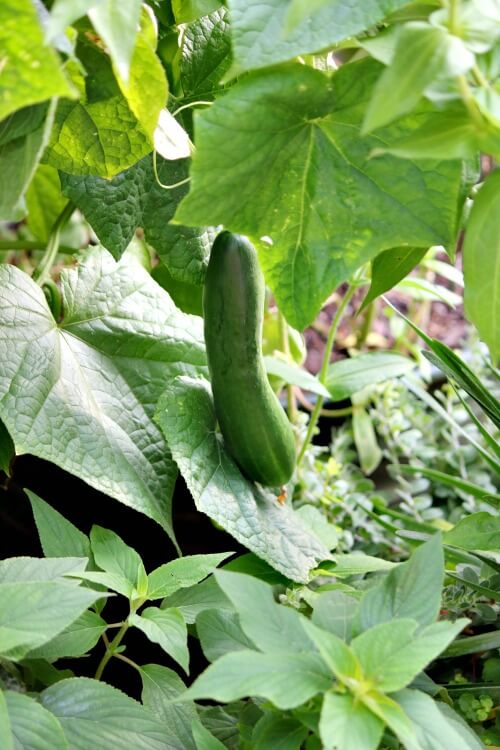
During my childhood, I watched my grandmothers handle maintenance on a big garden. We always had fresh veggies on the table in the summer. There were usually sliced tomatoes, cucumbers, and onions arranged on a plate at mealtime.

Learning To Garden:
By trial and error, I learned to garden. I read gardening books that helped me, and I relied on my instincts.
Maybe it was also muscle memory from my childhood of spending days in the garden.
If you love something, you will likely be pretty good at it because you will try harder. That is what I’ve always thought, anyway.

Many garden spaces have fertile soil. But other gardens need new topsoil. This will get a garden off to a good start.
Some may need to aerate the soil if it’s too hard, as plants will not thrive otherwise. Soil aeration is the process of puncturing holes in the ground to allow air, water, and nutrients to enter more easily.
There are also garden spaces that need to be prepared for different types of plants. You wouldn’t want to put shade plants in direct sun, for instance.
Gardening In Containers:
Personally, I like to garden in containers. There is less back pain involved, and it is easier to choose the soil that best fits the plant. That’s harder to do for plants that are planted in the ground.
I plant most of my garden in containers. If a plant isn’t doing well, I can easily move it.
Consider using plant caddies on rollers to make moving your container plants around easier.


What To Plant:
Perhaps you’re interested in growing vegetables, but only certain types will thrive in your climate.
So you might need to amend the soil. This is pretty easy to do when you plant your garden in containers. Adding compost or another type of organic material is often the easiest way to amend soil.
In some cases, an annual application of compost might eliminate the need for other amendments. Plant-based composts are lower in salts than those containing decomposed animal manure.
Choosing Plants:
Perennials come back year after year if they can survive the first few winters. Will harsh weather in cold climates kill new plants? Yes, often that happens. You might want to think about that before you plant them.
When I plant a perennial, and it doesn’t come back in the spring, I’m sad to lose it. But I know that gardening is composed of experimentation,
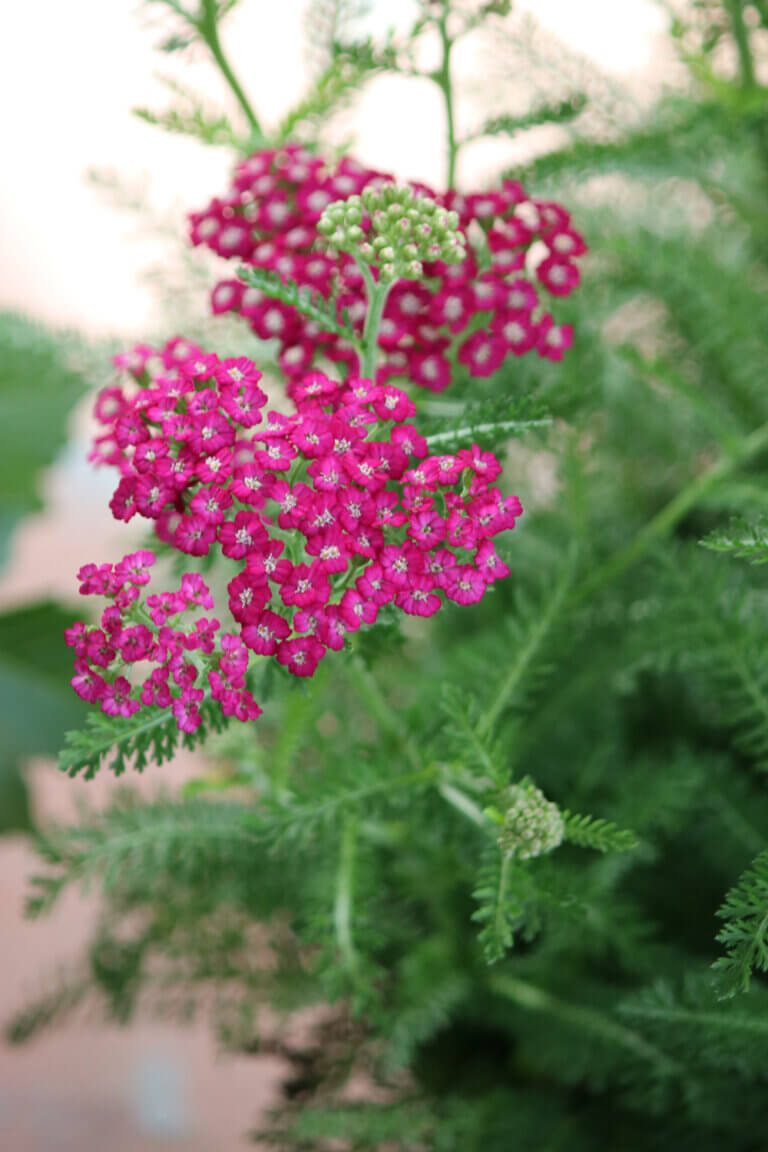
I plant annuals around the end of April to fill gaps where the perennials have died back. Some plants will die during the winter, but that’s where annuals come in to bring blooms and color.
Do you want to plant flowers in various colors, or follow a color palette you’ve already chosen? This is up to you.
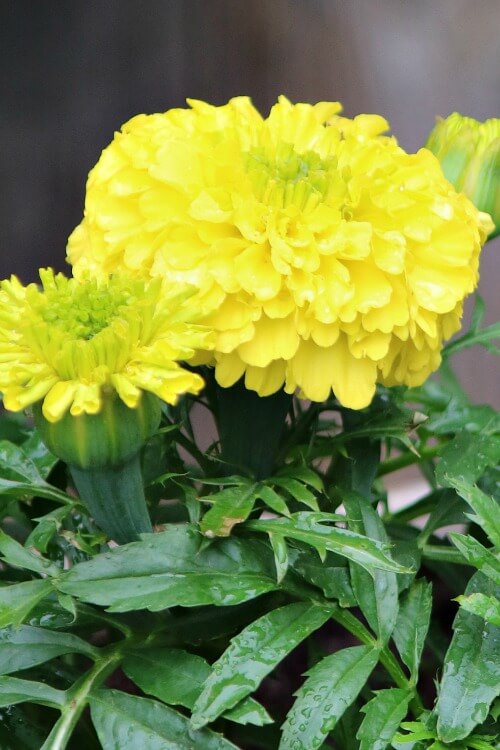
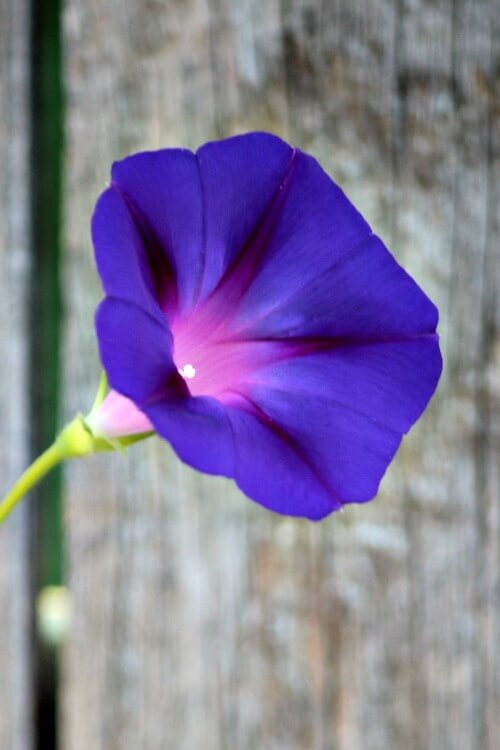
I typically choose flowers in purple, yellow, and white. Sometimes I add pink or red for a little variety.

When To Plant:
It all depends on where you live. You can check the Old Farmer’s Almanac online. This site will help you choose plants and tell you when to plant them. I remember the paper version of the Almanac being around our house when I was a kid.
For more on plant hardiness zones and a detailed look at the map, you can visit the USDA’s Plant Hardiness page. To find the Plant Hardiness Zone at your location quickly, enter your zip code in the Quick Zip Code search box.
The USDA Plant Hardiness Zone Map is the standard for gardeners. It is how they determine which perennial plants are most likely to thrive at a location. The map is based on the average annual extreme minimum winter temperature,
When you’re ready to plant a garden, but you’re unsure where to start, remember that there are many ways to learn gardening techniques. There are so many gardening books and online gardening sites for you to explore.
Or check out YouTube for garden advice and design. Just plant something and see how it does. If it survives and thrives, you’ll know you’ve done something correctly.


I need to learn more. I garden by trial and error, and it can get costly.
Thanks for hosting Brenda! I never thought of putting chocolate chips in a pineapple cake, yum!
Sherry
Good advice. Wish I would have thought to take a horticulture course during my gardening days. A lot of mistakes could have been prevented!
Brenda, I have learned a lot about gardening through trial and error… As many have . I like to read seed catalogs , they give lots of info for shade or sun plantings. I know you love gardening, I hope if you move you have a spot to do a bit of planting. xoxo,Susie