
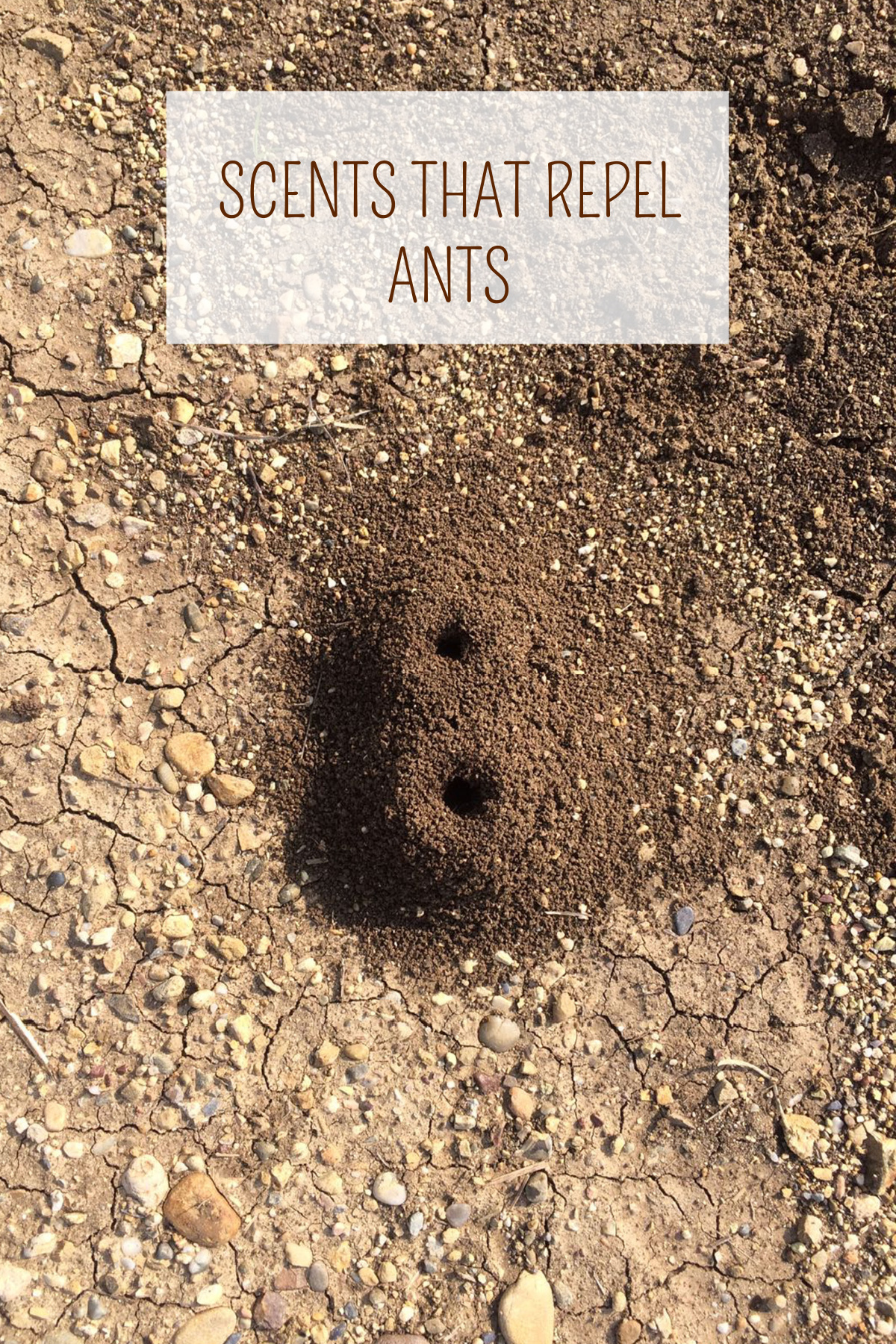
Strong Scents That Repel Ants
This post may contain affiliate links. If you purchase through links on my site, I may earn a commission at no cost to you. For more information, please see my disclosure policy.
Strong scents, such as lemon-scented plants, can repel ants and other insects.
Strong scents will certainly repel ants. These scents won’t kill them, but will cause them to avoid these areas.

It’s almost picnic season, and we spend a lot of time outside grilling food, so we want to send ants packing.
I don’t like using chemicals, so I rely on these non-toxic smells to disrupt their navigation and olfactory receptors. I’ve always grown herbs and used them for more than just flavoring food.
How Do Strong Scents Repel Ants?
Strong scents repel ants by masking their chemical communication. This is achieved by:
- Blocking their signals: Ants leave invisible chemical marks called pheromones to show others where food is.
- Causing confusion: Powerful aromas confuse their path to food sources.
- Physical irritation: Some concentrated oils and pungent liquids irritate or damage the sensitive receptors ants use to smell and breathe, forcing the insects to turn back.
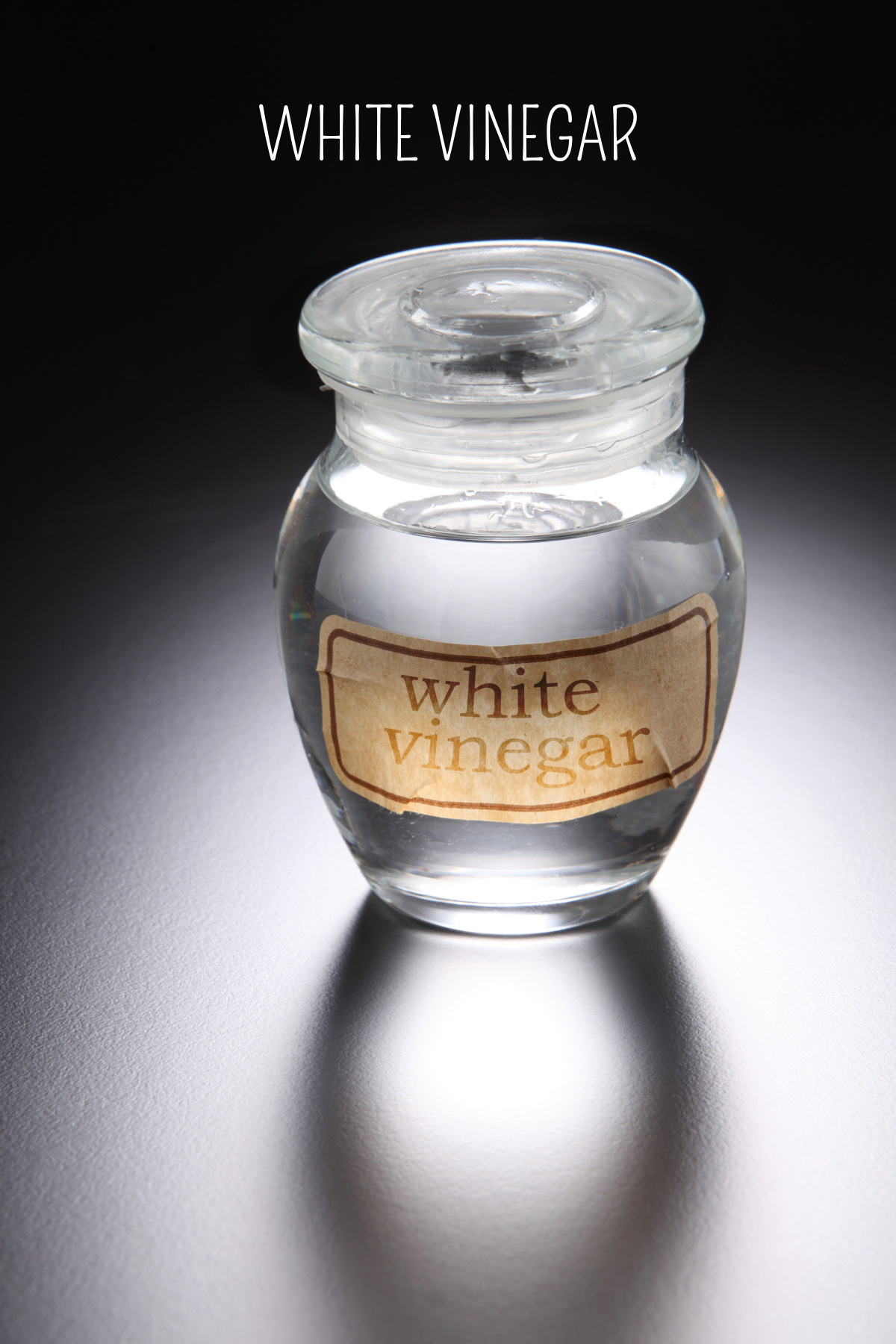
Strong scents repel ants by masking their pheromone trails. These scents include white vinegar, peppermint, cinnamon, citrus (lemon/orange), cayenne pepper, bay leaves, garlic, and coffee grounds.
Essential oils such as tea tree, eucalyptus, and lavender also serve as effective, non-toxic deterrents. These smells disrupt their navigation and olfactory receptors.
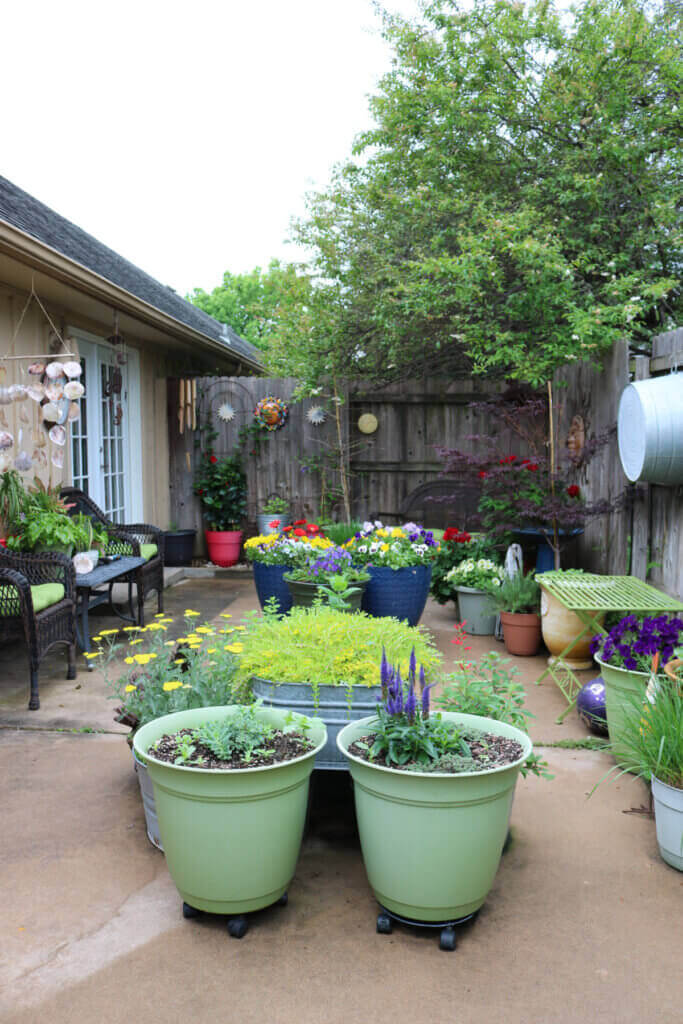
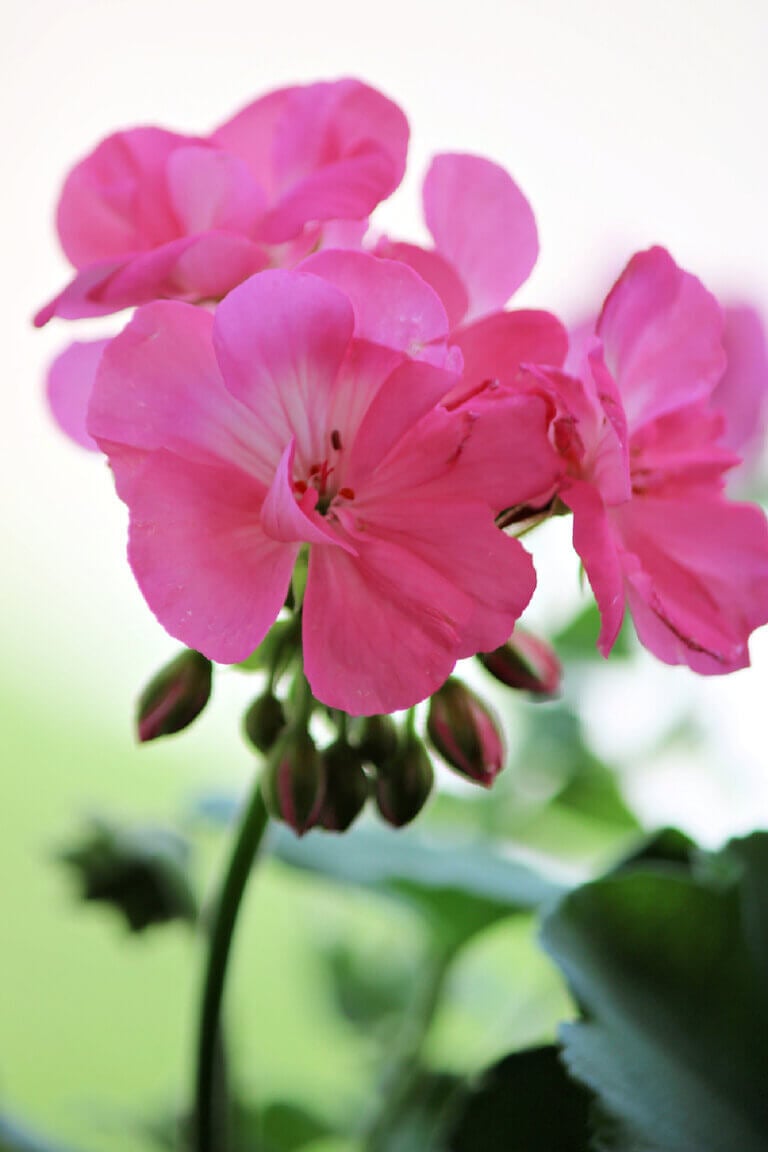
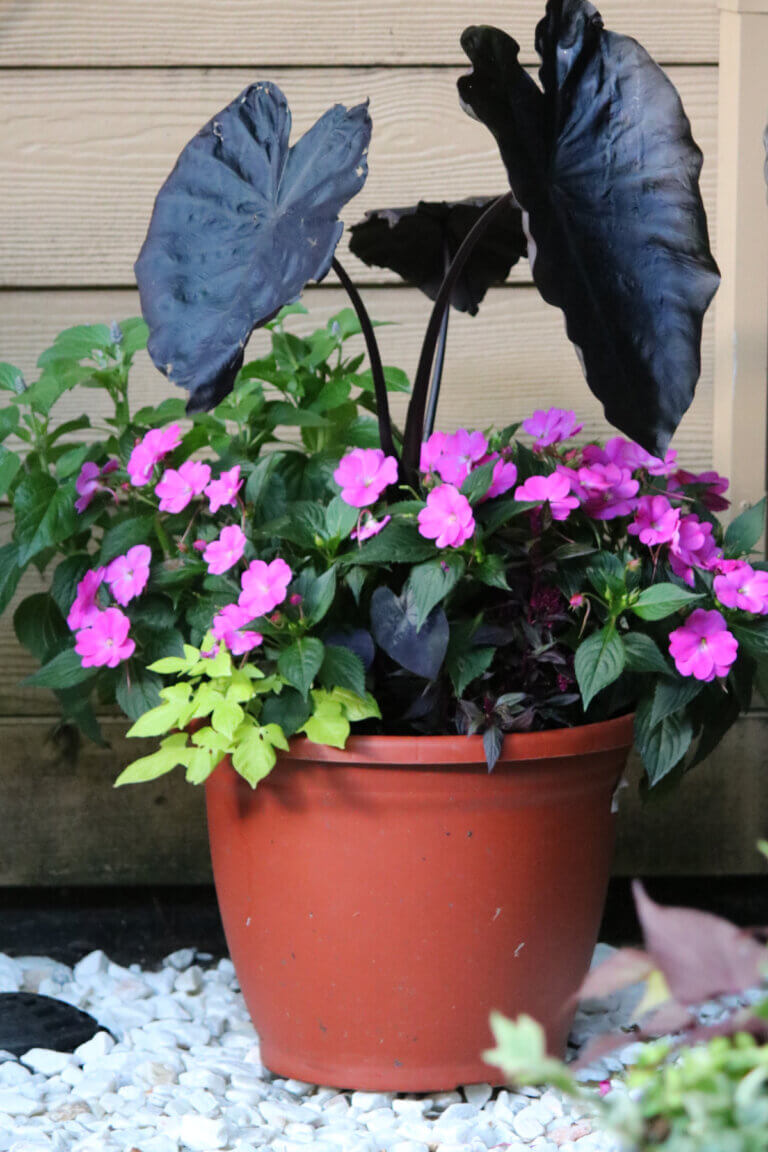
Various herbs deter ants, especially lemon-scented ones.
Top Scents to Repel Ants:
- Vinegar: A mixture of equal parts white vinegar and water is highly effective at masking scent trails and cleaning surfaces to deter ants. White vinegar’s pungent smell erases pheromone trails. Mixing equal parts water and vinegar creates a natural cleaner for countertops and floors that deters ants.
- Spices & Herbs: The potent aromas of black pepper, cayenne pepper, cloves, and garlic irritate ants and confuse their navigation.
- Lavender: Ants are discouraged by the scent of flowering lavender, which you can grow near homes or use in oil form.
- Citrus (Lemon/Orange-D-limonene): Ants hate citrus scents, which contain D-limonene, a substance that is toxic to them. Using lemon juice or scattering peels acts as a barrier. Spraying diluted lemon juice around doorways can create a hostile barrier.
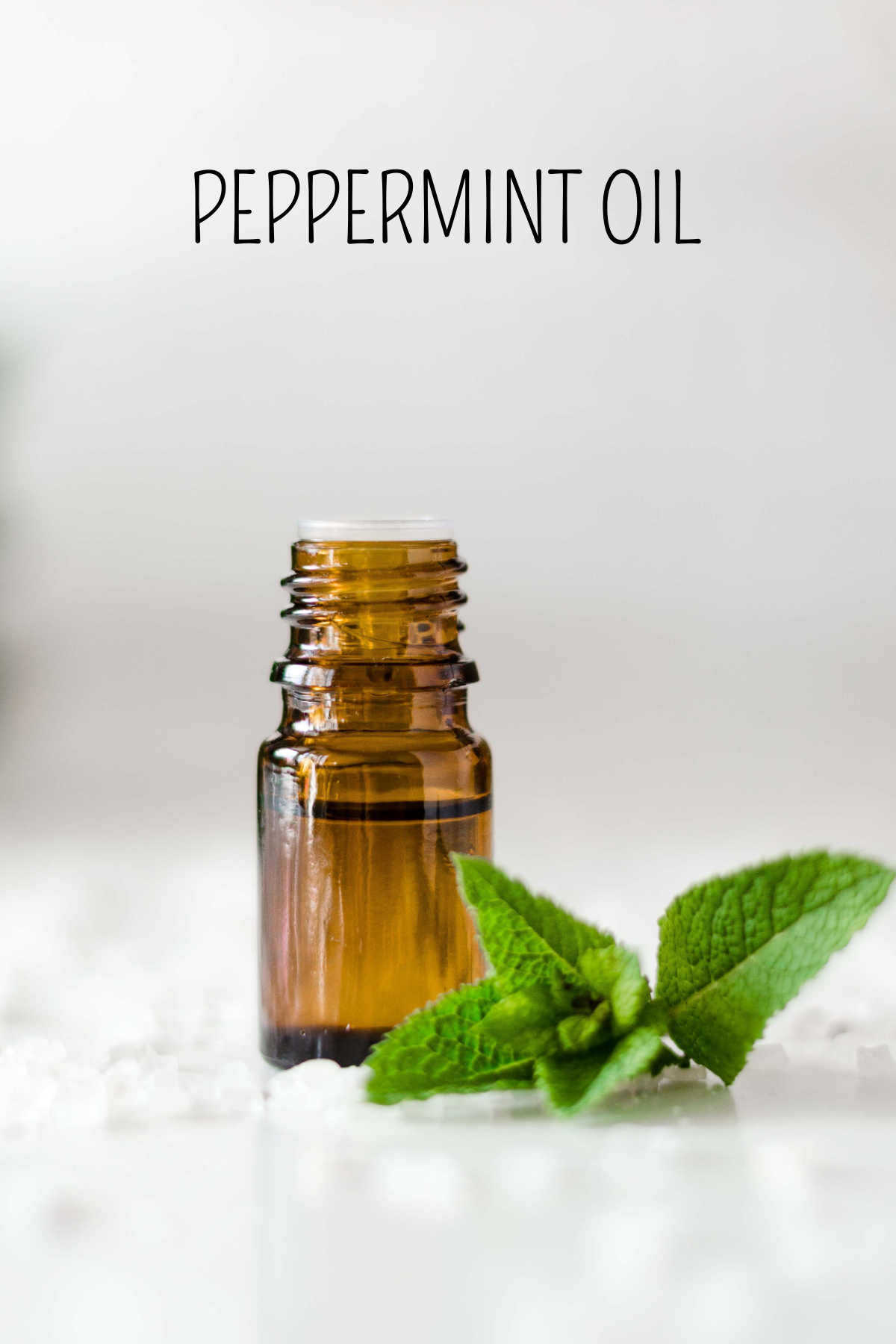
- Peppermint: Peppermint oil is an effective, fresh-smelling repellent that disrupts ant scent trails, especially when applied around doors and windows.
- Cinnamon: Both ground cinnamon and cinnamon essential oil are strong repellents. A non-toxic DIY option, cinnamon repels ants because its strong scent is unpleasant to them. Use it in ground form or as an essential oil to wipe down entry points.
- Strong Oils & Herbs: Tea tree oil, eucalyptus oil, and peppermint oil are top essential oil choices, while plants like mint, basil, and lavender can deter them.
- Coffee Grounds: Used coffee grounds can mask scent trails. Brewed coffee grounds can repel ants due to their strong, bitter smell.
How to Use Them
- Spray: Mix water with vinegar, lemon juice, or essential oils (peppermint/tea tree) in a spray bottle to treat ant trails.
- Barrier: Sprinkle cinnamon, cayenne pepper, or coffee grounds at entry points.
- Cotton Balls: Soak cotton balls in essential oils and place them in cabinets or corners.
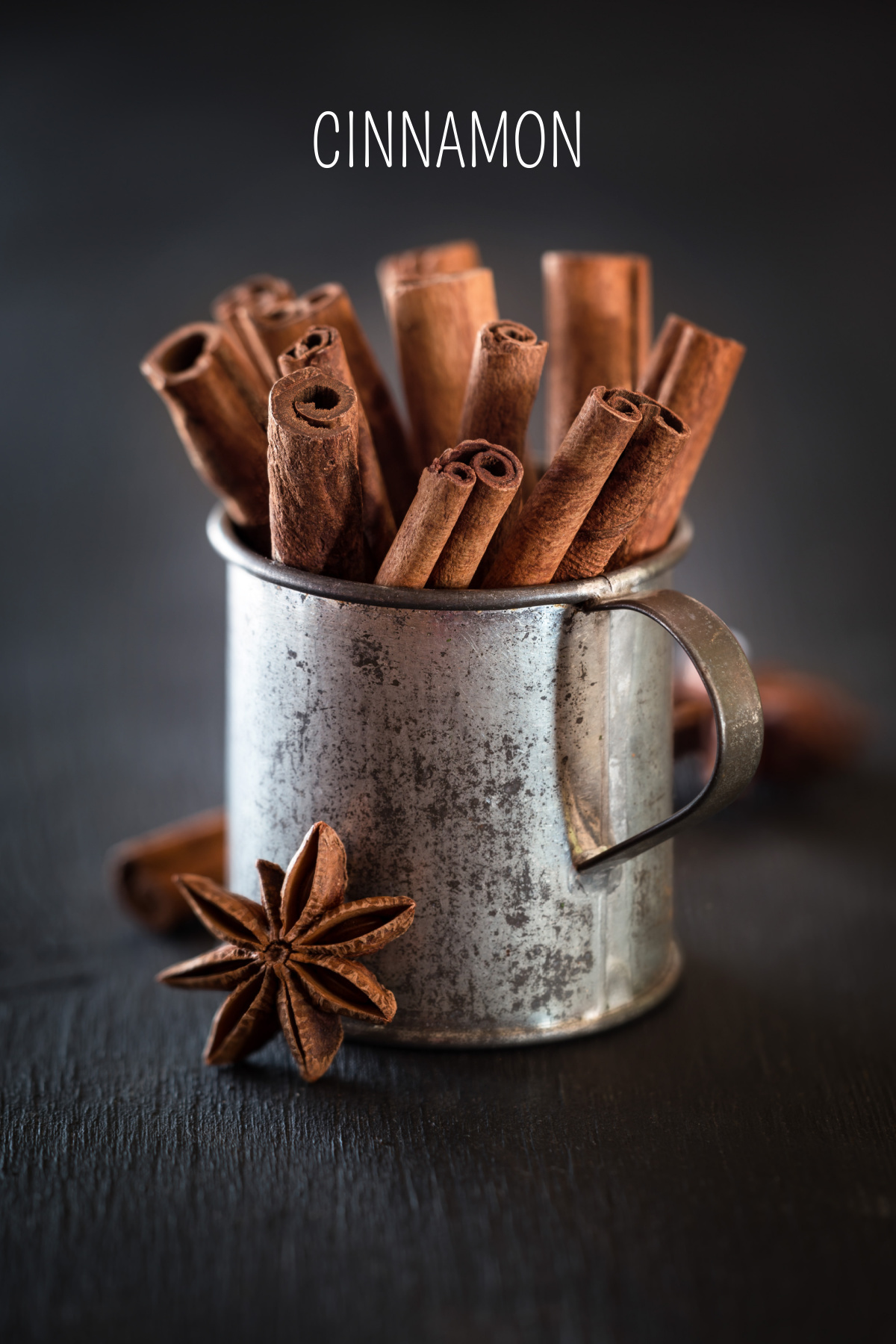
Apply ground cinnamon, cinnamon sticks, or cinnamon essential oil directly to entry points such as windowsills, doorframes, and along known ant trails. Ideally, sprinkle it in a straight barrier line.
I’ve found that if there is a break in the cinnamon line, they will go through it. But they avoid a solid line of cinnamon to keep it off their feet.
How Scents Work as Repellents
- Pheromone Masking: Ants lay invisible chemical trails to lead colony members to food. Strong odors, such as vinegar or lemon juice, can erase or mask these signals, effectively “blinding” the ants’ ability to follow the path.
- Irritation: Certain compounds, such as menthol in peppermint or cinnamaldehyde in cinnamon, physically irritate an ant’s antennae.
- “Excito-Repellency”: Extreme scents can over-stimulate an ant’s odor receptors. This sensory overload is often compared to being stuck in an elevator with someone wearing far too much perfume—it causes the ant to flee the area immediately.
Other Ways to Deter Ants:
No single method works perfectly in every situation, but combining several of these techniques can make your home much less inviting to ants.
Keep Food Sources Out of Reach
The simplest way to prevent ants is to eliminate what attracts them. Wipe up crumbs and spills promptly and store pantry items in airtight containers. Rinse recyclables before placing them in bins, and avoid leaving pet food out for long periods.
Even a tiny drop of syrup or a few cookie crumbs can lead an entire trail of ants into your home.
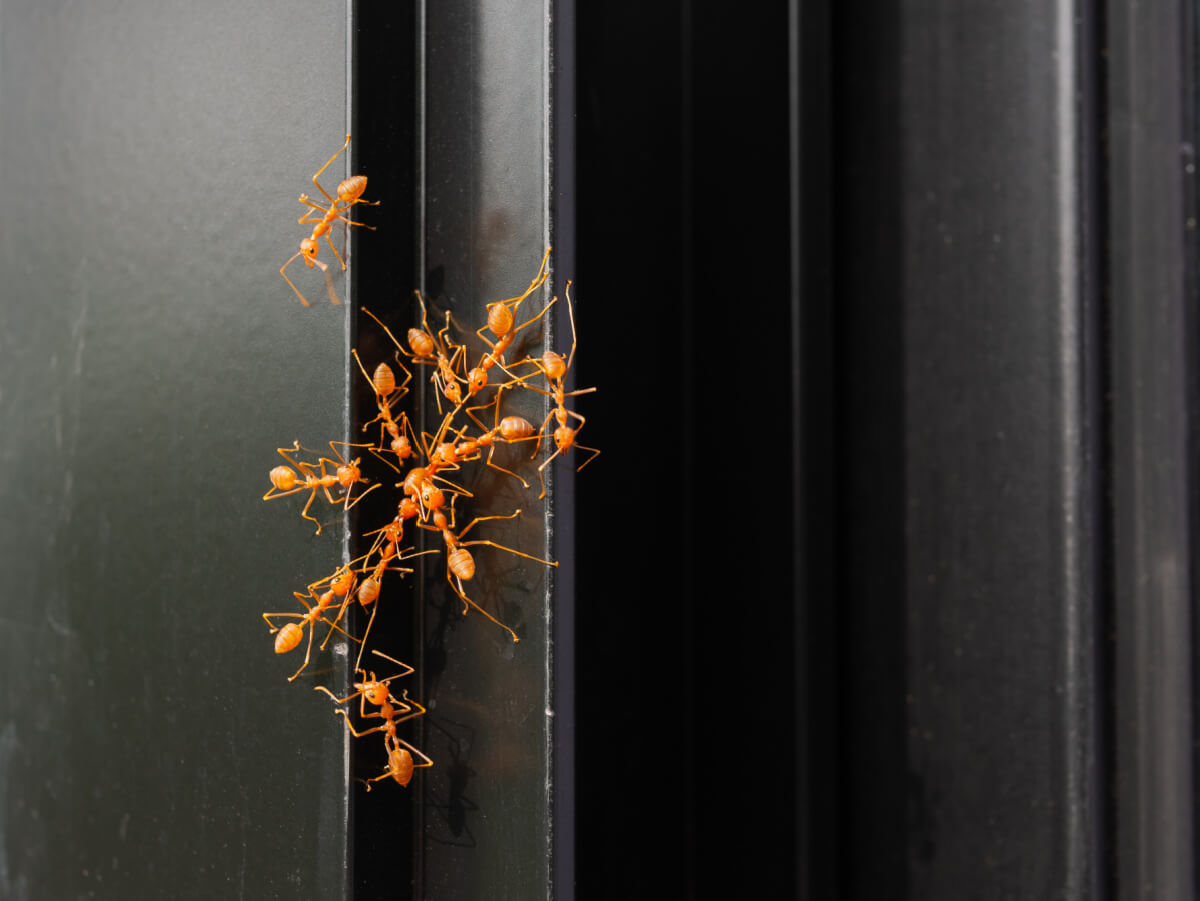
Seal Entry Points
Inspect windows, doors, utility openings, and foundation cracks where ants may enter. Use caulk or weatherstripping to close gaps. Preventing access is often more effective than trying to eliminate ants after they’ve already found their way inside.
Wipe Away Scent Trails
Ants communicate by leaving invisible scent trails that guide others to food. Simply wiping countertops, floors, and baseboards with a solution of equal parts white vinegar and water can help remove these trails.
Eliminate Standing Water
Like all living creatures, ants need water. Repair dripping faucets, dry damp sinks before bed, and avoid leaving standing water in trays or pet bowls overnight. Reducing moisture makes your home less appealing.
Trim Vegetation Around the House
Tree branches, shrubs, and vines touching your home can serve as bridges for ants. Keep plants trimmed back several inches from exterior walls to reduce easy access.
Maintain Your Garden
In outdoor spaces, remove piles of leaves, rotting wood, and excess mulch directly against your home’s foundation. These areas provide ideal shelter for ant colonies. Keeping flower beds tidy helps reduce nesting opportunities.
Create Natural Barriers
Some homeowners sprinkle food-grade diatomaceous earth around entry points or along known ant paths. Food-grade diatomaceous earth is a naturally occurring powder that can discourage crawling insects when kept dry.
Use only food-grade diatomaceous earth, and avoid inhaling the fine dust during application.
Harvest Fruit Promptly
If you have fruit trees or berry bushes, pick ripe produce before it falls to the ground. Overripe fruit attracts ants and many other insects.
Practice Consistency
Natural ant prevention works best as part of a regular routine, not a one-time treatment.
Keep your home clean, remove food and water sources, seal entry points, and refresh natural repellents every week or two. These steps create an environment where ants are less likely to settle.

If you focus on prevention instead of pesticides, you can often keep ant populations under control while maintaining a healthier, more eco-friendly home.
These simple habits are especially helpful for households with children, pets, or anyone who prefers natural home care solutions.
If you’re planning a picnic or simply want to dine outdoors, practice the preventative measures above. But if you still find yourself dealing with the pests, you can use these strong scents, or a combination of them, to repel and drive away ants.
You don’t want ants interfering while you’re visiting family and friends.


This was great information! Everyone has any problems at some point! Thank you for passing all these suggestions along to us!
Thanks for the info! Now my big query is, do you have any good ways to get rid of moles? I am having a terrible time with them and they’re destroying my yard. I’ve tried any and everything that I can find!
I found this info:
Use castor oil, coffee grounds, or garlic and chili pepper spray to deter moles.
Flooding mole tunnels is temporary and best when combined with other deterrents.
A long-term solution is to attract moles’ predators—such as owls—to your yard.
Thanks Brenda. I used to have a owl that lived in the big trees next door but he’s gone now. I think getting rid of moles is pretty much a losing battle.
Thanks for these ideas…we need them soon no doubt. Ugly roaches are mainly what we see now…this apt bldg is near a kind of swampy weedy area so no doubt they are coming over from that. And it IS THE SOUTH…so comes with the territory. Have you heard about those Asian Stinging Ants? Seems their bite is equal to bee stings…some have almost bit the dust from it. And it is in a lot of states now, ours included. These ants are super small to boot…
No, I haven’t heard of them. Will check into it though.