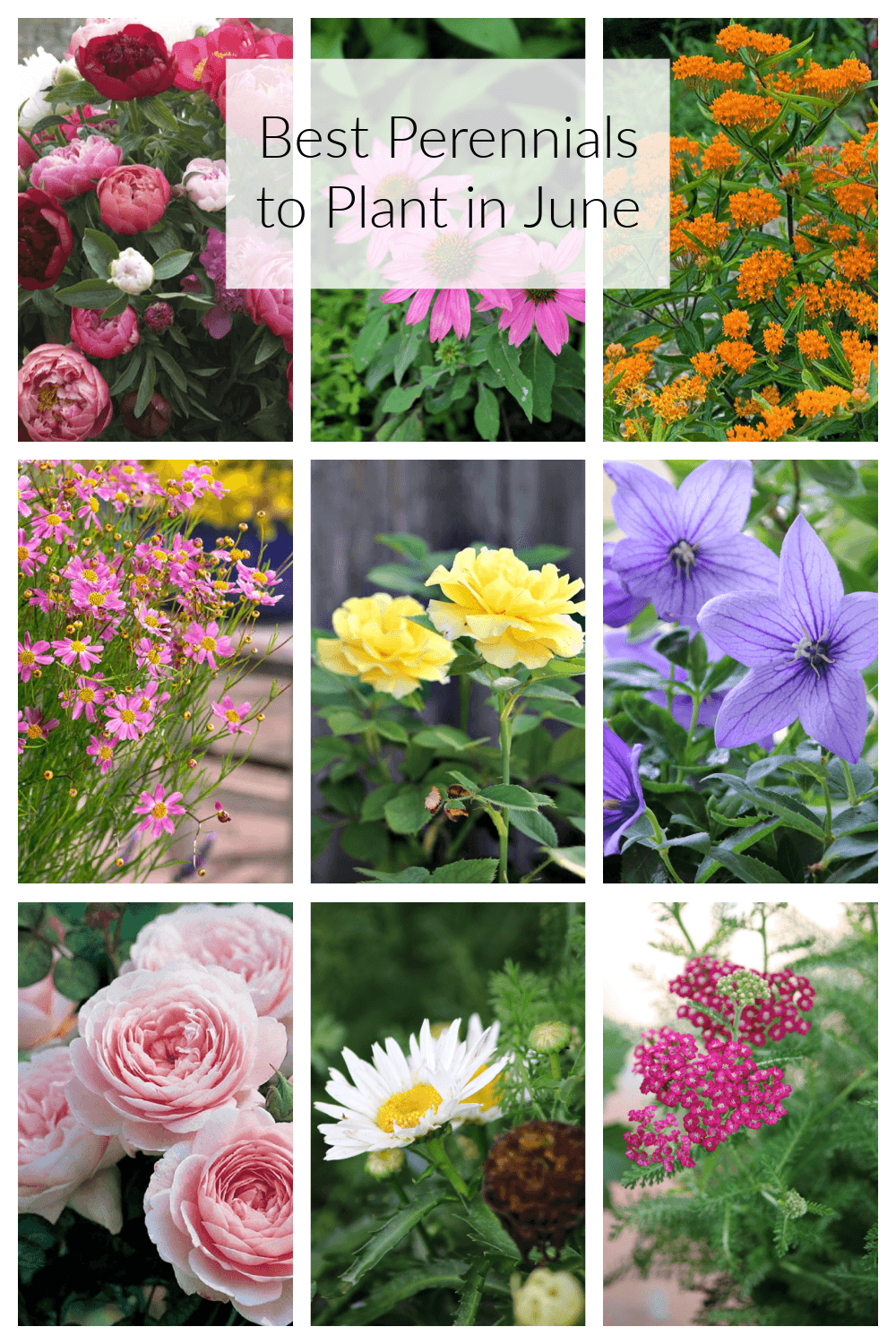
Best Perennials To Plant In June
This post may contain affiliate links. If you purchase through links on my site, I may earn a commission at no cost to you. For more information, please see my disclosure policy.
June is one of the best times to plant perennials in your garden. With warm soil, longer days, and consistent sunshine, plants establish strong root systems much faster than they do in the cool months of early spring.

June is the month when I take note of what plants are thriving and which are not.
The new plants might struggle a little as the sun heats up in summer and may need a little more watering. Your old perennials should be looking fairly lush and happy.
Note what’s going on in your garden, then next year you will have those notes to guide you on planting more perennials. You can always fill in the empty spots with colorful annuals.
Some Perennials You Can Plant In June:
- Balloon flower
- Butterfly weed
- Coneflower
- Coreopsis
- Cosmos
- Peonies
- Pincushion flower
- Roses
- Shasta daisy
These plants are just a few of the best perennials to plant in June.
Balloon Flower (Platycodon grandiflorus):
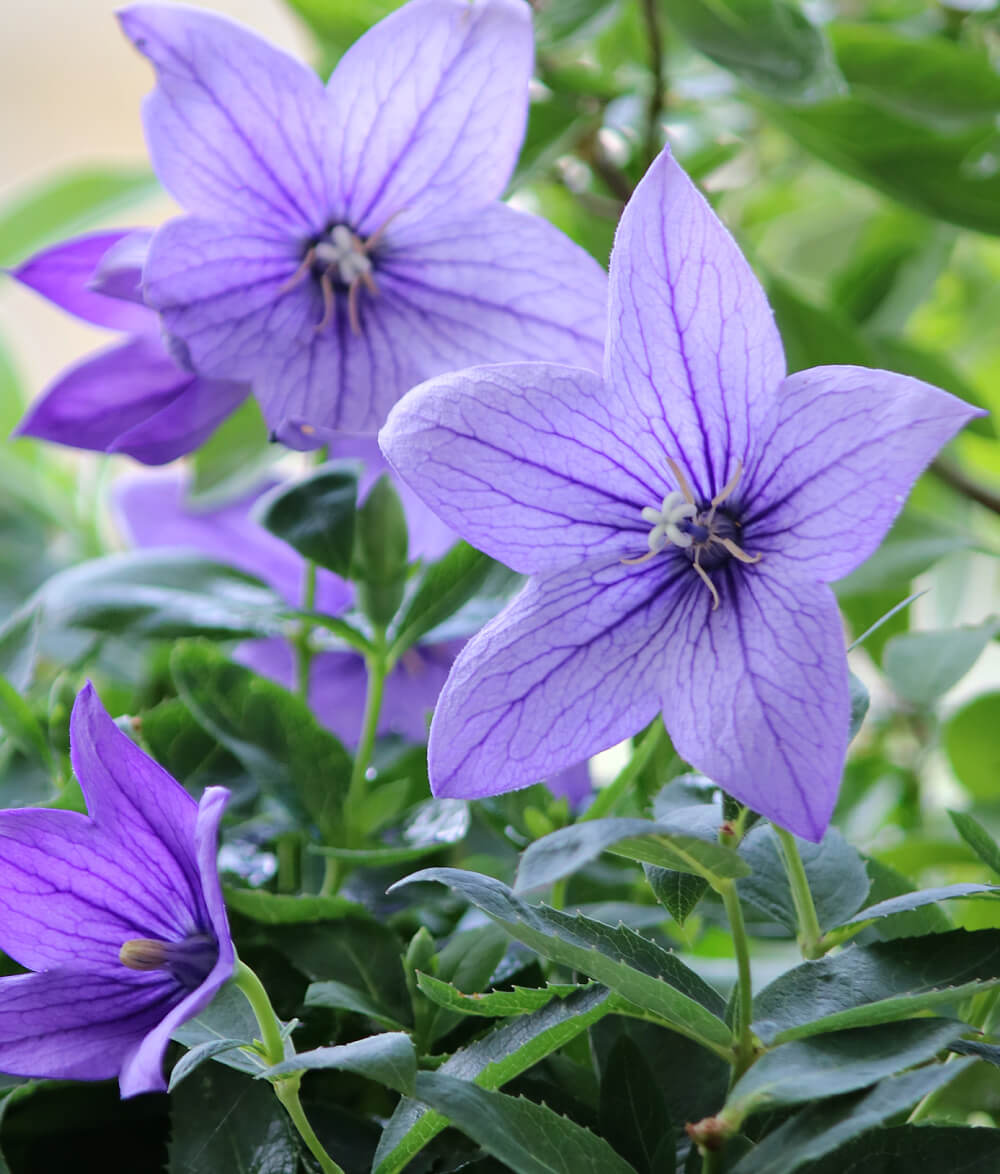
The balloon flower plant above is from my porch. It faces north, but is blooming well in the mixed pot of plants.
This beautiful perennial has been blooming since about the first of June. It’s one of my favorites. I don’t know why I haven’t planted the balloon flower before now.
Balloon flower symbolizes “eternal love.” It also means “sincerity” and “elegance.”
Growing to around 24 inches tall and 12 inches wide, it has dark green leaves and bluish/purple flowers in late summer.
A notable feature of the plant is the flower bud, which swells like a balloon before fully opening. Hence the name.
If mine gets much bigger, I’ll either have to either plant it alone in a pot to allow for its growth or plant it in the ground.
Butterfly Weed (Asclepias tuberosa):
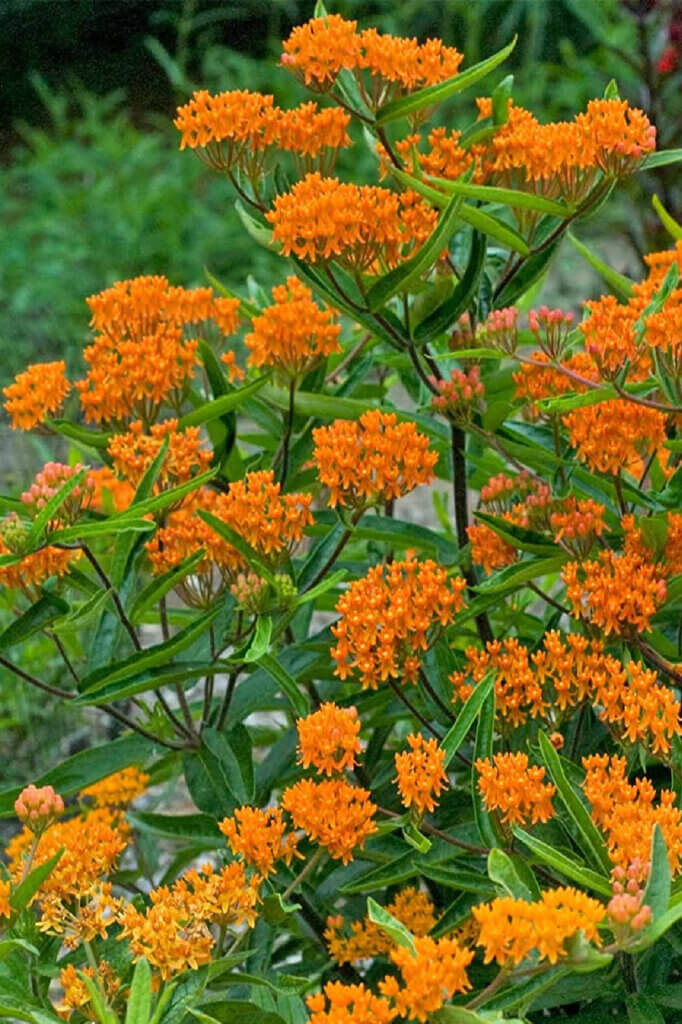
Butterfly weed is a wonderful perennial to plant during the month of June, and is a fairly low-maintenance plant. It grows in poor, dry soil and even on slopes. It is drought-tolerant and cold-hardy. It’s usually deer-resistant and mostly disease-free.
Native butterfly weed will attract pollinators to your garden. It has gorgeous blooms and is a favorite of cut gardens. You may want to snip off some blooms to take indoors to enjoy in a jar of water.
Attracting pollinators is probably the biggest benefit of having this plant in your garden.
Coneflower (Echinacea purpurea):
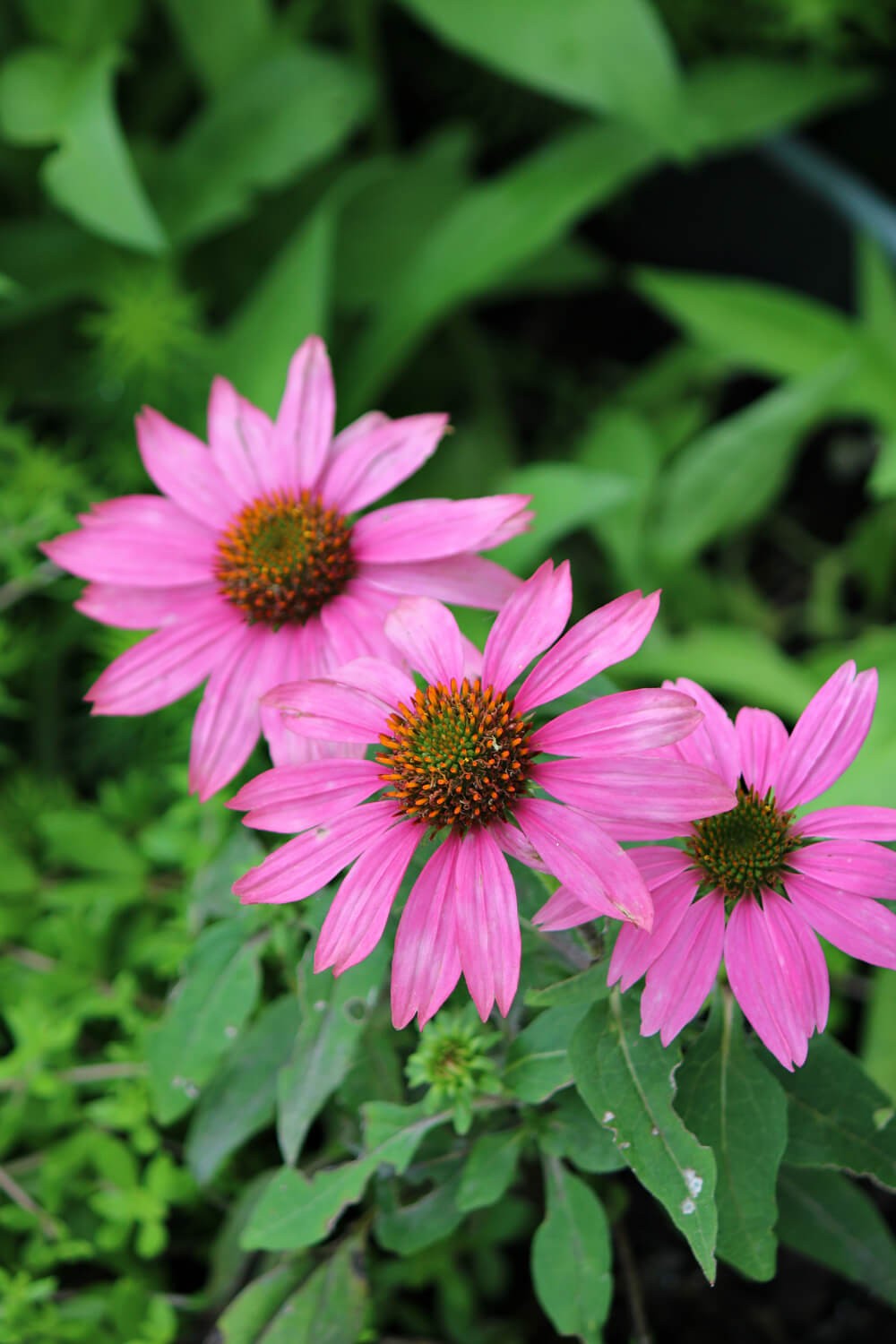
Coneflowers are popular perennials to plant in June. It is a true North American native, which is why it attracts insect pollinators and birds.
This year is the first time I found and brought home this gorgeous pink coneflower plant for my container garden. Now if it will just make it through the winters here!
These plants are heat and drought-resistant, easy to grow, and bloom for months. This plant makes great cut flowers to take indoors to enjoy.
As the flowers fade and the nectar dries up, the flower heads will attract goldfinches, who love their seeds.
Native plants should be promoted because they are critical to native ecosystems.
Coreopsis (Tickseed):
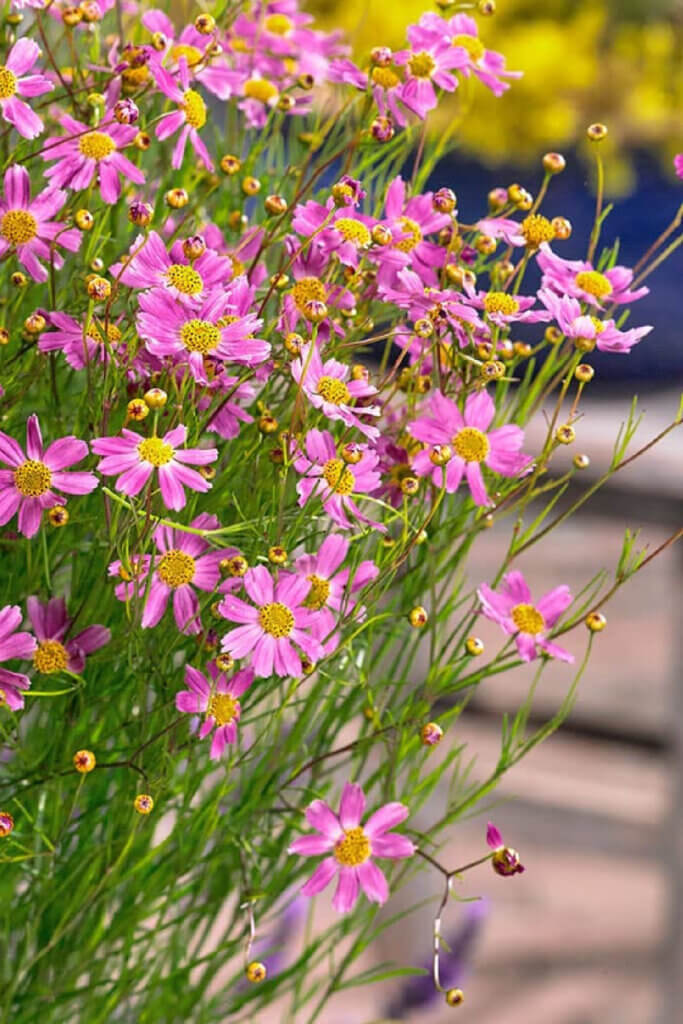
These drought-tolerant plants require full sun. Coreopsis grows in upright clumps and flowers throughout the summer.
The coreopsis plant has a moderate growth rate. It is best planted in the spring after all risk of frost has passed.
As summer gives way to fall and the flowers die back, consider leaving them so the birds can dine on the seeds.
Peonies (Paeonia):
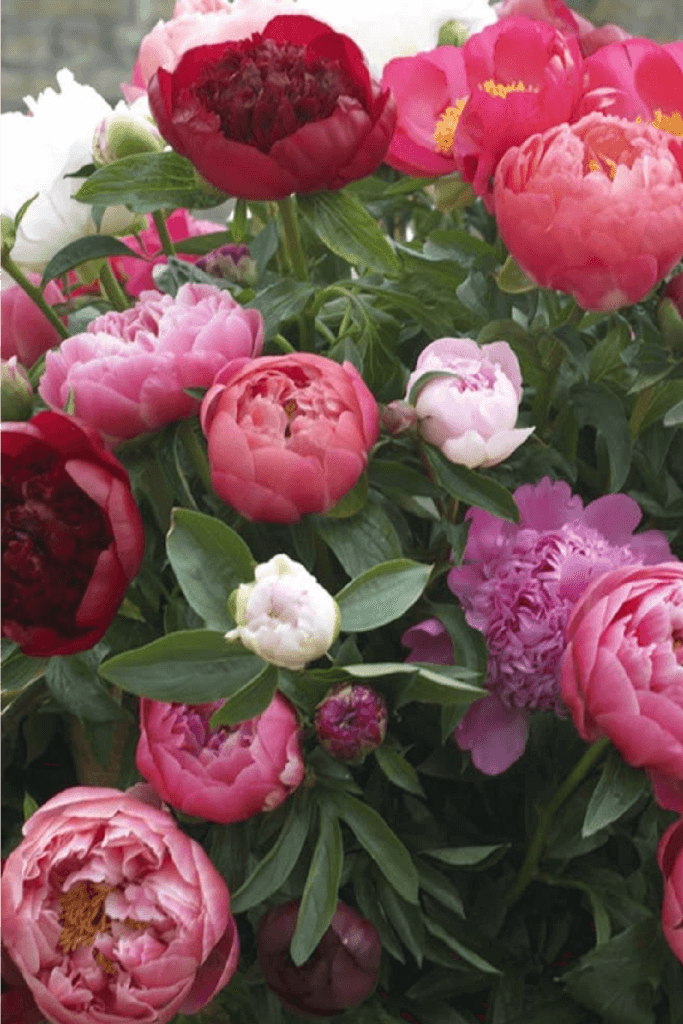
Aside from their fragrance, peonies are popular among brides for their symbolism, which represents love and romance. They are also the traditional flower for 12th wedding anniversaries.
Peonies prefer a sunny location with well-drained soil. Note that the peony plant needs good air circulation around the plant.
This helps peonies avoid their only serious disease problem: botrytis. Like other fungal diseases, botrytis is present in most soils.
Herbaceous peonies do best in Hardiness Zones 3 to 8 because winter temperatures are cold enough to encourage bud formation.
Roses (Rosa):
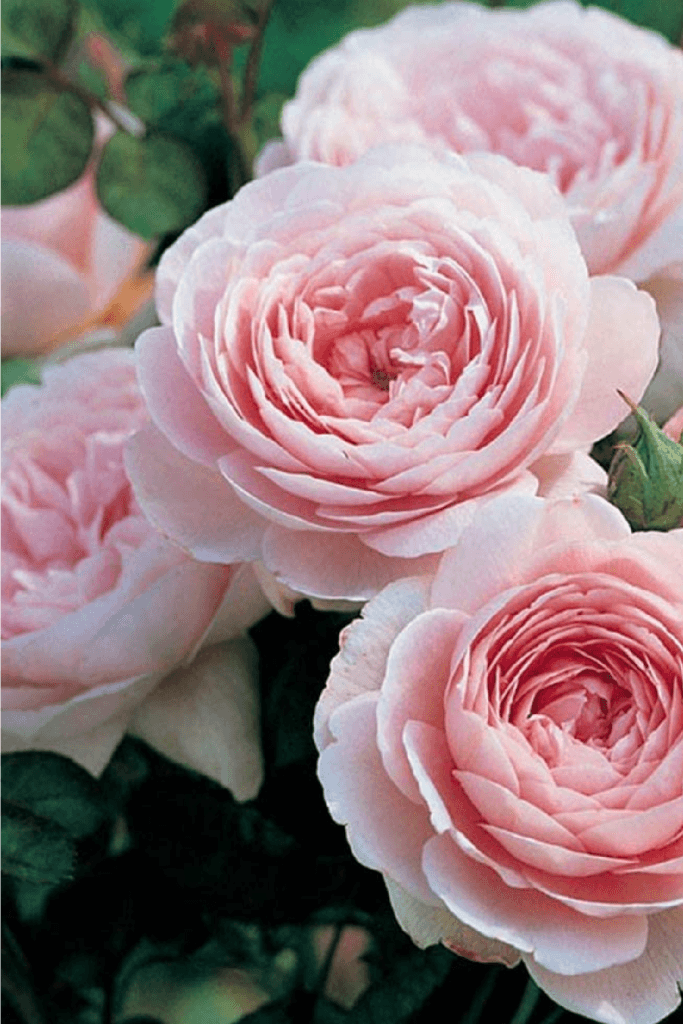
Botanically, a rose is classified as a woody perennial shrub.
I had a gorgeous yellow rose plant in a large container when I had a patio garden at my apartment. Unfortunately, it got some kind of disease and died. I’d love to plant another one, possibly in the ground this time.
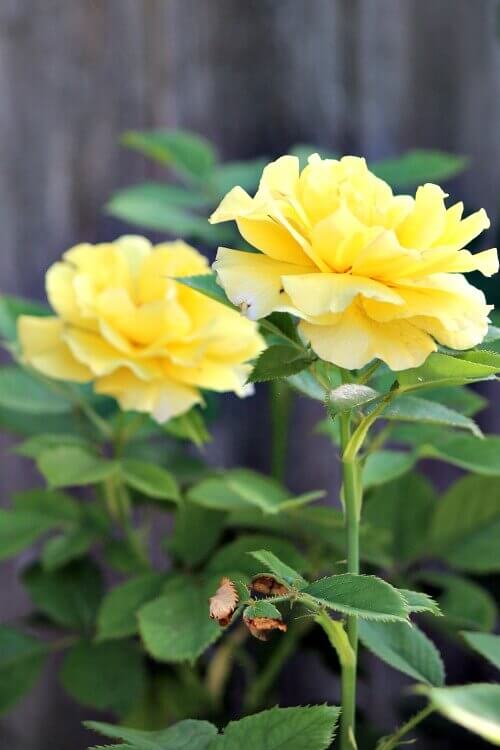
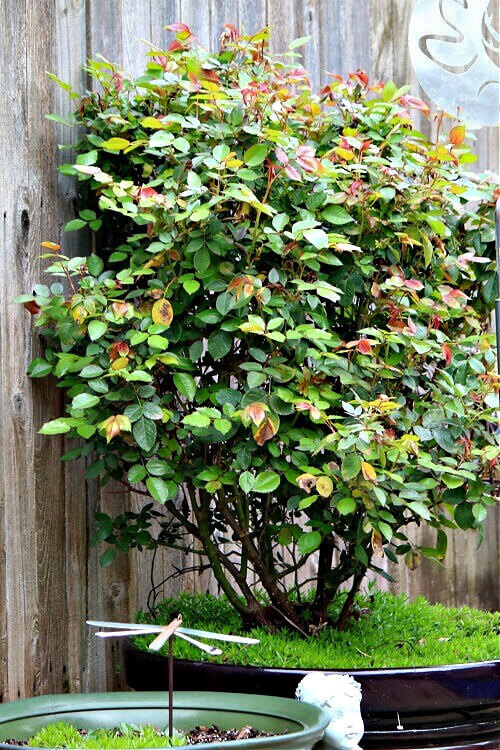
There are more than 150 species of roses, including shrubs, climbers, and ground covers.
All roses grow best in full sun with moist, well-drained soil rich in organic matter. Roses prefer slightly acidic soil.
Shasta Daisy (Leucanthemum x superbum):
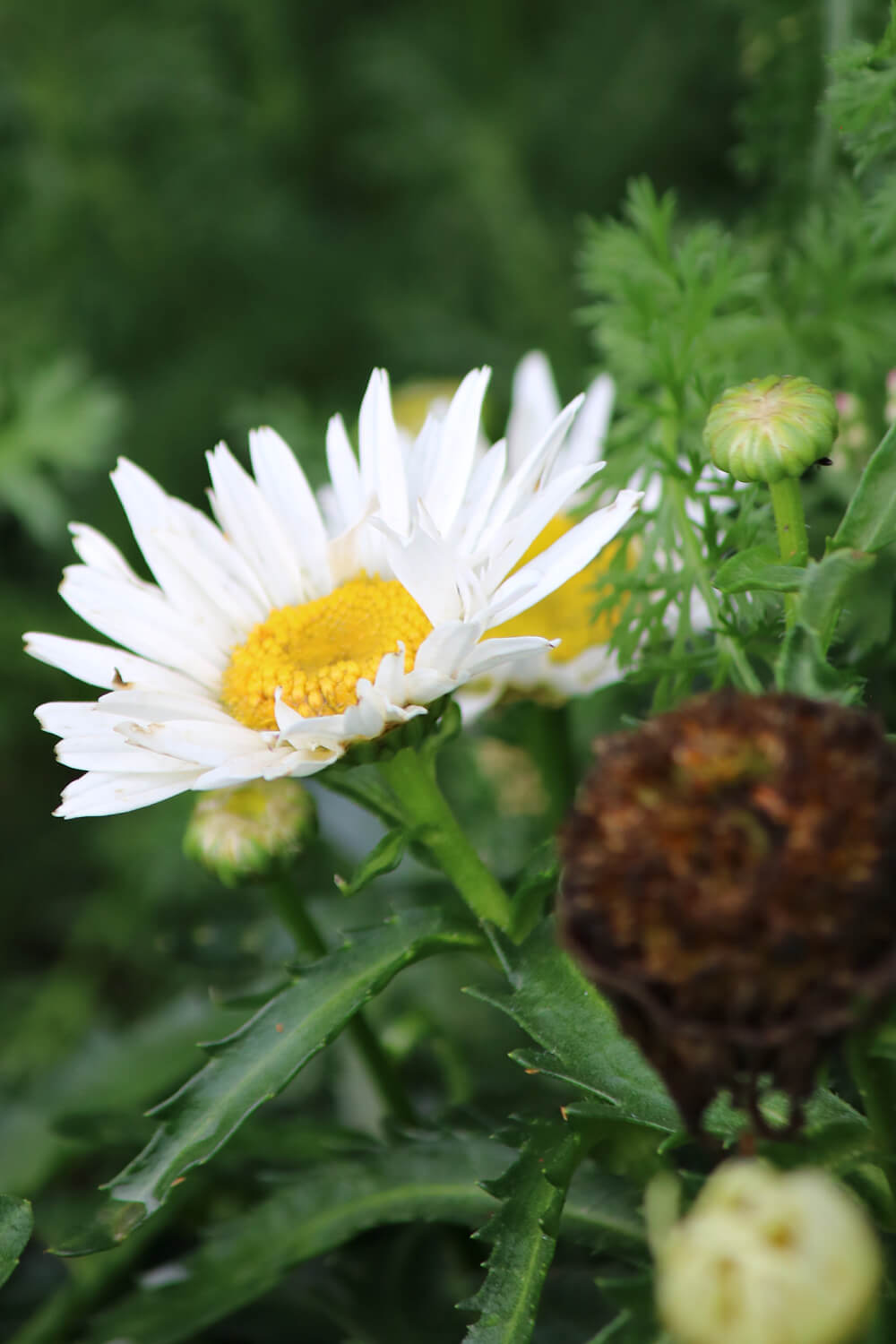
Shasta daisies can be grown in sun or part shade. They are deer-and drought-resistant and rarely struggle with pests or diseases.
Good soil drainage is especially important in winter because damp, soggy soil around the plant’s root crown can lead to rot.
The Shasta daisy plant thrives in well-drained but not overly rich soil. Taller varieties may need staking.
Daisies tend to form in clumps that are 2 to 3 feet tall and almost as wide. They are a great perennial to plant in June. Once planted, you’ll have cut flowers that can last a week or more in flower arrangements.
Are Perennials Considered Herbaceous Plants?
Many perennials are herbaceous, meaning they have soft, non-woody stems that die back to the ground in the winter and regrow from the roots in the spring. However, not all perennials are herbaceous.
Herbaceous plants are non-woody plants, such as most ferns and grasses. These plants either form little or no hard woody tissue.
Unlike woody plants, such as trees, these plants don’t have a stem that remains above ground after their leaves die.
Herbaceous plants include many perennials, and nearly all annuals and biennials.
Yarrow:
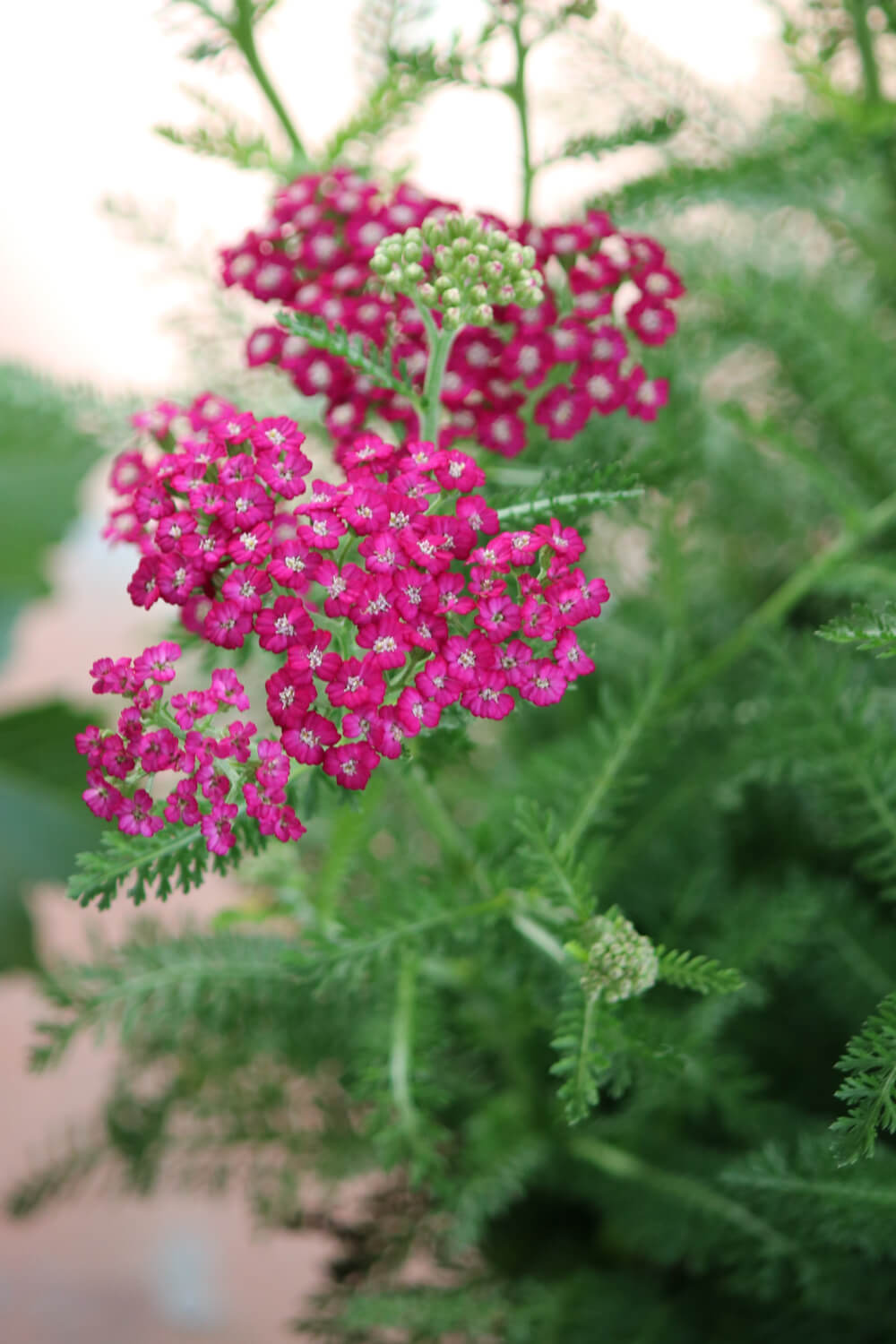
You can also plant yarrow in June. Because it is a highly heat-tolerant, drought-resistant perennial, planting it in early summer, after the last spring frost, allows the warm soil to stimulate strong root development before the hottest peak of summer.
Garden Maintenance for June:
June is also a month when fairly constant maintenance is required for the overall health of your perennials plants.
This is the time of year when the weeds can really start to overtake your garden. It’s best to take this task seriously and stay on top of it.
Make sure you water your garden properly unless there is heavy rainfall.
Are you deadheading the annual blooms that have now faded away? Deadheading regularly means more blooms. If you deadhead your plants when the blooms fade, you will likely get a second and third bloom.
When the flowering process is suspended, the plant begins to use all its energy to form seeds.
Why Plant Perennials in June?
Although the temperatures are higher, regular watering during the first few weeks helps new perennials settle in and prepare for years of dependable blooms.
Garden centers are also filled with flowering perennials in June, making it much easier to choose plants based on their actual colors, sizes, and bloom times.
Instead of guessing what a plant will look like later in the season, you can see mature flowers and foliage before bringing them home. Figuring out what will grow well in your space is part of your gardening learning journey.
Planting in June also gives your garden an instant refresh. Perennials such as coneflowers, salvias, daylilies, black-eyed Susans, coreopsis, and garden phlox can quickly fill empty spaces.
Your perennials will also attract butterflies and bees, and provide color throughout summer. Many varieties will continue to grow stronger throughout the season and return even larger the following year.
Another advantage to planting perennials in June is that warm weather encourages healthy root development. As long as the plants receive consistent moisture and a layer of mulch to keep the soil cool, they will have plenty of time to become established before autumn arrives.
By the time cooler weather returns, your perennials will have developed the sturdy root systems they need to survive winter and burst back to life in spring.
If you want a low-maintenance garden that becomes more beautiful each year, June is an excellent month to plant perennials.
A little extra care during their first summer will reward you with colorful blooms. You’ll have healthier plants, and a garden that grows fuller with each passing season.


Loving your garden photos and the good information. Enjoy that beautiful space!! We have ours all planted in KS and so enjoying it. It’s a special time of yr. We eat on the porch and patio almost every meal.
Infested not ingested… and have been not having been. Sorry, I should have proof read before sending my reply.
I have one wonderful smelling rose bush outside. The rest of my plants, for the moment anyway, are indoor plants. I wish I had a beautifully landscaped yard, but honestly, I’m just happy that I’ve managed to keep my plants alive. They are getting ingested with mealybugs, and my plants having been looking pretty bad. I’m hoping the mealy bugs don’t kill them all. Any ideas on how to stop these pests? A while back it was spider mites. I think all the flowers you showed us today are really pretty!
I found this: On small infestations on houseplants, a 70% or less solution of isopropyl (rubbing) alcohol in water may be dabbed directly on mealybugs with a cotton swab to kill them or remove them.
And this: Washing plant foliage using a soft cloth or a forceful spray of lukewarm water can help reduce the spider mite population if done repeatedly.
Thank you, Brenda!
It’s nice to see more and more posts about gardening. Yes, things have changed for you regarding outdoor things but you’re still in your element.
Enjoy every minute, dear lady.
Happy Monday!