
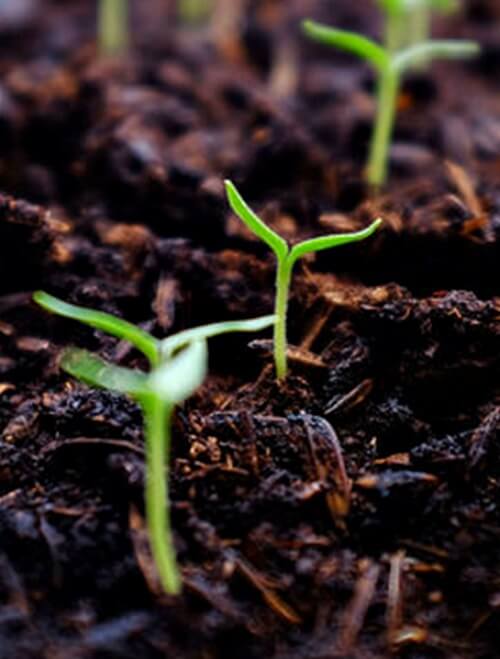
Using Coffee Grounds In Your Garden
This post may contain affiliate links. If you purchase through links on my site, I may earn a commission at no cost to you. For more information, please see my disclosure policy.
Did you know about the garden tip of using coffee grounds in your garden? The organic matter is a notable source of nitrogen, potassium, phosphorus, magnesium, and copper for your plants.
Used coffee grounds speed up compost piles when mixed with carbon materials.
However, brewed grounds are near-neutral in pH, and applying them too thickly can block water or harm young seedlings. So keep that in mind when layering the coffee grounds over the soil.

Did you know you can give houseplants a “lift” by lining the bottoms of pots with coffee filters filled with used grounds? You can recycle those used coffee grounds in an environmentally friendly fashion.
Coffee Grounds Soil Amendment:
Coffee grounds can improve soil drainage and texture.
Sprinkle a thin layer (no more than 1/2 inch) of dried coffee grounds around plants, gently raking them into the topsoil. Avoid creating a thick layer that could become compacted and hinder water penetration.
Consider mixing coffee grounds with other organic materials, such as wood chips or shredded bark, to create a mulch. But be mindful of potential compaction and keep the layer thin.
Coffee Grounds As Natural Pest Control:
Coffee grounds can deter slugs and snails.
Sprinkle them around plants or create a barrier to discourage these pests. Some gardeners also report that coffee grounds can repel cats and other animals.
If you rinse your used coffee grounds, they will have a near-neutral pH of 6.5 and will not alter the soil’s acid levels.
Coffee Grounds Potting Mixture:
To make a potting mixture, mix equal parts coffee grounds and topsoil. If you’re adding it directly to flower beds, simply sprinkle it on top.
Make sure you don’t layer it thicker than half an inch. Use a small fork or rake to spread the coffee grounds evenly. Mix them in with the top layer of your flower bed.
Coffee grounds can be a beneficial addition to your garden. They can be used for several purposes, such as composting, soil amendment, and natural pest control.
They are a “green” or nitrogen-rich material. So be sure to balance them with “browns” like dried leaves in your compost.
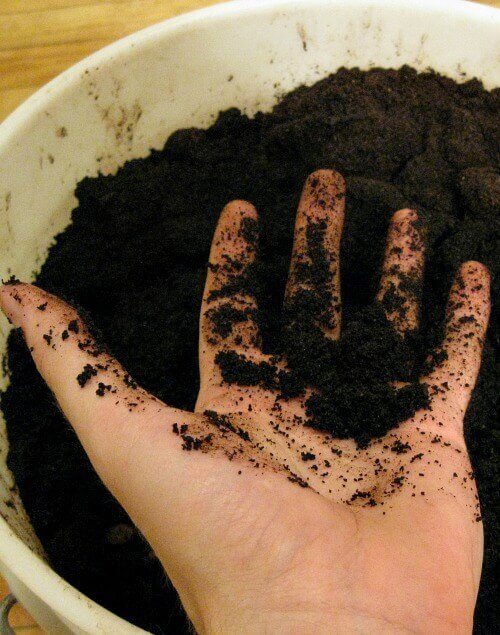
What Happens When You Use Coffee Grounds in the Garden?
Green compost materials are considered the “wet ingredients” of a compost pile. Such as food scraps, cut grass, coffee grounds, and manure.
This type of compost material introduces the essential element of nitrogen, which attracts important microbes. This provides the necessary tools to help break down the contents of the pile.
Coffee grounds should make up no more than 20% of your entire compost pile’s volume.
- Used coffee grounds: Act as a “green” nitrogen-rich material that heats up and balances carbon-heavy yard waste.
- Nutrient supply: They provide small amounts of nitrogen, phosphorus, potassium, and minerals like magnesium.
- Worm attraction: Earthworms are drawn to decomposing coffee waste, which helps aerate soil.
How to Apply Coffee Grounds to the Garden:
- Don’t over-apply directly: Thick layers of wet grounds can dry into a hard mat that blocks air and water from reaching plant roots.
- Keep away from seedlings: The residual caffeine can stunt the growth of young seeds and delicate seedlings.
Recipe for Liquid Coffee Ground Fertilizer:
Use to water containers and garden beds, or as a foliar spray. But be aware of potential leaf burn.
This simple liquid coffee ground fertilizer is often called “coffee tea.” Steep 1 to 2 cups of used coffee grounds in 5 gallons of water for 24 to 48 hours.
Strain out the solid grounds using cheesecloth or a fine mesh strainer. Then dilute the remaining liquid 1:1 with clean water before watering your plants.
Which Plants Like Coffee Grounds Most?
Plants that love coffee grounds best are acid-loving plants and heavy nitrogen feeders. Top outdoor plants that like coffee grounds include:
- Blueberries
- Azaleas
- Rhododendrons
- Hydrangeas
- Roses
Best indoor plants that like coffee grounds include African violets, pothos, spider plants, and peace lilies.
Always use used (brewed) grounds in small amounts.
Coffee grounds are commonly used as a natural, DIY deterrent for garden pests, specifically snails, slugs, ants, and neighborhood cats.
Many gardeners try using coffee grounds to deter larger animals such as rabbits, deer, and squirrels. But expert opinions on their effectiveness are mixed.
This is yet another frugal, natural garden tip to enhance your garden’s health without spending any money.
WARNING: Using coffee grounds in a garden can pose serious toxicity risks to cats and dogs if ingested. Caffeine is poisonous to pets, though the strong smell can sometimes deter animals from digging.



I throw mine in the compost bin….which I was not able to do all winter and it broke my heart throwing away perfectly good coffee grounds every time!
I had heard that coffee grounds were beneficial in the garden but had no idea how to really use them. Thank you so much for this post. My used coffee grounds will be put to good use as well as the leftover coffee (when I have any). What a neat post. Thank you.
Brenda a few years ago I had hollyhocks planted off of the back porch. I dumped the coffee pot and grounds on to the plant and I forget how big it grew exactly ( without searching through my blog ) but I recall that it was over 20 feet! 🙂
So you are right, lol!
I’d heard coffee was good for soil, but you’ve really given us a full accounting for using it. Thanks so much. Happy weekend to you.
love this one brenda! thank you for sharing. laura