10 Succulents That Will Grow In The Shade
This post may contain affiliate links. If you purchase through links on my site, I may earn a commission at no cost to you. For more information, please see my disclosure policy.
Discover 10 succulents you can grow in shade instead of sunlight.
Succulents come in an incredible variety of colors, shapes, and textures. They are fun to grow and put on display.
Succulents that grow in the shade are a little different from their sun-loving cousins. Instead of soaking up hours of bright light, these plants have adapted to thrive in filtered sun, indirect light, or even low-light conditions indoors.

When most people think of succulents, they picture sun-soaked desert plants basking in bright light. While it’s true that many succulents love the sun, not all of them require it to thrive.
In fact, several varieties prefer partial shade or low-light conditions, making them a perfect choice for indoor spaces or shady garden corners.
If your home doesn’t get direct sunlight or your garden has areas shielded by trees, you can still enjoy the beauty of succulents. Here are some shade-tolerant succulents worth growing:
1. Snake Plant (Sansevieria)
One of the most forgiving plants around, the snake plant thrives in low light and minimal care. Its tall, upright leaves add height and structure to any space. Bonus: it also helps purify the air.
2. Zebra Haworthia (Haworthia fasciata)
This small succulent is ideal for desks and windowsills that don’t receive direct sunlight. Its dark green leaves striped with white ridges give it a striking look even in shaded spots.
3. Aloe Vera (Aloe barbadensis)
Though aloe enjoys indirect bright light, it also adapts to shadier areas indoors. Plus, you get the added benefit of its soothing gel for burns and skin care.
4. Gasteria
Similar to aloe but smaller, gasteria plants are known for their tongue-shaped leaves, which often feature spots or stripes. They naturally grow in shaded areas in the wild, making them perfect for low-light homes.
5. Jade Plant (Crassula ovata)
While jade plants do well in bright light, they can also survive in partial shade. Just keep them near a window where they get filtered light, and they’ll reward you with glossy, coin-shaped leaves.
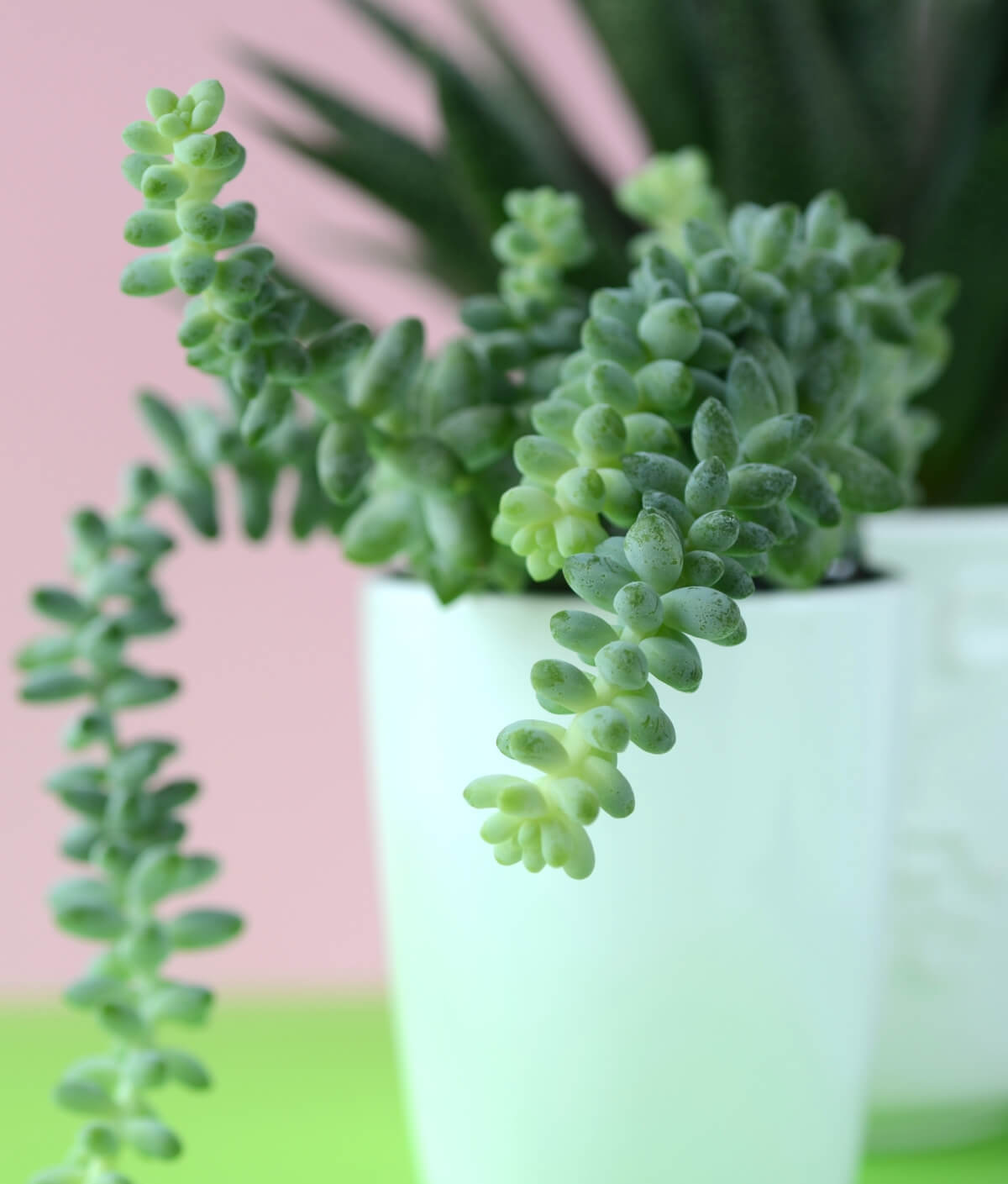
6. Burro’s Tail (Sedum morganianum)
A trailing succulent that does well in bright, indirect light. It can adapt to shadier spots indoors, making it an excellent option for hanging baskets or shelves.
Tips for Growing Shade-Loving Succulents
- Avoid overwatering: Low light means slower growth, so water less frequently.
- Use well-draining soil: A cactus/succulent mix prevents root rot.
- Rotate occasionally: Even shade-loving succulents benefit from some indirect light on all sides.
- Watch for stretching: If a plant starts to elongate, move it to a brighter spot with indirect light.
Succulents aren’t just sun-worshippers. They can bring greenery and texture to even the shadiest corners of your home or garden. With a bit of care, these adaptable plants will thrive where others may struggle.
When I moved into this house in 2024, I went from having almost all shade to having a lot of sun. So I had to alter what plants I purchased in the spring. From patio gardening, I now have a large backyard and a container garden in front of the large front porch.
10 Succulents that Thrive in Shade:
1. Burro’s Tail
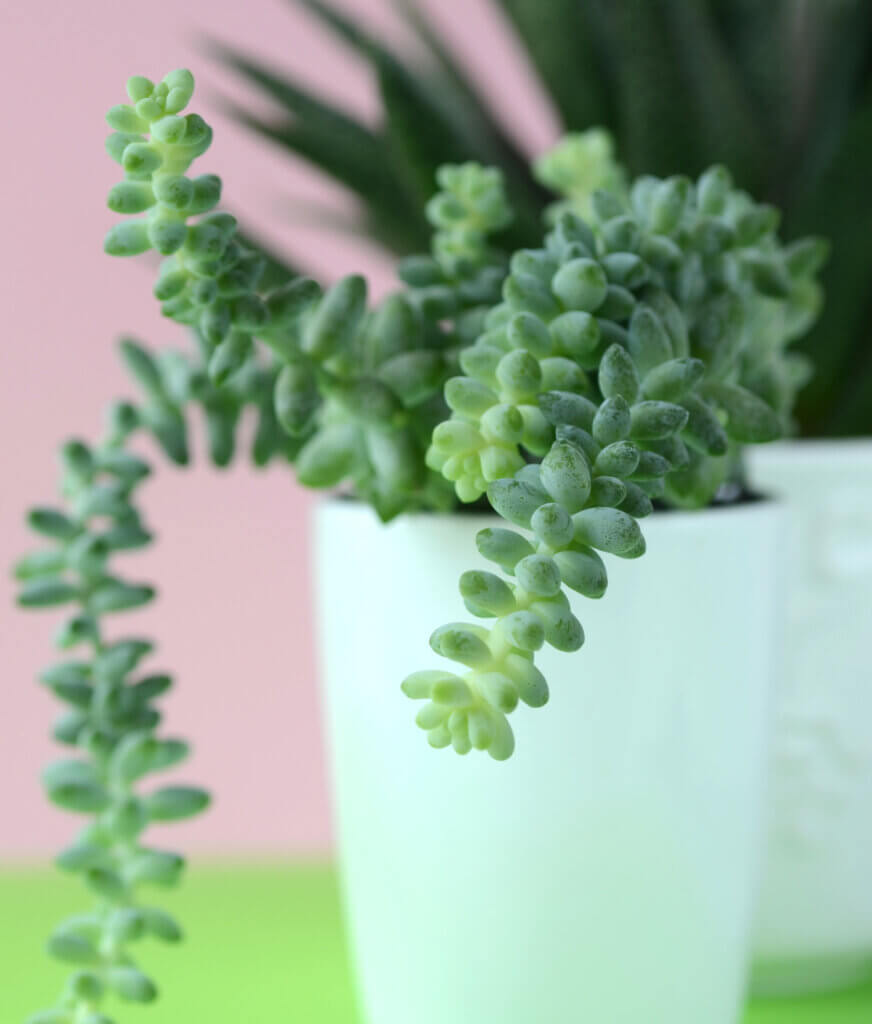
Burro’s Tail (also known as Donkey’s Tail) is a succulent characterized by rows of fleshy leaves that trail down the plant. It looks great in hanging pots.
Burro’s Tail does best in partial shade, where it gets morning sun. But it will also grow in full bright shade.
How To Grow This Plant:
Use specially formulated soil for cacti and succulents. When the top layer of soil is dry, it requires water.
2. Ponytail Palm
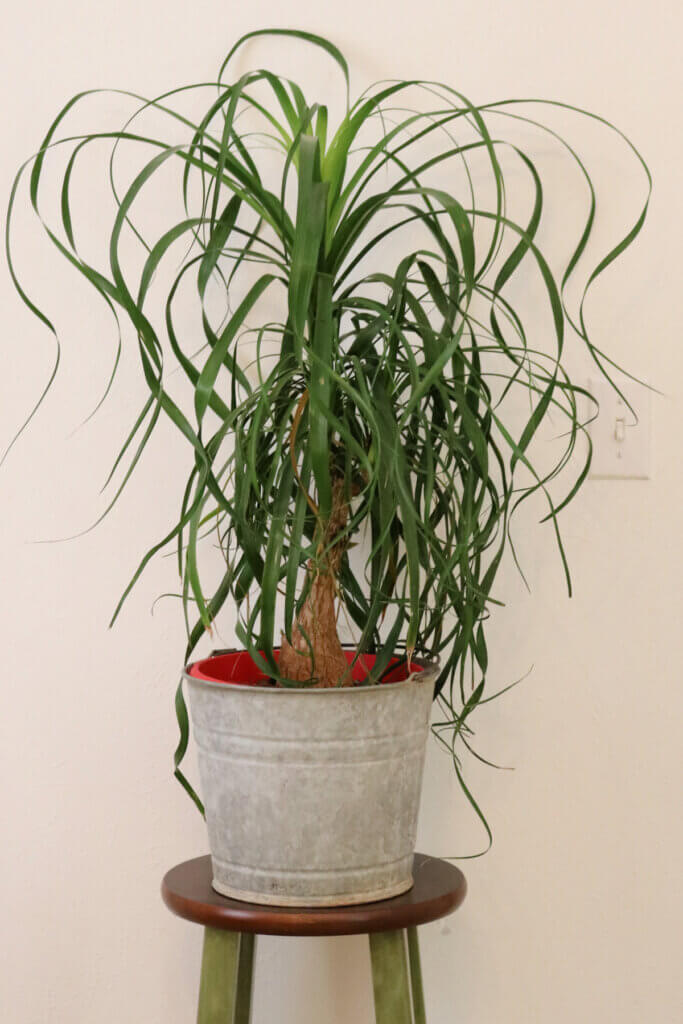
Ponytail Palm is not a palm, but a succulent. The water is stored in its trunk.
How To Grow This Plant:
During the growing season, you won’t need to water your plant more than once every two weeks (at most). Make sure that you let the soil dry thoroughly between waterings.
Ponytail Palms are susceptible to root rot, so it’s crucial not to water the plant if the soil is moist.
3. Jade Plant
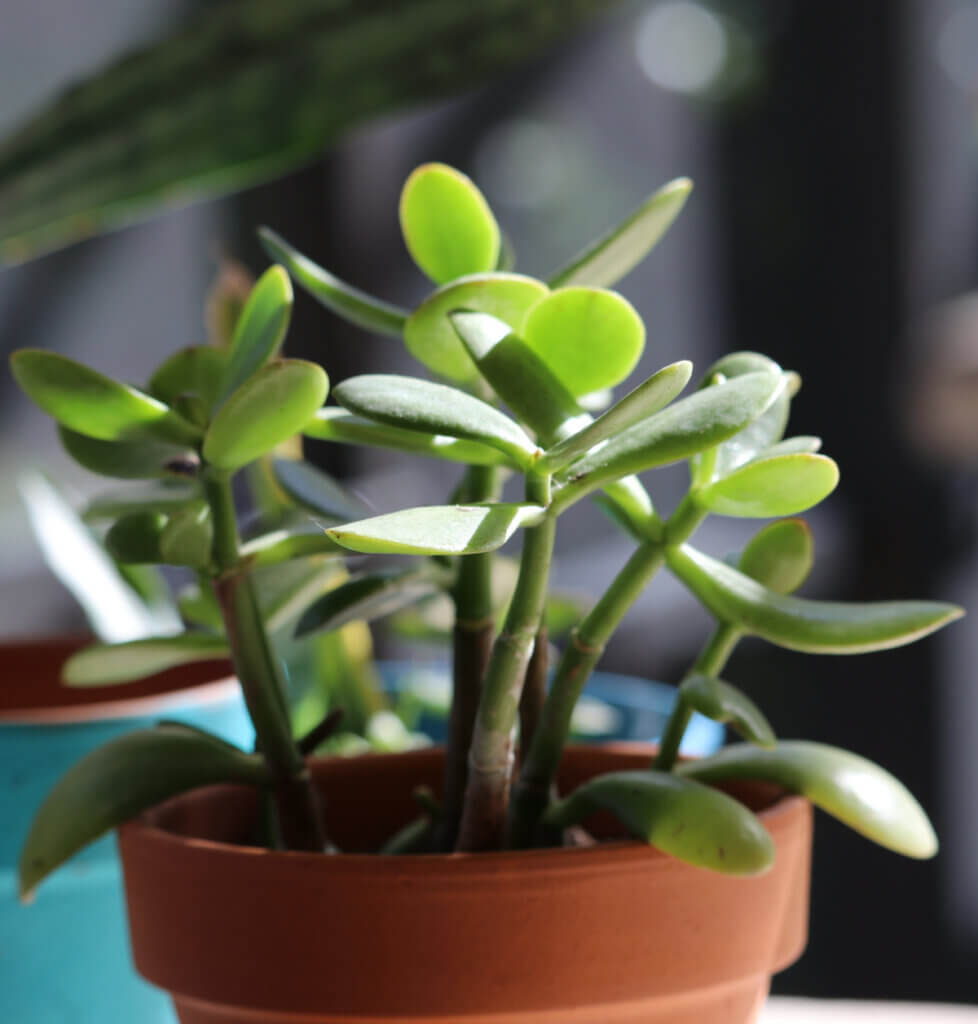
The Jade Plant is a shade-tolerant succulent. It will grow in full sun, partial shade, and full shade, but not in full shade.
How To Grow This Plant:
Plant in well-draining soil. Jade prefers to grow in dry conditions.
Jade plants in the garden will benefit from deep watering every week or every other week. I like to use this battery-operated watering sprayer.
This plant is succulent, but its foliage can become wrinkled and shriveled when stressed due to insufficient water.
4. Woodland Stonecrop
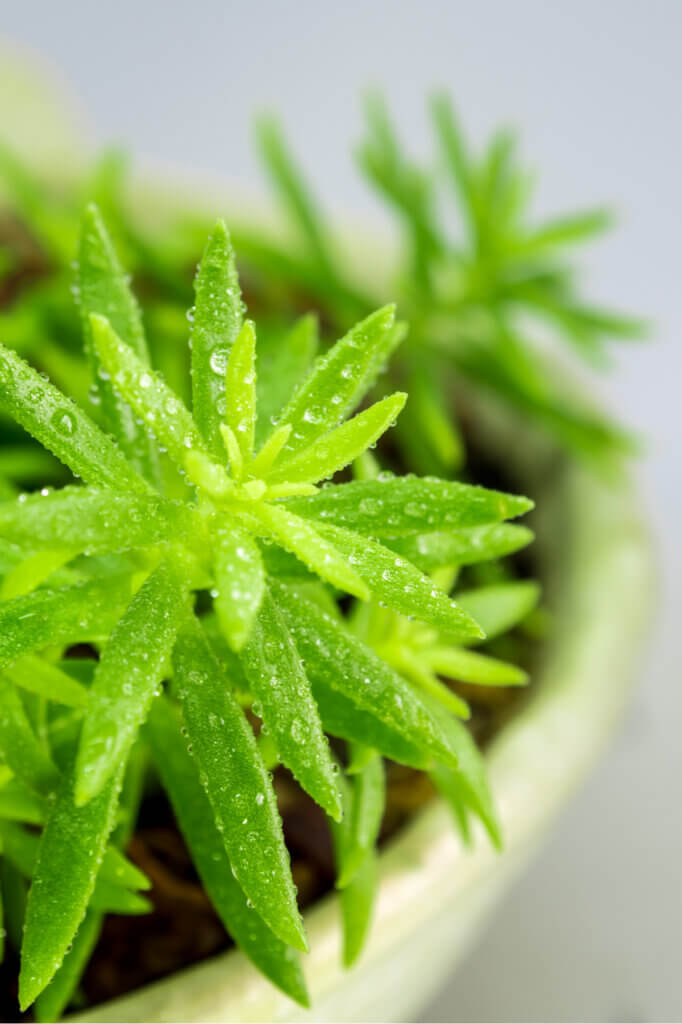
This succulent requires minimal attention and will thrive in almost any condition.
How To Grow This Plant:
Do not overwater this plant. If it’s grown in your garden, there is no need to fertilize it. It is also hardy in cold climates.
5. Christmas Cactus
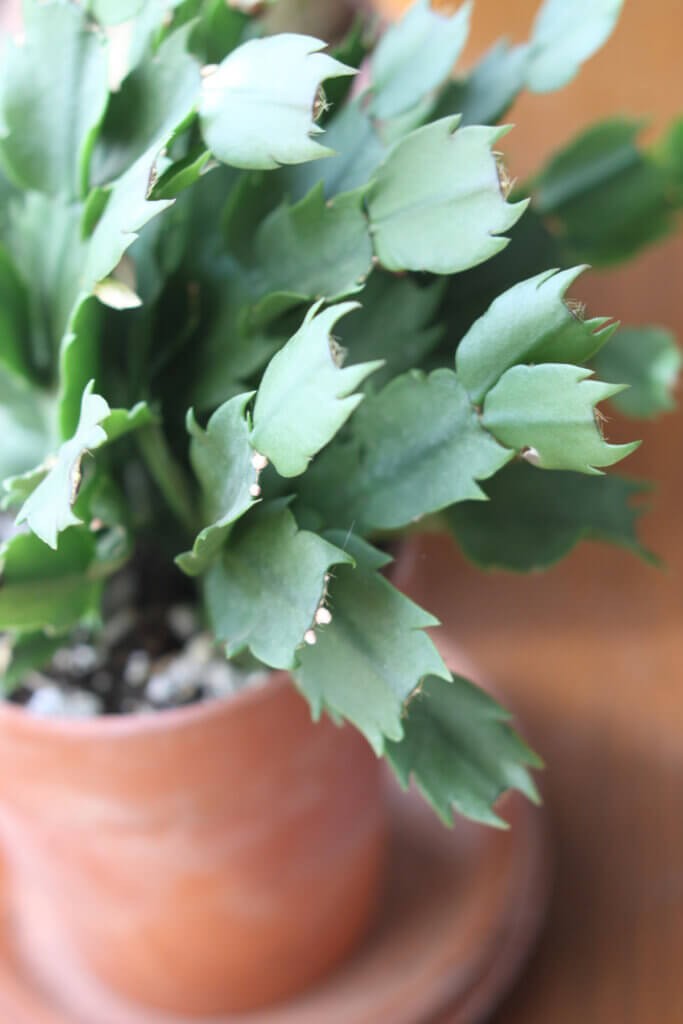
The Christmas Cactus will bloom in part-shade. It has tubular flowers in various colors and blooms around Christmastime.
How To Grow This Plant:
Water the soil when it is dry to the touch. It will bloom best in bright indirect light.
6. Spider Agave
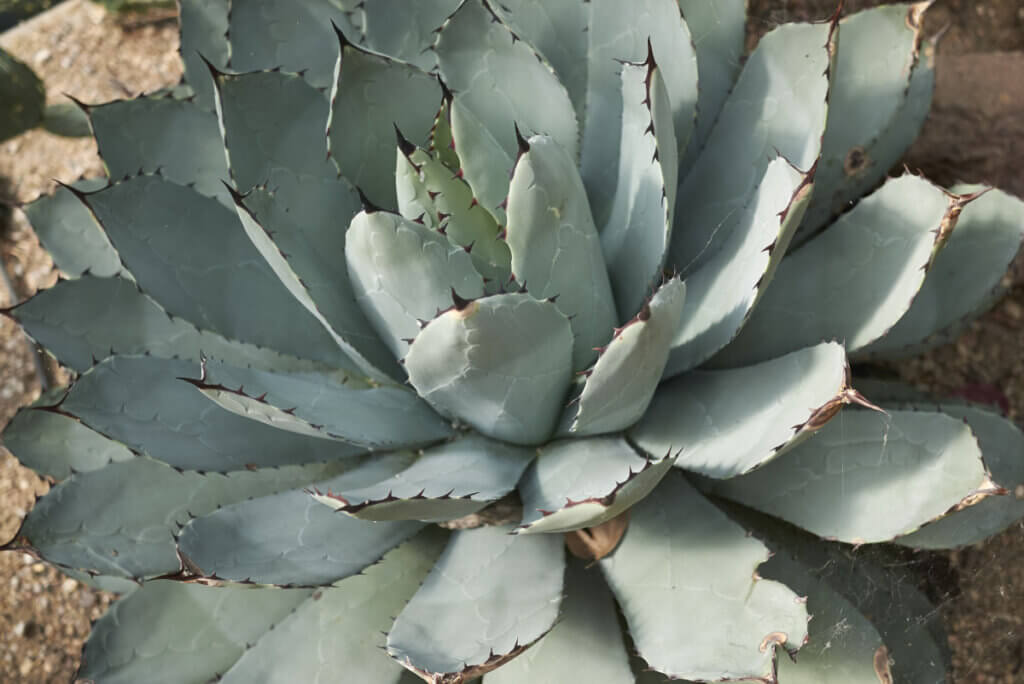
The Spider Agave (Agave bracteosa) is one of the best shade-tolerant agaves. It thrives in partial shade and is ideal for small planting spaces or patio containers.
How To Grow This Plant:
This plant grows well in bright shade to full sun. Use well-drained soil and don’t overwater.
7. ZZ Plant
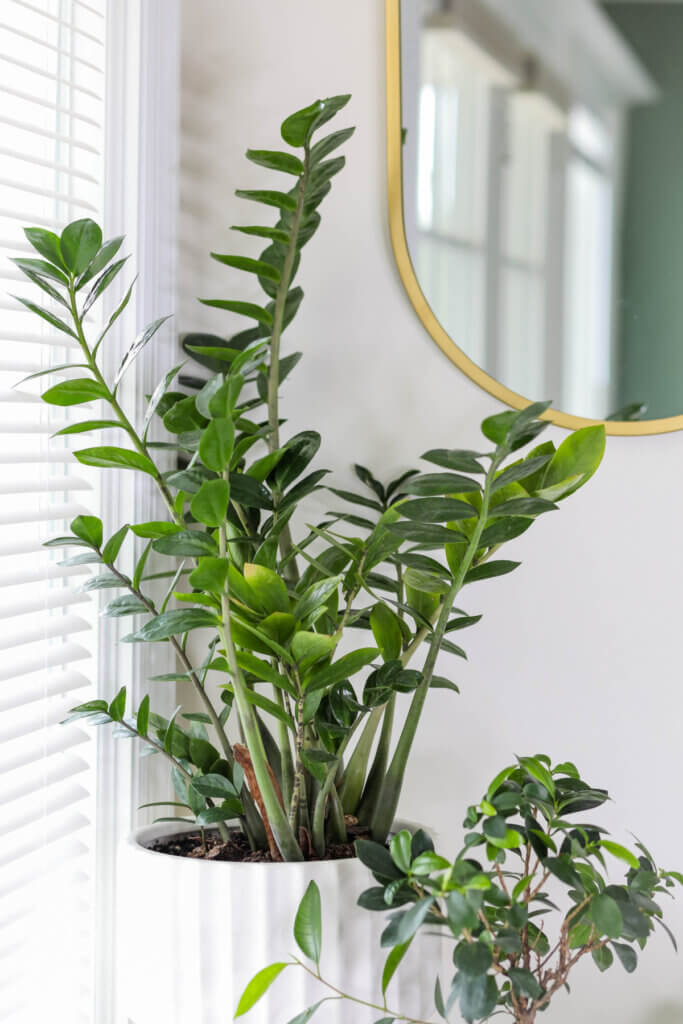
The ZZ Plant is native to the forests of East and West Africa. It grows from underground tubers. This tropical plant thrives in partial to full shade, grows slowly, and requires little water.
This is an herbaceous perennial, meaning it is planted in the ground, dies back to the soil level, and reappears in the spring. In many areas, it will not survive the colder months.
How To Grow This Plant:
The ZZ plant thrives under fluorescent lights, making it a popular choice for office buildings.
To prevent scorched leaves, avoid placing ZZ plants in direct sunlight. Use a loose potting mix with good drainage, and let the soil dry out between waterings.
7. Aloe
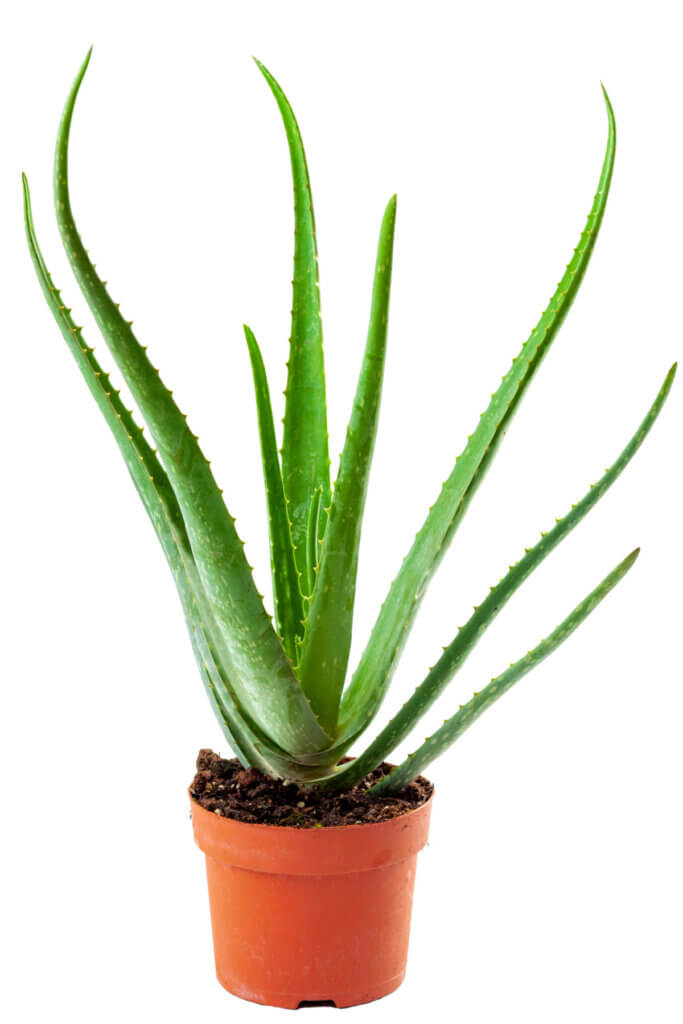
Aloe plants prefer full sun to partial shade, but they will tolerate bright indirect light. They don’t mind living in deep shade in hot climates.
How To Grow This Plant:
Water the soil when it is dry.
While it will grow in full sun, light or dappled shade will help prevent the thick leaves from turning red or brown.
8. Fox Tail Agave
The Fox Tail Agave is known for its tolerance to shade. This plant can grow about 5 feet tall. Its rosette-shaped leaves make it quite attractive even when not in bloom.
How To Grow This Plant:
The Fox Tail Agave grows easily in slightly acidic, sandy, or well-drained soils in full sun, but it also tolerates partial shade.
Store it in a frost-free area during winter and place it outside on the patio or balcony in summer.
9. String Of Pearls
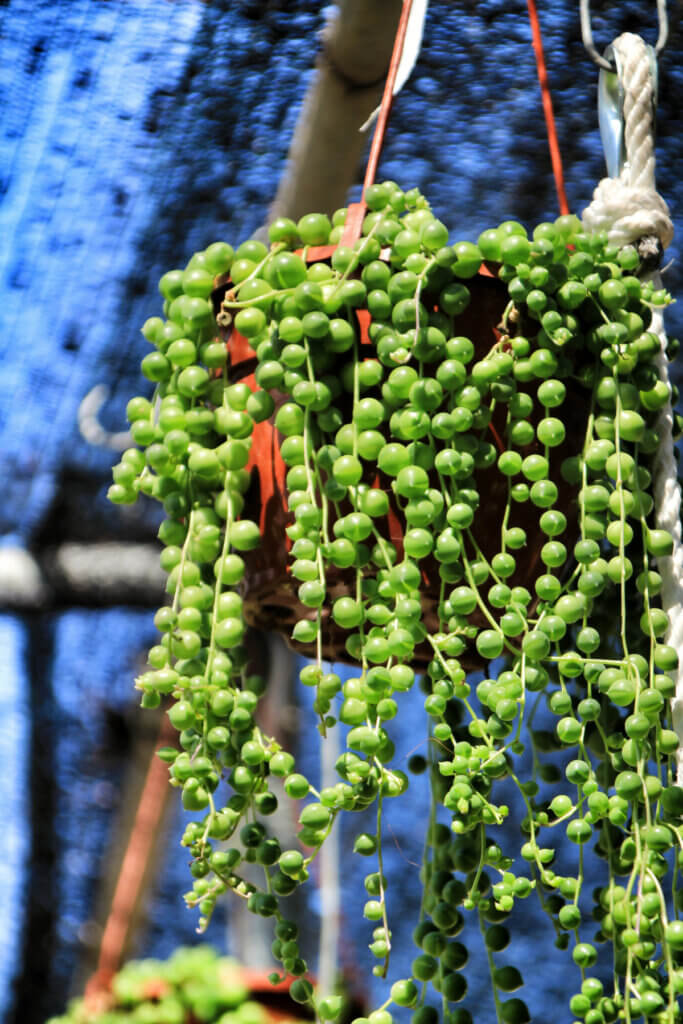
The String Of Pearls plant grows well when hanging in a planter in bright shade.
How To Grow This Plant:
Use cactus mix when planting it in containers. It has low watering needs.
10. Zebra Cactus
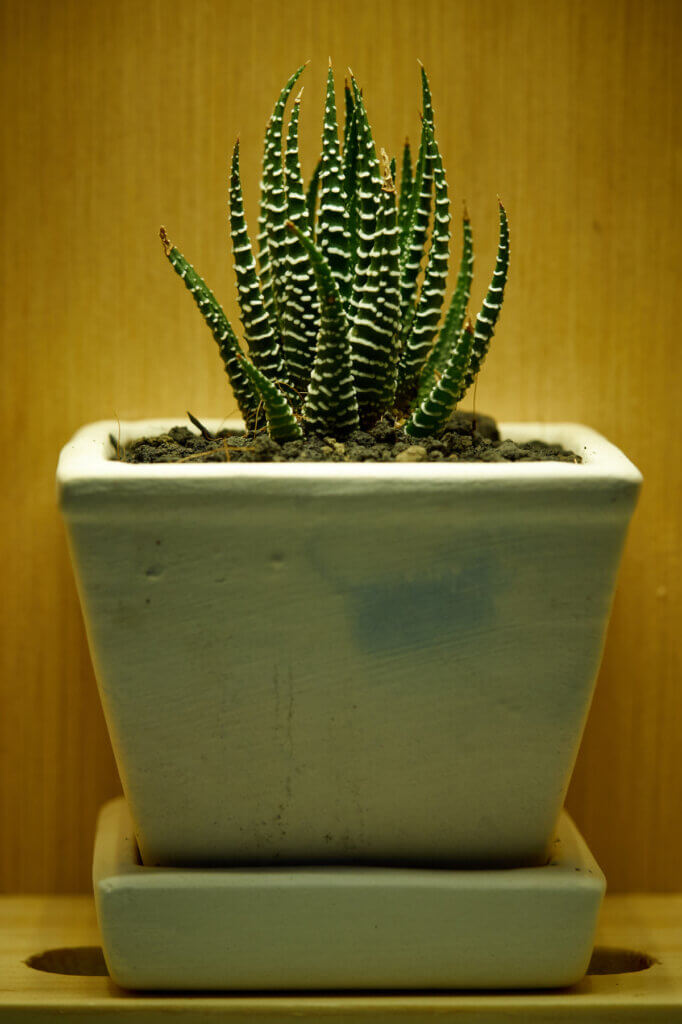
The Zebra Plant has attractive, fat foliage with horizontal stripes. It is a low-maintenance plant that can be grown both indoors and outdoors, even in partial shade.
How To Grow This Plant:
The Zebra Cactus has shallow roots. This plant grows slowly and doesn’t need repotting for a long time.
They’re often smaller, with deeper green coloring rather than pale or brightly variegated leaves. Darker foliage helps them absorb more of the limited light available.
Many shade-friendly succulents, such as snake plants and haworthias, have thick, fleshy leaves that store water, but they don’t require direct sunlight to stay healthy.
Others, such as gasteria and burro’s tail, naturally grow in the understory of larger plants in the wild, so they’re used to dappled light and cooler conditions.
These succulents are ideal for shaded patios, north-facing windows, or indoor rooms with limited sunlight. They bring the same sculptural beauty and easy-care appeal that succulents are known for, but without requiring full sun exposure.
Whether displayed in decorative pots, tucked into rock gardens, or arranged in creative dish gardens, succulents bring beauty with very little effort.
Their combination of fascinating textures, drought tolerance, and endless variety has made them one of the most popular plant groups for both indoor and outdoor spaces.
They offer a simple way to add natural charm, visual interest, and a touch of greenery to almost any home or garden
In summation, if, like me, you have more shade than sun, you can still have a succulent garden. However, you must first determine which plants will thrive in your region if left outside during winter.

Hi there
You are aware, I’m sure, that most of these are house plants?
I just don’t want anyone to try these outside, and waste their money.
Kathy
Oxalis is a good choice as mentioned above. I have some with pink flowers that bloom when it is cool and some with purple or white flowers that bloom when it is warmer. When I planted, I put both together so for much of the year, at least 1 is above ground & blooming. Some types of the purple can be planted in sun too. They are in the ground and in pots.
My sister has been in her new house for about 5 years and keeps dreaming about a shade garden once her trees get big enough. There’s a lot of choice for shade.
I love Christmas Cactus and have several in windows around the house. They propagate easily. The big one goes outside on the patio in the shade.
I think I will try the String of Pearls again. It is such a pretty plant.
Interesting…have never heard of some of them…wonder how easy it will be to find them locally to buy?
I’ve found a lot of plants are available to purchase online if you can’t find them locally.
My Mum always grew String of Pearls, Christmas Cactus, Aloe Vera and Jade Plant. Both my parents had green thumbs. Mum for house plants. Dad for the outdoor garden.
I like Bari’s idea for a low deck. That would look lovely and solve lots of issues.
I learned quite a bit about succulents. Thank you for sharing!
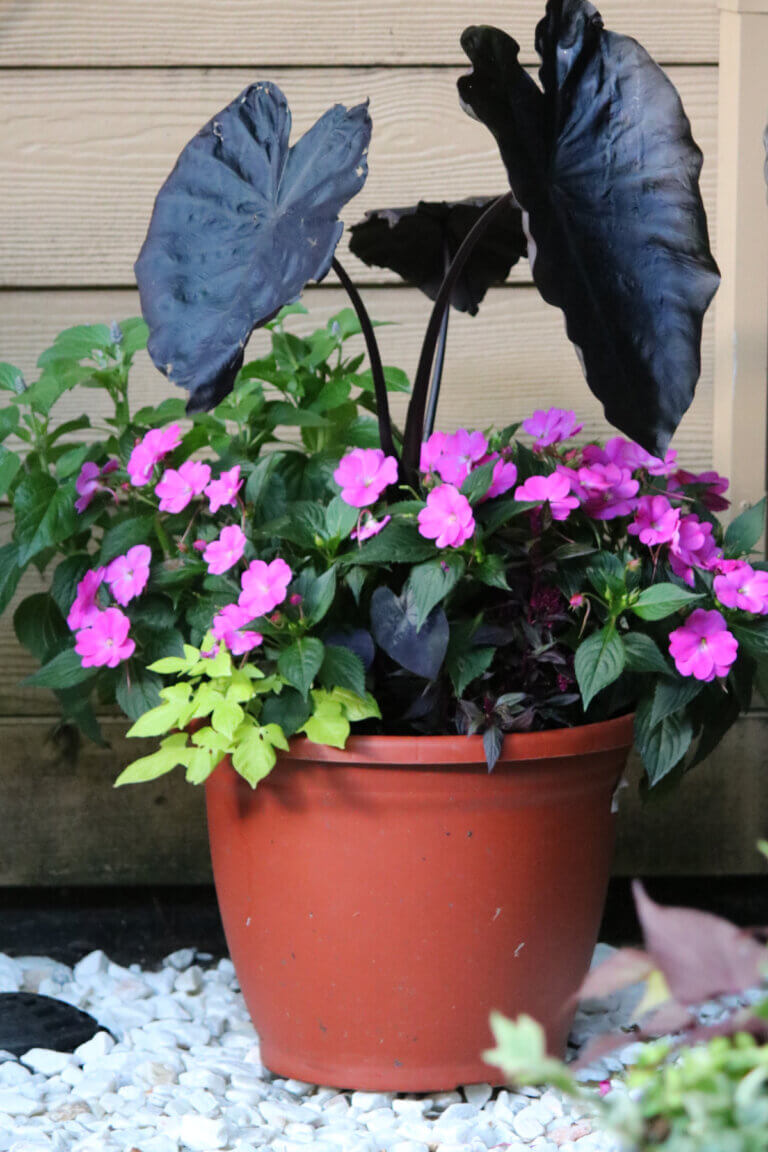
Caladium (aka elephant ears) grows well in shade and comes in several colors, has heart shape leaves. I can’t grow my garden is in full sun.
Watch out with ZZ plant, it can be quite toxic. Wouldn’t want the kitties to take a bite of it. Look for a succulent called “Ghost Plant”. It is cold hardy, and even survived being outside during our week long Snowpocalypse we had in Texas last year. Again this year, it survived being under ice for a couple of days, no problem at all. Very tough, morning sun is all it needs and looks beautiful in a container. I have a container placed on it’s side with the bottom buried (as if it had fallen over) and it is full of Ghost plant that cascades out of it like a waterfall.
I’ve never been successful here with String of Pearls; it’s quite persnickety. Other plants I have in dry shade, both in ground and containers, are:
Hydrangeas, Oxalis, Indigofera, Leopard plant, philodendron, Maple trees, Mahonias, Phillipine Violet, ground cover violets, Ajuga, Autumn Fern, River fern, Holly fern, and Aralia.
There are some very cool succulents in the ones you wrote about – really like that “string of pearls.” I have some kind of yucca that was in the garden here when I bought the house in 2014. It grows very well and survives the cold and snowy Wisconsin winters, keeping its color. It grows in the shade, but needs some sunshine in order to set flower stalks. Mine blooms every few years, not yearly, probably because it doesn’t get sufficient sunshine. The flower stalks are about 2 feet tall and very beautiful white, lasting for weeks. I started out with one plant in the backyard garden in July 2014 when I moved in and today I have 4 to 5 plants all clumped together but moving toward the shade underneath a vast arborvitae that is as big as a maple tree. The area is very dry because the arborvitae sucks up a lot of the water, so I supplement water with a dousing from a hose in that garden bed once or twice a week during high summer if it doesn’t rain. Because of the extreme cold and snow we get, I usually do some pruning as the growing season starts in April to remove raggedy or leaves that got bent and broken during winter, or where the rabbits chewed during the winter (they only try eating the yucca if they’re getting desperate for food). The plant is very hardy and is one of the standouts in my gardens. I don’t know what species it is, but there are some that tolerate mostly shade and they like drier conditions.
Thinking about your outdoor space – could you have a low deck built spanning both surfaces to bring them level?