

Daily Habits to Help Slow Us Down
This post may contain affiliate links. If you purchase through links on my site, I may earn a commission at no cost to you. For more information, please see my disclosure policy.
We all need daily habits to help slow us down for our physical and mental health. Otherwise, we’re just rushing through, a fast train on an endless track turning unlimited curves.

Like a hamster on a wheel. Stuck in a repetitive, endless cycle of busywork where we expend a lot of energy and time and have little to show for it.
Sometimes, it seems like the world spins so fast that it’s almost a blur. And the faster it goes, the more we tend to speed up.
We need to learn how to stay present in the moment. But that’s easier said than done.
So, what are some ways to consciously slow our daily habits? One way is to elevate the everyday. Look at everything with new eyes. Appreciate what you have.
Making Choices:
We’ve been multitasking our whole lives, especially if we had children. Now it’s time to slow down and be more intentional about the choices we make. In other words, think about yourself and what you want out of life.
I’m guilty of multitasking too much. I dented my front fender months ago because I was trying to drive while dealing with my seat belt. I wasn’t going fast because I was about to turn into my driveway, but I hit my neighbor’s car that sits in the street.
However slowly I was driving, my brand-new fender, which had recently been replaced at the body shop, crumpled like a piece of paper. I wasted several thousand dollars on body work because I couldn’t focus on one thing at a time.
So now I try to just focus on driving and enjoying the scenery.
5 Core Rules of Mindfulness Techniques:
- Mindful breathing
- The 5-4-3-2-1 grounding technique
- A body scan
- Mindful walking
- Single-tasking during daily routines
Mindful Breathing
Focus only on the air moving in and out of your body. Note the rise and fall of your chest.
5-4-3-2-1
Look around you and name 5 things you see, four things you can feel, three things you hear, two things you smell, and one thing you taste.
Body Scan
Slowly move your mental focus through your body, from your head down to your toes. Note any tight spots or warmth in your muscles without judging them.
Mindful Walking
Pay close attention to the physical feeling of each step. Notice your feet touching the ground and the movement of your legs.
Single-Tasking
Choose one routine task like washing dishes or eating a meal. Focus all your senses on the smells, textures, and movements involved instead of rushing through your task.
Myths about Mindfulness:
Myths about mindfulness can distract us from the experience.
Myth 1: You Have to Clear Your Mind
You don’t have to clear your mind. Mindfulness is about noticing your thoughts as they are and letting them pass without getting caught up.
Myth 2: You Have to Sit Still with Your Legs Crossed for Long Periods
You can practice mindfulness sitting, standing, walking, or lying down. You can be mindful by focusing on any task you are doing or any emotion you are feeling as you go about your day. Even brief moments of mindful awareness during daily activities count.
Myth 3: It Takes Too Much Time
Mindfulness can be as simple as taking a few deep breaths and being present in the moment.
It may be a few minutes you spend quietly with your thoughts. Or you can do a 30-minute body scan or sit in a quiet space for an hour to unwind and relax after a busy day.
How much time you give to mindfulness is up to you. Research shows that even 10 minutes of mindfulness makes a positive difference.
You will soon find that you have better focus because you’re teaching your mind to refocus when it wanders. You’ll have less stress and more awareness and control.
When you’re more aware of your emotions, they are easier to manage. You’ll find your mood improves and you have more energy overall.
It may help you feel more connected to the present moment and less drained by negative thoughts.
Everyday habits reduce stress over time. If your stress has no outlet, it can become overwhelming.
Overcoming Stress:
Overcoming stress doesn’t mean a complete overhaul of your life.
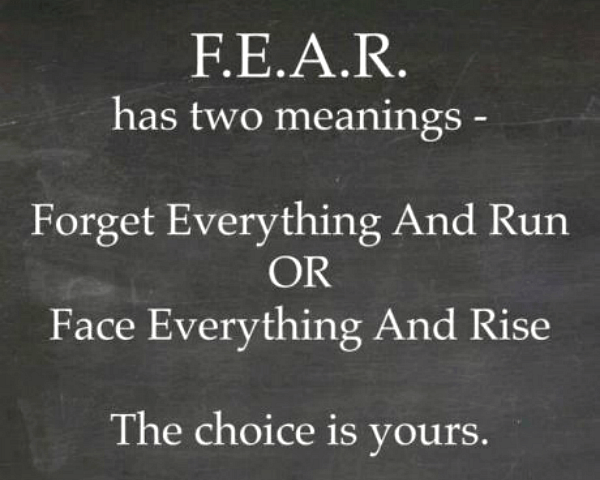
With brief moments of breathing, movement, mindfulness, and reflection, you can become stronger and more resilient. You can use your breathing to quickly influence stress levels.
Other things you might do include downloading a meditation app and/or writing down your thoughts.
Eliminate things that are actually unnecessary for you to do. Don’t say yes to every task someone asks of you.
When there’s nothing in front of me that needs doing, I tend to feel a little uncomfortable. As though there’s something wrong with just being still. But sometimes we just need to clear away the clutter in our minds to see what’s in front of us more clearly.
No one says you have to be doing housework or pulling weeds in the garden all the time. Stop and think before you fly through your house trying to clean everything at breakneck speed. Break these tasks into manageable and slower steps.
It’s hard to be creative when you have a jillion things roaming around in your mind. Take time to process the here and now. This will help you break free of the guilt of simply doing nothing.
Sit down near a window and watch the birds. Or go outside, sit down, and make yourself fully aware of everything around you.
This is how you unplug. Leave that phone indoors or turn it off.
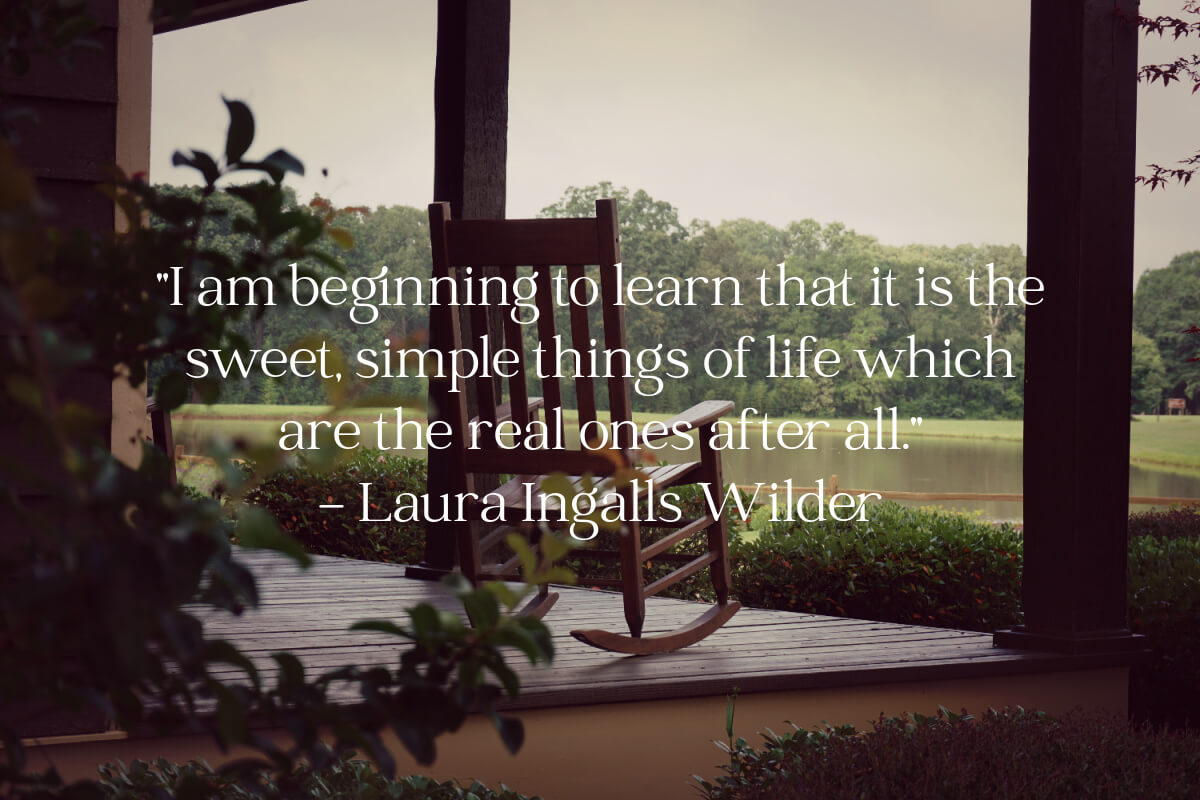
Simple living is a quality of life you reach when you slow down enough to enjoy what’s happening. For me, it’s an old-fashioned slice of nostalgia for how things used to be. It’s attempting to recapture that slower pace of life.
If you’re yearning for the feeling of that slower and simpler time, bring it back into your life in small ways.
You can’t turn back the clock, but you can learn to live within the parameters of the here and now and learn to enjoy it more.

Learn to Reset + Recharge:
Sometimes you must have stillness and quiet to reset and recharge. Then you’ll see things more clearly. You’ll find creativity creeping back into your life.
It’s good to sit down at a table and create with tools like paper, fabric, or paint, and shift into create mode. Relax into the rhythm of movement and doing.
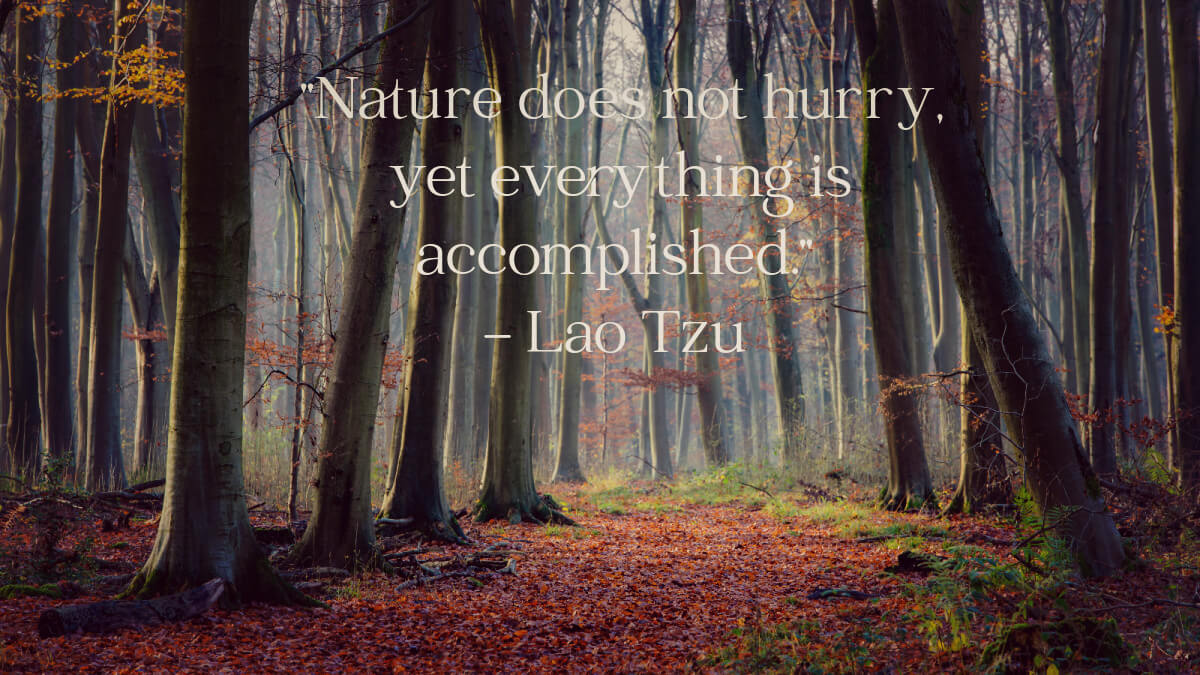
Life is too short to mindlessly rush through it. Learn to slowly savor the moments right in front of you.




To outscore your opponent before the match timer hits zero is the primary goal of Basketball Stars. On the court, players must make snap judgements while dribbling, shooting, stealing, blocking, and defending.
basketball stars
I think I’ve mastered this concept. If I get any slower someone might throw dirt in my face.
Hi, recommend explore the excellent gamification structure implemented at https://surewin-my.my/ right now. The portal features a brilliant check-in routine and rewards active profile milestones with extra benefits. It ensures incredible long-term value, making your everyday short relaxation sessions much more engaging.
This was such a good article today, Brenda. It’s a nice reminder to just slow down relax and just be in the moment. We’re always so busy multitasking these days to maximize every moment of our day but it’s so important for our mental health to just relax.
I am a big fan of slowing down and not feeling a bit guilty about it! Slowing down and resting helps my mental and physical well being. I have been decluttering big time for the last few years and it has paid off making cleaning easier. I also enjoy what I have out on display in my home rather than having lots of items getting lost in the mix. I count my blessings every day. Have a good weekend everyone!
Ditto to everything you wrote!
All excellent suggestions and ideas. And timely. I could use all in a single day these days!
Me too. I have to make myself move slow, period.