Summing Up Life in the 1960s
This post may contain affiliate links. If you purchase through links on my site, I may earn a commission at no cost to you. For more information, please see my disclosure policy.
If you didn’t grow up in the 1960s, I’ll do my best to sum up what life was like back then. It’s my personal view, anyway.

I grew up in a small town in Oklahoma. The name “Oklahoma” comes from the Choctaw words okla (people) and humma (red), literally meaning “red people.” This name reflects the region’s rich Native American heritage.
I have random childhood memories from summers in the 1960s. I remember fireflies and front porches with rocking chairs.
Things I Remember of the 1960s:
I recall sheets drying on the clothesline. They smelled like the wind and a whiff of grass. If I had to name the scent, I’d call it freshness.
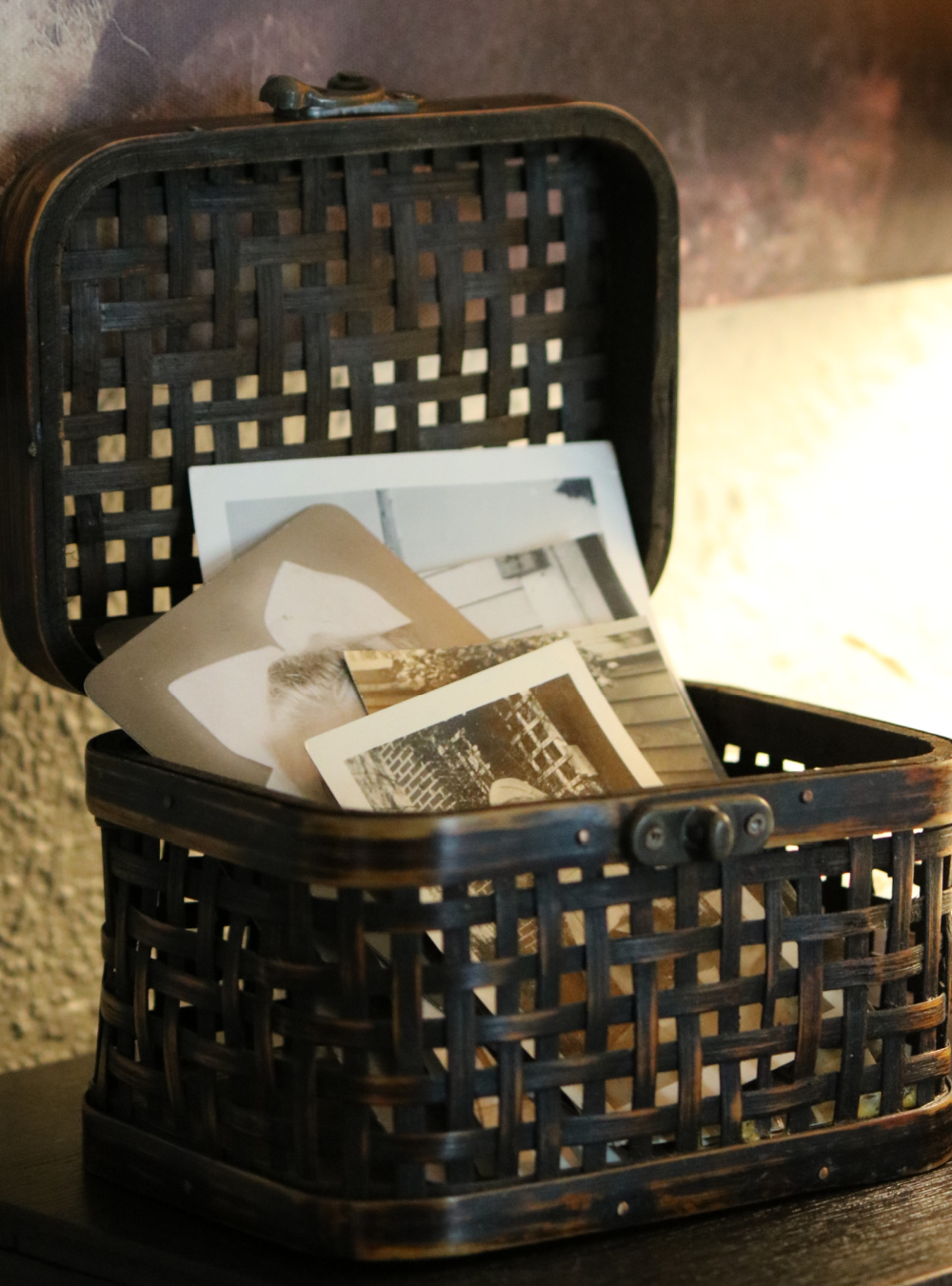
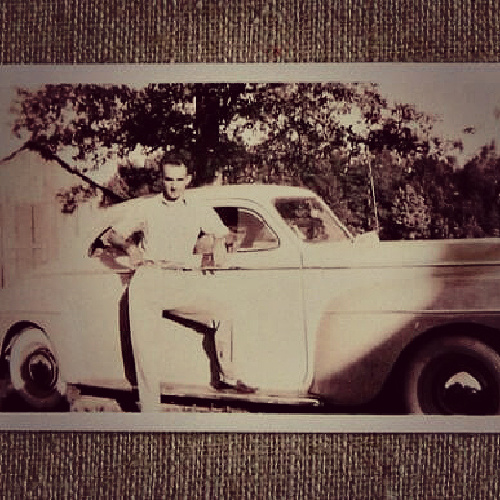
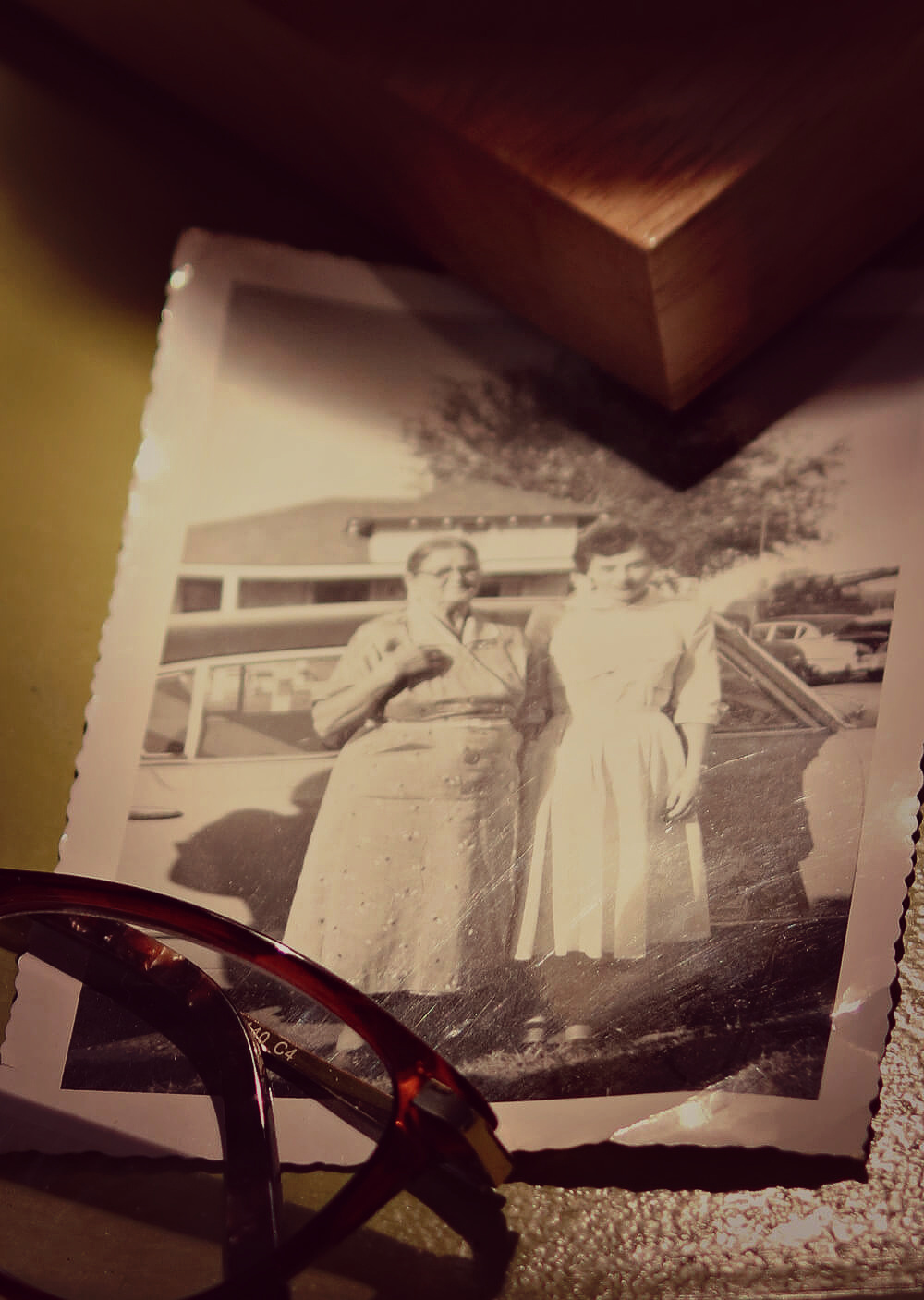
I remember a long black-and-white military photo that hung on the wall, pinned forever in place for the sake of history.
The sound of cicadas rose and fell, a cadence to the dwindling days of summer before school began again. There was the chirping of frogs down by the big garden. Birds sang to one another up in the trees.
Countryside Meanderings:
Growing up in the 1960s, life moved at an unhurried pace. I remember the sound of screen doors opening and closing. That flat smacking sound against wood lives in my mind forever.
Summer days stretched endlessly beneath bright blue skies. Bare feet ran through cool green grass, and lightning bugs danced across the sky on warm evenings.
Trees became castles, vacant lots turned into kingdoms, and a simple cardboard box could spark hours of imagination. No smartphones buzzed for attention. No social media to pose for.
Kitchen Memories:
The heart of every home is, of course, the kitchen. Where hearty meals were made from scratch while radios played familiar tunes in the background. The comforting scent of fresh biscuits, a pot of beans simmering, or apple pie drifting through the house.
Television was an event, not background noise. Families gathered together to watch their favorite shows on a single television set before saying goodnight.
Those familiar routines brought comfort. The ticking of the kitchen clock, the soft glow of a porch light, and the reassuring feeling that tomorrow would be much like today.
Each season carried its own traditions. Spring meant fresh flowers blooming along country roads. Summer brought vegetable gardens, homemade lemonade, and long evenings chasing fireflies.
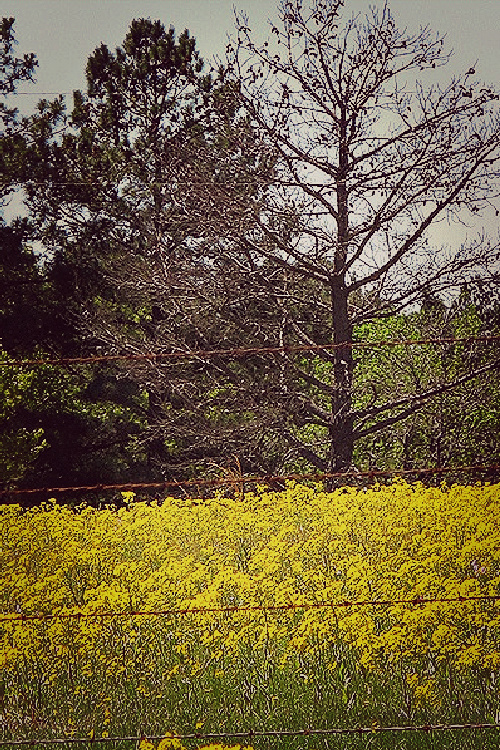
Autumn arrived with the nostalgic crunch of leaves beneath your feet and cool breezes through open windows. Winter meant strong, bitter winds and occasional snowstorms. Spring meant thunderstorms and tornado warnings.
Growing up in the 1960s wasn’t perfect, and it wasn’t without its challenges, but childhood often felt less complicated. Joy wasn’t found in expensive toys or constant entertainment. It was discovered in the ordinary moments.
Climbing trees, reading library books, waving at passing trains, collecting pretty rocks, and lying in the grass watching clouds drift overhead.
But time passes, and it continually moves forward.
Reflecting on Another Time & Place:
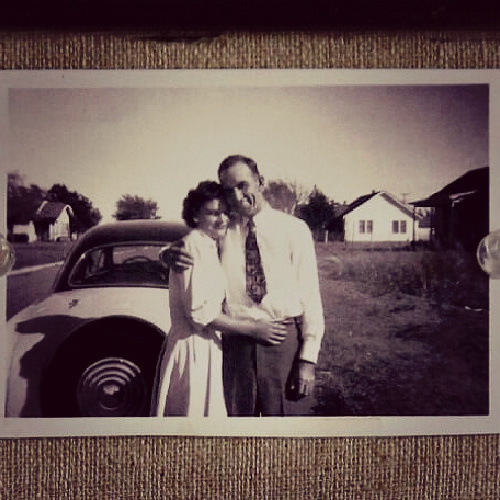
Perhaps that’s why so many people look back on those years with such affection. It wasn’t simply the decade they miss. It was the slower rhythm of life and the deeper sense of community.
The freedom to spend entire days exploring the world with nothing more than curiosity and imagination.
Life isn’t simple anymore. Smartphones and tablets have replaced worn library books and family photo albums. The world isn’t outside your door, where you can shut it out whenever you want.
Now it’s in your face 24/7, with an uncontrollable urgency that is often frightening. That military photo hanging on the wall was from another time, another generation. It was from a time when men fought with guns instead of drones.
The Air Held a Hint of Promise:
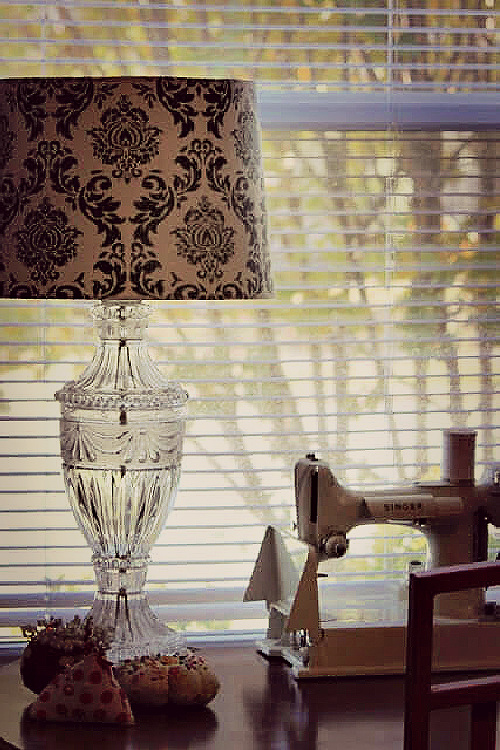
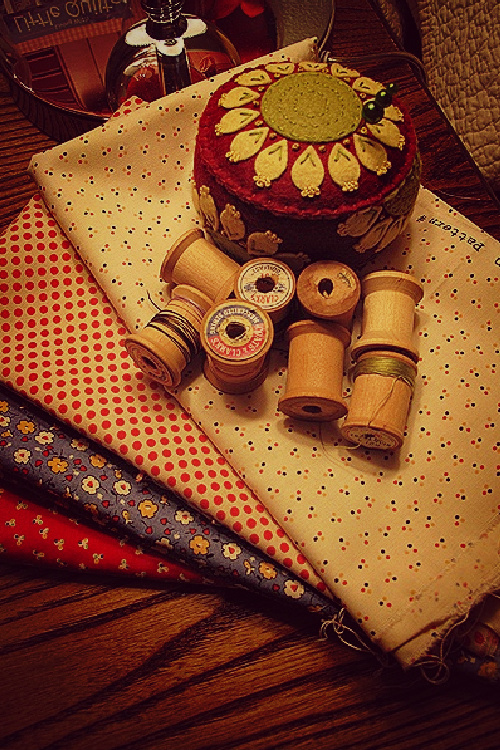
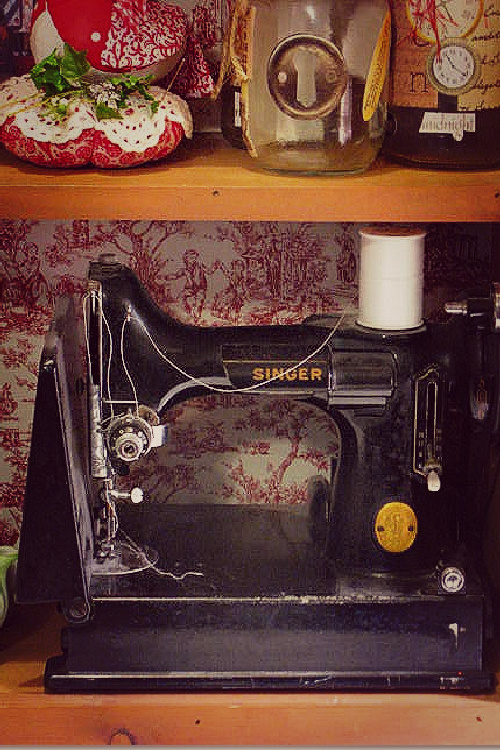
Clothing was made at home on an old treadle sewing machine. Bed pillows and table runners were embellished with fine embroidery and mostly kept for when company came.
The air held promise, with less uncertainty and more optimism. The future was an empty canvas, to be filled with raising children and becoming a strong community citizen.
Holidays were more simplistic and less stressful. There were family dinners cooked from recipes written on white index cards.
Families drove to their relatives’ homes in big, long cars that were popular back then. The kind that guzzled gas, but gasoline wasn’t very expensive back then.
Texting wasn’t even on anyone’s mind back then. That kind of future seemed far away, on a path that we didn’t even have a possible trail to.
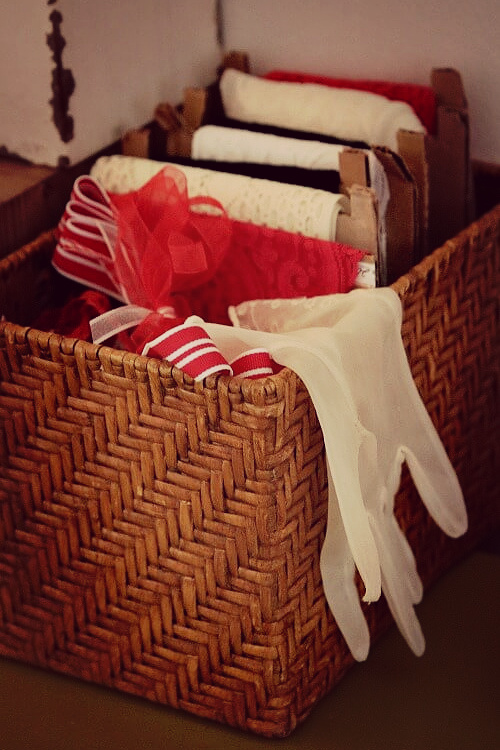
There was a time when differences didn’t seem to dominate every conversation. People still disagreed, but they often set it aside long enough to borrow a cup of sugar or wave from the front porch.
Shared Traditions:
Communities found common ground in shared traditions, local events, and simple acts of kindness.
Every generation faces its own struggles, injustices, and divisions, but many people remember a stronger sense of togetherness. People followed memorable traditions.
Neighbors looked out for one another, and conversations happened face-to-face instead of through screens. Friendships were often built on mutual respect rather than political opinions or social differences.
Looking back, what many people probably miss isn’t the absence of conflict but the presence of grace and dignity. There seemed to be more room for listening, forgiving, and extending kindness even when opinions differed.
It’s a reminder that while we can’t return to the past, we can choose to bring timeless values like compassion and respect into the way we live today.
We can choose to do our part to make the world a better place through pure altruism. Without the thought of something to be gained in return. We can be part of a whole.
Long Ago Memories & Old Barns:
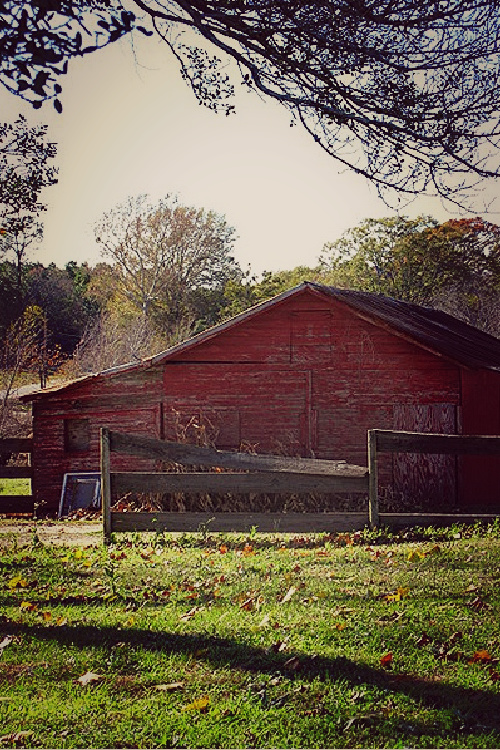
Looking back on the 1960s, I see that era as a relic of another time. Like one of those old barns you come across in the countryside.
More than an aging structure, an abandoned barn symbolizes an era when communities were rooted in the land.
Old barns were often left to the elements. Every leaning beam, rusted hinge, and patch of peeling paint seemed to preserve a chapter of the past.
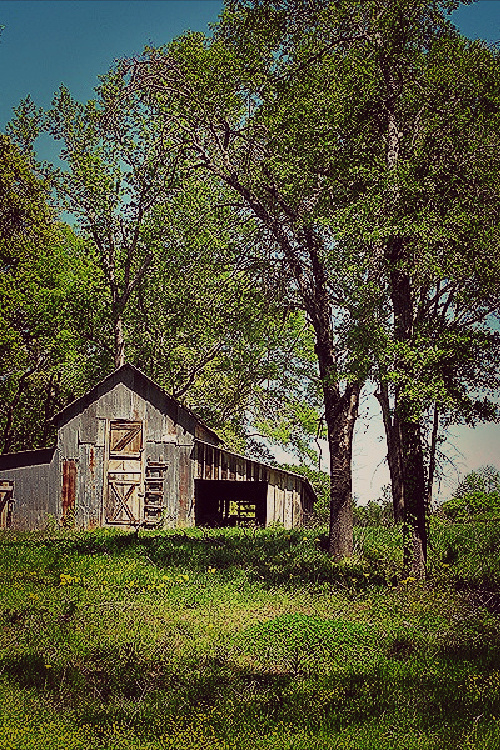
Wildflowers now bloom where wagons once rolled. Vines climb the walls that once sheltered harvests gathered by hardworking hands. Life’s seasons were measured by planting and harvest, not calendars and clocks.
In their silence, these old barns continue to tell stories of a rural heritage that deserves to be remembered long after the last board has fallen.
That era claims space in family photo albums, made worn and stiff from being handled over time.
Life is much like a quilted tapestry, stitched together from countless moments that, on their own, may seem ordinary. Every experience becomes another patch. Some bright with joy, others faded by time, and a few darkened by heartache.
Over time, the tapestry grows richer. What once looked like scattered pieces begins to reveal a meaningful pattern. It reminds us that every chapter has a purpose.
In the end, life becomes a quilt wrapped around our memories. It is a comforting reminder that every experience, every relationship, and every season has helped create the masterpiece we call our story.
The threads that bind our tapestry together are the lessons we gather along the way.




I loved reading your thoughts; which led me to my memories. I grew up late 60s – early 70s. We played outside all day long until our parents would yell for us to come in because it was getting dark. I was allowed to ride my banana-seat bike to the library when I was in 3rd grade (like 2 miles away), and while I didn’t live in the country, my grandparents did. When I was in my 20s I often brought friends to visit my grandparents and they couldn’t get over how we took long walks together, sat on the porch swing and just talked. Thursday night was “TV night” — Little House on the Prairie, the Waltons, and I think Kung-Fu. Anyway, thanks for stirring up my mind. I’m glad I grew up then and experienced life in that way.
You made us all think back on all our lovely childhood memories. Things were way less complicated back then. It makes you wonder what the current generation will look back some day and remember. Will they feel as fondly about their memories as we do?
Thanks, my friend. This helped me relax and remember some sweet and wonderful days. No matter what, we had some really great memories!
Beautiful memories of growing up in the 60’s…I was a little girl then, so I remember the 70’s better. And have very fond memories of that decade. Life was so much sweeter back then, in many ways. I loved the freedom of playing outside all day (and evening!) with all the neighborhood kids. We were safe and carefree. No phones or constant TV shows to distract us. We used our imaginations and played “house” (me, my sister and best friend had a special edition that we called “Debbie and Mrs Blue – I think Mrs Blue was the landlord, lol), “vet” (using all our stuffed animals, made haunted houses in our garages for Halloween, played cops & robbers (I guess you couldn’t do that nowadays), four-square, hide and seek, kick the can, rode our bikes, roller-skated, played on pogo sticks, made up our own neighborhood Olympics…ah, the memories!
Thanks for this post. About week ago there was a post titled, “Stop being nostalgic. Things were never that great.” It actually perturbed me, because I found it false unless you don’t like history or only base it on political type subject matter. The world was always in turmoil, politically. But the article was making a generalization where it shouldn’t. I think every era tends to go down the tubes as it moves along and some eras redeem themselves. But honestly, overall people, at least as long as I’ve been alive along with my mother’s era, were nicer, kinder, more involved in their families, intentional, not glorifying busy, or buying stuff for that matter, good customer service, not chasing bigger and better and certainly not with their faces in their phones. Nostalgia is what keeps me going. The good stuff, the pegs on which to hang on to in this crazy current world frankly, is a godsend.
You describe it well, Brenda…I also grew up in the 50s. People had respect and good manners…those things go such a long way to having a peaceful life. It was certainly generally a less hurried time…but we did not have a TV either (my dad considered it a total time waster and of almost no use tho we did go as a family from time to time, over to my grandparents to watch something, such as when man first walked on the moon which so impressed my grandparents who grew up before cars even)…so of course, there was more interaction between us and others. I still have extreme gratitude and memories of my times spent with my grandparents and great grandparents. And we certainly did laugh more.
All of this is something that is very rare now among our culture.
Life seems to move too fast now.
Memories have a way of healing our hearts & souls . Our bodies sigh a relief !
Sweet post Brenda
Yes, they do!
This was a lovely post, Brenda. We were so blessed to grow up in the 60’s !
Even my girls grew up before the internet explosion. I’m so glad they didn’t have that along with social media.
Really beautiful text, Brenda. Some words remember me Ray Bradbury, description of little u.s towns and landscape… très apaisant in this crazy human world. From France 🙂
Those little towns seemed enchanting looking back now.
Brenda, Thank you for bringing back so many memories from our early years. We grew up during the best times I would say and you described it all so well. I remember doing so many of the activities that you described, and family was close and the very best, as our neighbors were as well. Life sure is different in these times today.
They sure are! We could not even have contemplated what is happening now.
I miss the anticipation. Everybody wants everything yesterday now . Lovely post .
Yes! Everything is right now, and anticipation is lacking.