
Fall Chores To Do In Your Garden
This post may contain affiliate links. If you purchase through links on my site, I may earn a commission at no cost to you. For more information, please see my disclosure policy.
This time of year, I get sick of looking at all the dead plants and start my fall chores in my garden.
I go to town with my shears. However, I know I need to leave foliage for the birds and wildlife in winter.
I cut my plants back about a month ago. But it’s cooling off now, and most of the ones I’d like to have grow back are going strong. They will go dormant for winter and then emerge again in the spring.
Particularly, the containers of ornamental grasses. They have grown at least a foot!
Ornamental Grass:

Cut back cool-season ornamental grasses in very early spring. Leave their foliage in place until spring, and as soon as there is no more snow in the forecast, cut them back. Leave about 1/3 of the plant in place.
There is a need to cut the plant back to encourage new flowers. So don’t go too wild when cutting back dead foliage if you have many winter months ahead. The birds will appreciate the cover you leave for them.
Rather than cutting back all of your perennials now, leave plants with seed heads, such as coneflowers, asters, and ornamental grasses. These will provide food for your feathered friends through the harshest months.
Make sure your garden includes native trees and shrubs with late-season berries, such as hawthorn, viburnum, and beautyberry. This is for seasonal color as well as additional food for wildlife
Cut Back These Perennials In The Fall:
Iris: While you can cut back iris leaves and stems after they have bloomed, it is best to leave the foliage on the plant until mid-fall, allowing it to regain energy to survive the winter and rebloom the following year.
Bee Balm: In the fall or winter, you should prune bee balm after it has died back. Take it back down to just above the soil’s surface. This allows you to clean up dead plant material, prevent powdery mildew, and, for perennial varieties, resume signs of new growth in late winter or early spring.
Phlox: It is a good idea to cut phlox back in late fall to reduce the risk of powdery mildew. Phlox is susceptible to powdery mildew, especially when the foliage is wet for prolonged periods.
Columbines: The best time to cut back the whole Columbine plant is in the summer after it blooms. Once the green leaves begin to die, remove the foliage.
Blanket Flower: You should cut plants back, deadhead blooms, and pinch off blanket flower blooms in late fall. This will keep plants from wasting their energy on new blooms.
Wait Till Spring To Cut These Perennials Back:

Butterfly Bush: It’s best to prune the butterfly bush in early spring.
Coneflowers: Leave these plants alone until spring so the birds can feast on the seed throughout winter.
Astilbe: This plant will keep its greenery through winter, so wait to cut it back until spring.
Dianthus: In warm climates, dianthus will give you blooms in both spring and fall. And they look good throughout winter.
What to Plant in Containers for Fall?
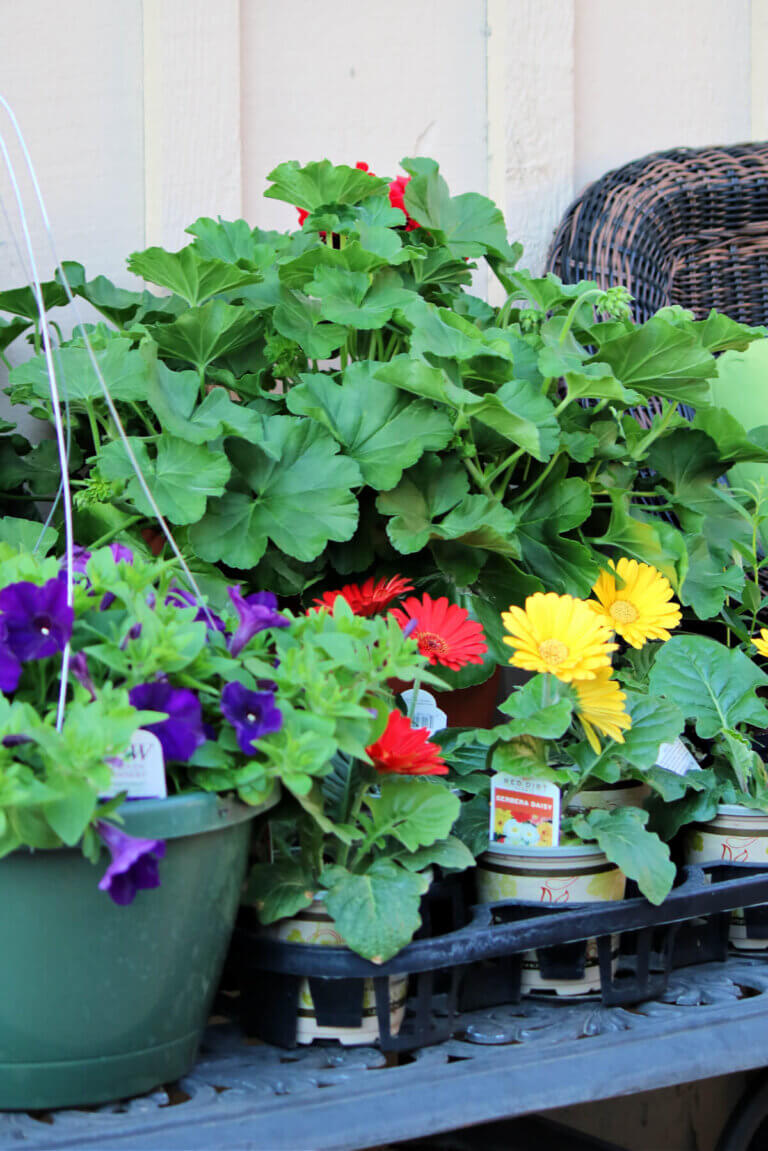
Now is the time to take advantage of end-of-season sales on perennials and some summer annuals to add to your containers. Select dark-leaved heuchera and sedum to pair with pansies and asters. Bronze-colored sedges and purple annual grasses look great when planted with kale, cabbage, or mums.
How do I Winterize Container Plants?
Sink the plant’s pot into the soil. Make sure the pots are well watered, then mulch them to a depth of 6 to 12 inches with straw, leaves, hay, or shredded bark. The roots will be protected by the moderating effects of the surrounding soil.
Move Perennials:
Now that the weather is cooler, it’s a good time to divide and move perennials. Do this at least several weeks prior to your average first hard frost in order to give plants time to recover from transplant shock and establish new roots.
Cover garden beds with several inches of mulch for extra winter protection.
Sustainability:
Incorporate eco-friendly practices into your fall chores. Instead of bagging fallen leaves for haul-away, finely shred them with a mower and layer them, or work them into beds to enrich the soil. Add the leftovers to the compost pile.
Winterize compost by insulating it with a thick layer of leaves or straw to trap the heat generated as organic matter breaks down. Cover with a permeable cloth to allow moisture in and to keep material from blowing away

I really really need to cut back my Daylilies…Thanks Brenda!
All good solid advice,Brenda. We are cutting things back this weekend before we get hit with a hard freeze. xo Diana