

Self-Sustaining Gardening
This post may contain affiliate links. If you purchase through links on my site, I may earn a commission at no cost to you. For more information, please see my disclosure policy.
Self-sustaining gardening provides a significant portion of its resources while minimizing environmental impact and supporting local wildlife.

This is achieved by using organic materials and conserving water while producing most or all of a household’s food needs. The food is eaten fresh during the growing season or stored and preserved by canning, freezing, and drying.
Sustainable gardening aims to reduce adverse effects, such as pollution and the depletion of natural resources, thereby reducing waste. It implements natural pest control and organic fertilizers (like compost).
Planning Your Garden:
Figuring out enough space for your garden is simple. To grow enough food for each person in your household, you’ll need approximately 200 square feet of gardening space.
Choose a good location for your garden with at least 6 hours of sunlight daily. The sun’s rays help replenish the nutrients in the soil.
Creating a self-sustaining garden means choosing plants indigenous to your region that will grow in most environments. Plant various crops to ensure a balanced ecosystem and a steady food supply throughout the year.
Consider where you’ll plant. Drought-tolerant plants require proper drainage. To help retain moisture, consider using organic matter. Organic matter should be placed before the plants are added, and heavy soil should be amended with grit or pea gravel.
Ground cover plants can substitute for grass and other greenery.
Leave appropriate space between plants, so they don’t compete for root space and nutrients.
Water your plants in the early mornings to avoid evaporation. Ensure that you water deeply and not too frequently.
Mulch your garden to mitigate weeds and retain moisture. The mulch should be placed 2 to 3 inches deep in layers. Shredded leaves, pine bark, or fine gravel can be used.

Sustainable Garden Plants:
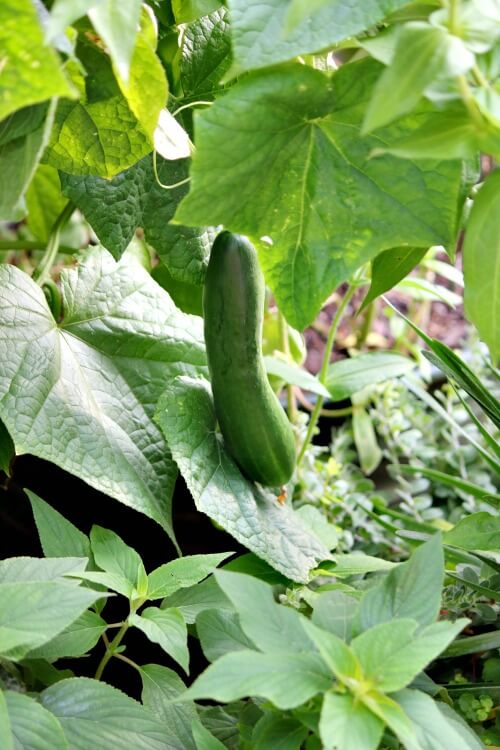
Sustainable garden plants include leafy greens like lettuce, kale, and spinach because they are self-seeding. These fast-growing, nutrient-dense plants will thrive in most climates.
Some plants indigenous to Tulsa, OK, where I live, are Indian Blanket (Gaillardia pulchella), Purple Coneflower (Echinacea purpurea), Redbud tree (Cercis canadensis), and Butterfly weed (Asclepias tuberosa). Indian Blanket is the Oklahoma state wildflower.
Sustainable Practices For Your Garden:
- Choose drought-tolerant plants
- Use compost instead of fertilizer
- Collect rainwater
- Use mulch to retain moisture and suppress weeds
- Practice successive sowing
- Save your seeds
- Recycle plastic containers
Choosing Drought-Tolerant Plants:
Prioritize native, drought-tolerant plants that are adapted to your local climate.
Drought-tolerant or xeriscaping plants can thrive in dry conditions with minimal watering and feature adaptations like thick leaves, small leaves, or deep roots.
Adding A Compost Bin:
Add a compost bin and use compost instead of fertilizer. Soil eventually loses moisture and nutrients essential for plants to grow, and adding fertilizer is like adding chemicals to the soil.
Collecting Rainwater:
Use barrels to collect rainwater from your roof and a system of spouts to direct the water to your garden. Since this water isn’t chlorinated, it’s healthier for your plants.
Successive Sowing:
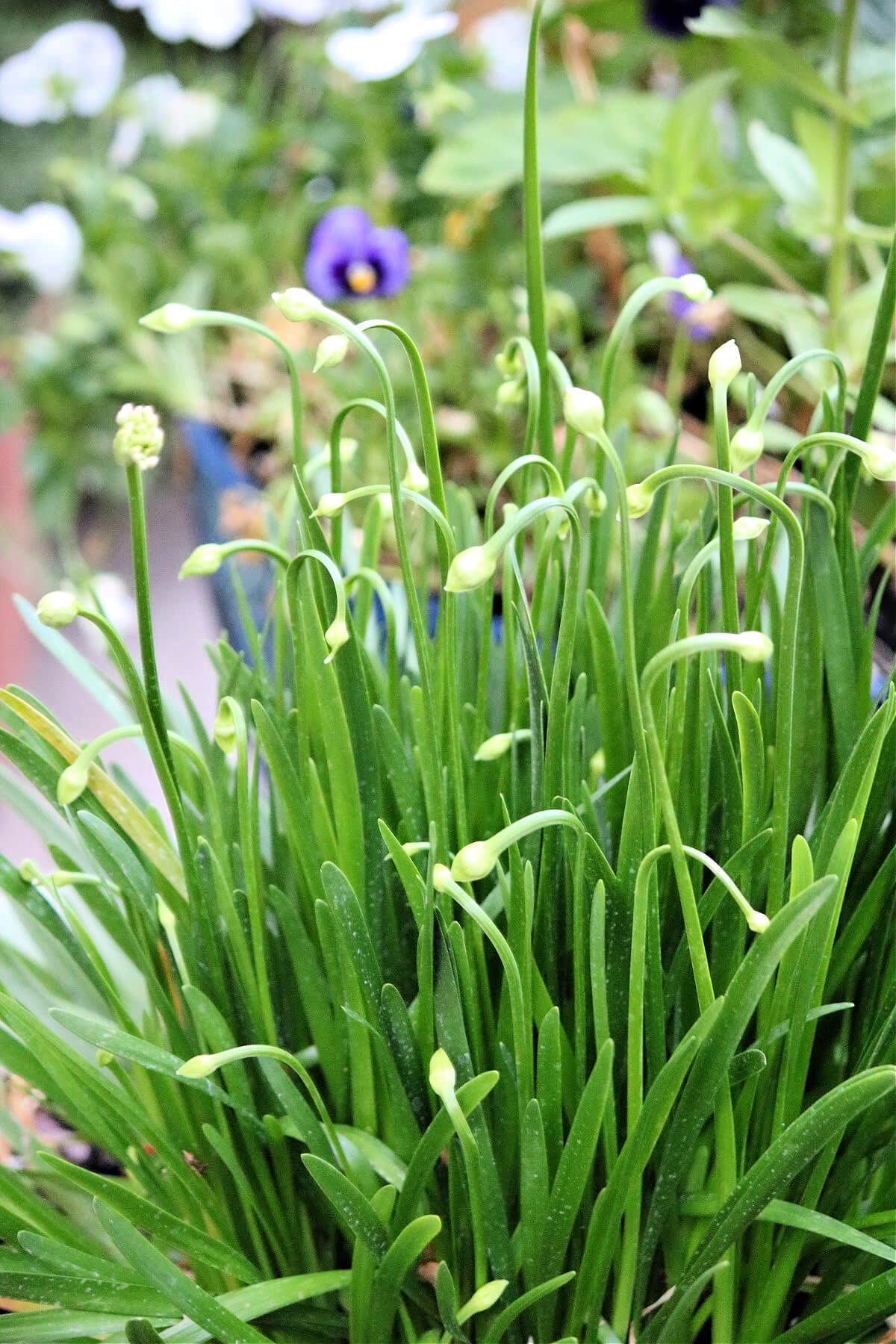
Practicing successive sowing or planting will help you extend the period when you can harvest fresh foods. A self-sufficient garden should provide a steady flow of crops for your family’s use.
Plant one type of crop every two weeks to stagger the growth of these plants throughout the harvesting weeks.
Saving Seeds:
Collect the seeds from foods you plant in your garden. This is essential because it gives you a steady supply of new seeds you don’t have to purchase. You can collect seeds from self-pollinating vegetables such as tomatoes, peppers, beans, peas, squash, and lettuce.
You can easily save seeds from common herbs, such as basil, cilantro, dill, parsley, sage, thyme, and oregano. Allow the herbs to flower and mature their seeds before harvesting and storing them.
Many herbs naturally attract and repel insects.
Recycle Plastic Containers:
One way to reuse plastic containers is to grow plants in them. Plant seedlings in these containers and hang them from a clothesline over your garden. When the seedlings grow, transplant them to the soil.
You can also use old containers instead of watering cans. Poke holes in the top of the container and fill it with water. This makes it easier to spread water over a larger area.
Features Of Self-sustaining Gardening:
A self-sustaining garden is the way to create a resilient and eco-friendly food source.
A garden is considered self-sufficient when it relies on as few external materials and supplies as possible.
Self-sustainable gardening supplies all essential nutrients for balanced growth, from organic matter for compost to micronutrients for healthy plants.
This type of gardening limits the spread of invasive plant species in your community and reduces excess waste in local landfills.
Great ideas…might get a few plants for our patio…but I am sure the plants just outside the patio are no doubt chemicalled to death…but I suppose so long as we are not eating those plants, it is safe enough. It is all the space we have. I enjoy reading your ideas even if we cannot do them presently.
Although I don’t have the best luck with seeds mine are on the kitchen windowsill now. The tomatoes plants are looking good but the peppers are taking their good old time. Our laurel shrub plants are too tall, getting old and are dying out so we did get some boxwoods to take their place. We got a great deal on them and they are on the small size but they will grow. We have a brick rancher and the shrubs and holly trees are covering up too much of the front of the house. I usually only splurge on one plant in the spring. Last year it was my knock out rose which looks great this spring and today I got a perennial lavender topiary. Always enjoy talking about plants! Have a good evening!