

How I’ve Learned To Live Frugally
This post may contain affiliate links. If you purchase through links on my site, I may earn a commission at no cost to you. For more information, please see my disclosure policy.
I had to learn to live frugally after my divorce at age 54 and moving to Tulsa. Although I had a four-year college degree in journalism, I had not really worked outside the home.

My life changed pretty drastically when I went through that divorce. I had to spend less money and learn to adopt a very frugal lifestyle.
When the two dogs (Abi and Charlie) and I crossed the border into Oklahoma, I thought, “Well, another chapter in my life begins.” And it was a bit scary; I don’t mind telling you that.
I had no idea at the time how I would support myself. The prospect of living alone was a little scary to me. But somehow, I muddled through.
Blogging was becoming popular, so I began my blog. Four years later, I was able to make a modest income. My ex-husband died in 2018, so then I also received Social Security due to the length of that marriage.
How I’ve Learned to Live Frugally:
You don’t have to constantly be entertained in life by spending money, I learned. In fact, you can live quite well without a large bank account.

You can go outside and enjoy nature. Take a walk in the park and listen to the many different sounds of birdsong. Look around you at the trees, squirrels, and plants.
You can take a deep breath and enjoy both the exercise and the surrounding scenery. It’s a beautiful sight, and a respite from the ugly news cycles of angry people and senseless killing going on in the world.
If you have children, help them to explore the beauty of nature. There are truly health benefits of bird watching, and it’s fun!
How to Decorate Your Home Frugally:
Shop your house, which means looking at everything you have before spending money. Go to thrift shops to find what you need, or local garage sales.
Switch things out instead of buying more. It’s fun and doesn’t cost you anything.
There truly are ways to decorate your home even if you don’t have any money!

Frugal Tips on Running Errands:
Don’t go out somewhere on a whim or because you’re bored. Wait until you have two or three errands.
Plan these errands in a straight line to avoid doubling back. This way you use the least amount of gasoline.
I don’t go out every day, and currently, I have about 61,000 actual miles on my 2006 Nissan Pathfinder. Gas isn’t a drain on my income since I don’t drive much.
However, gas prices have really gone up, so I have to think about that before I go somewhere.
Driving Tip: Compare prices, optimize driving habits, and perform basic vehicle upkeep to keep your car running smoothly.
Cheap Breakfast Deal:
I like to get breakfast at McDonald’s a few times a week, along with a caramel iced coffee. It is less than $7. It fills me up, and I don’t typically eat again until around 6 p.m. Occasionally I eat lunch. A protein drink or a peanut butter and jelly sandwich.
Billionaire investor Warren Buffett is well-known for eating McDonald’s for breakfast, a habit he’s had for decades. His breakfast choice varies each day, with the stock market’s mood influencing his order, he has said.
Best Time Of Day To Eat In A Restaurant:
When dining in restaurants, lunchtime is likely to be the cheapest time to go. If you wait until dinnertime, you’ll pay more and miss out on those good lunch specials.
Restaurants tend to serve large portions. This is good if you like to take leftovers home.
If you’re eating in a restaurant, ask for a to-go container and split it in half for another meal later. You’ll consume fewer calories and have another meal you don’t have to cook.
I will sometimes buy the noonday meal before the lunch specials are over, take it home, and save it for suppertime. Reheating is easy.
I’m not much for eating out. I’d rather get take-out.
Restaurant Tip: Eat at lunchtime instead of dinner, skip drinks and appetizers, and share large portions.
Eating Meals at Home:
Sometimes I’ll bake a potato in my countertop convection oven, and it is so tasty!
You can make an entire meal with a baked potato by choosing toppings that include some form of protein. Such as eggs, beans, or meat.
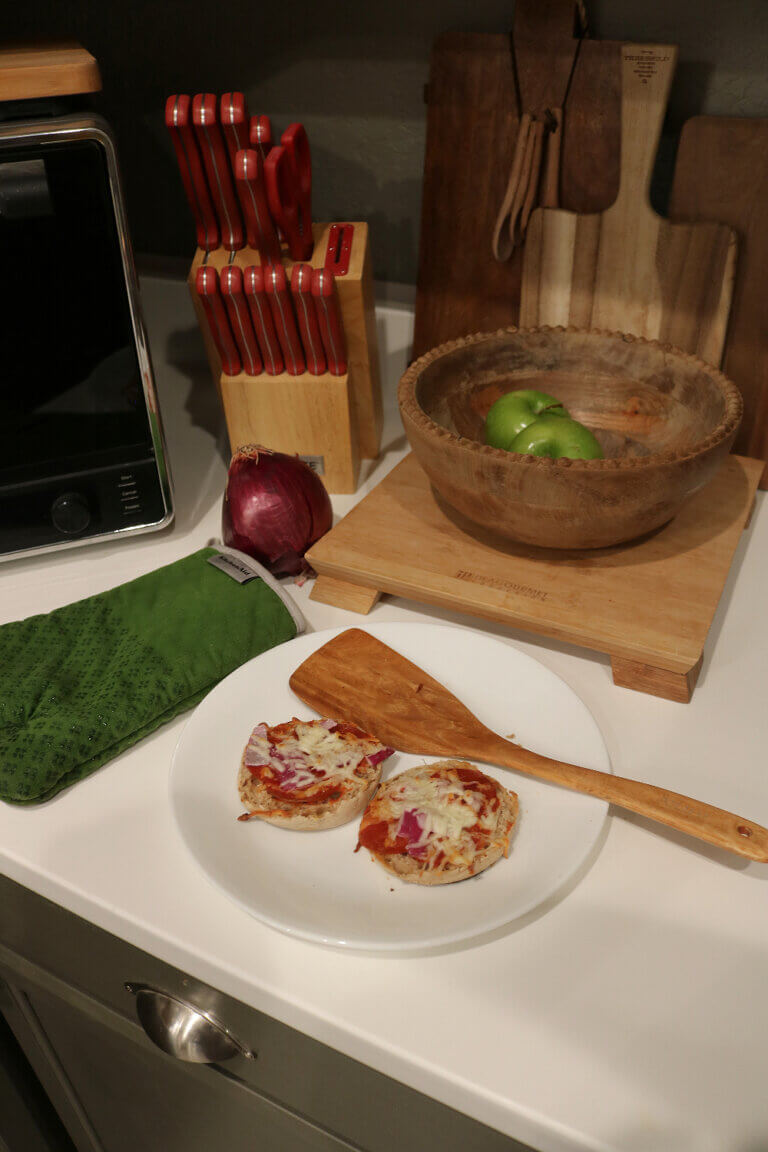
Pizza is something else I like to make in my countertop convection oven. I use English muffins instead of pizza dough. I call it English muffin pizza. My girls said they recall me making it for them when they were little.
First, I slice each muffin in half and toast it for a few minutes to make it easier to handle. Then I put pizza sauce and toppings on. Those toppings are generally pepperoni, black olives, mushrooms, onion, and mozzarella cheese.
I put the English muffins with the toppings back in the oven, and in just a few minutes my meal is done. It’s a very cheap way to enjoy pizza. And I actually prefer my own to ordering out.
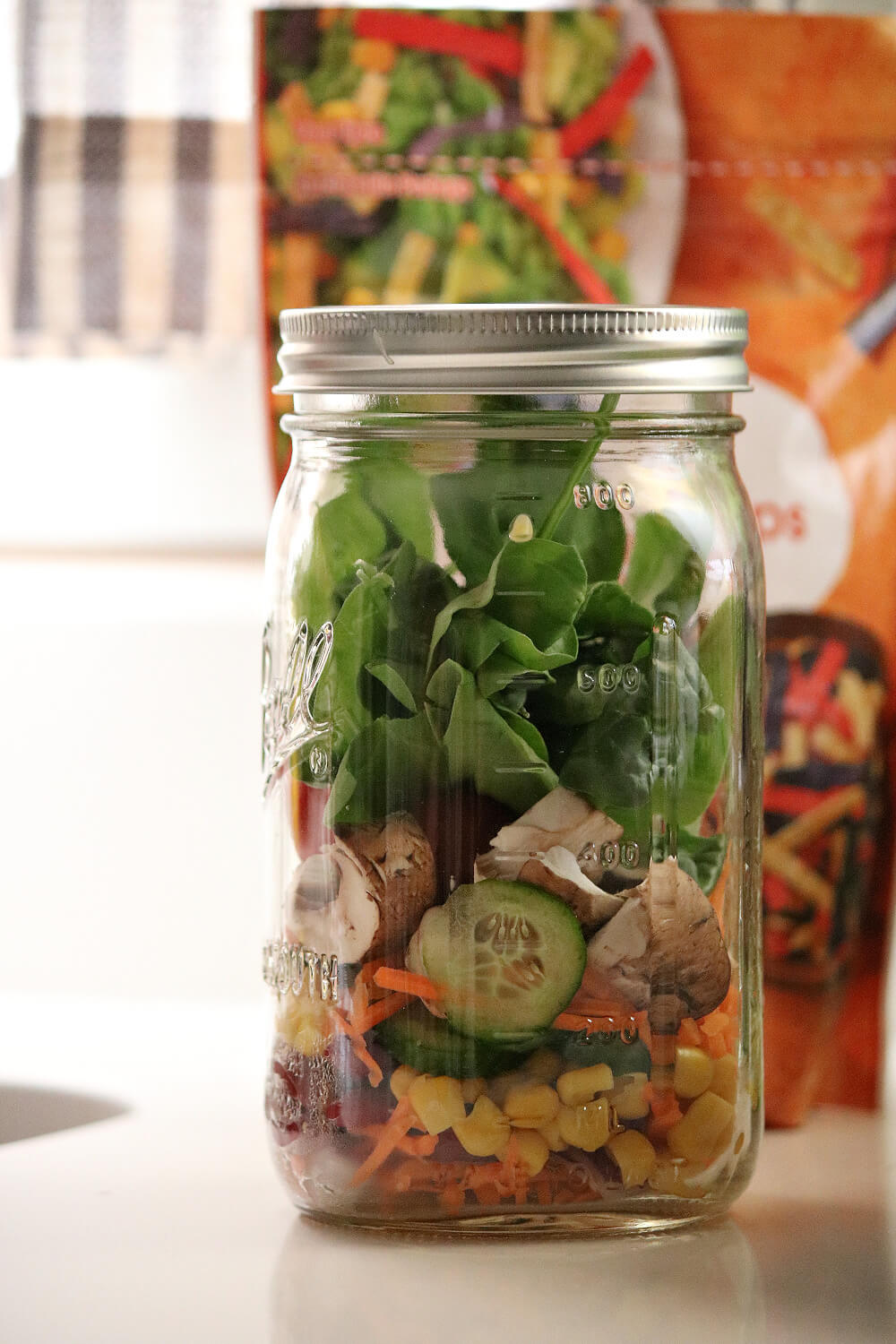
I also enjoy making salad in a jar. It doesn’t cost much to prepare, depending on what you choose to put in it. You can add meat or some sort of protein (I prefer beans) to make it a more complete meal.
Frugal Tips For Laundering Clothing:
Your clothes last longer if you don’t dry them in the dryer.
To do laundry more frugally, try these tips: Air-dry clothes whenever possible and wash in cold water. Use only a full load, and skip fabric softeners and dryer sheets. Use white vinegar or wool dryer balls instead.
You can also reduce detergent use by diluting it or using less. Clean the dryer’s lint trap to improve efficiency, and wash clothes only when they are dirty.
Laundry Tip: Use cold water: Heating water accounts for most of the energy cost in a wash cycle. Cold water cleans everyday clothes well and keeps colors bright.
Buying Household Essentials:
We all have to buy household essentials. But we can be more intentional about what we purchase and when to buy.
Amazon Prime
Amazon Prime is a subscription service offering benefits such as fast, free delivery, access to Prime Video, and exclusive deals. The standard cost is $14.99 per month or $139 per year. I’m sure it will be going up, though, as everything does.
Key Benefits of Amazon Prime
- Shipping: Free, fast delivery on millions of eligible items, with various speeds available.
- Streaming: Access to Prime Video for movies and TV shows, along with other streaming services like Prime Music and Prime Reading.
- Exclusive Deals: Early access to Lightning Deals, Prime Day, Prime Big Deal Days, and other Prime-exclusive savings.
- Grocery Savings: Enjoy discounts at Whole Foods Market and Amazon Fresh, including 10% off Amazon’s private-label brands.
- Fuel Discounts: Save $0.10 per gallon at participating locations.
I cut the proverbial cable TV cord years ago and have been using streaming services like Amazon Prime Video and Netflix ever since. That substantially saves me money. I went from paying around $300 per month for cable to less than $50.
I have my TV in my bedroom, and I only watch TV at night, so it isn’t a big deal.

Walmart In-Home Delivery Service:
Walmart will deliver my goods and bring them inside for me, helping me avoid the heavy lifting.
This fee is in addition to the regular Walmart+ membership cost and includes unlimited In-Home delivery. Walmart associates deliver groceries and prescriptions to your home or garage. You must have an active Walmart+ membership to sign up for In-Home.
For me, it is certainly worth it, since I now have limited mobility and can’t shop in stores any longer. My nextdoor neighbor is in a similar situation, so they deliver to both of us.
How Walmart In-Home Delivery Works
- Sign up for the service: Subscribe through the Walmart app or on Walmart.com.
- Set up delivery preferences: Choose where you want your deliveries placed (e.g., kitchen, garage) and how associates will access your space.
- Place an order: Add eligible items to your cart and select an In-Home delivery time slot.
- Receive your delivery: Walmart associates will deliver your order to your designated spot and provide a video recording for your reference.
- In-Home returns: Associates can also pick up items for returns from your home.
- Unlimited deliveries: Receive as many deliveries as you need with no extra per-delivery fees.
- No tips: You do not need to tip In-Home delivery associates, as they are hourly employees.
Grocery Delivery Tip: Ordering straight through a specific grocery store’s app rather than a general third-party delivery service sometimes reduces hidden item markups.
Being Frugal Means Being Prepared:
Below is a list of the most important things you should stock up on:
- Toilet paper
- Peanut butter (Good source of protein)
- White rice (White rice can last decades if stored correctly)
- Dried Beans (Dried beans will last for years when stored in a cool, dry place)
- Prescription drugs (It’s best to have enough for 30 days)
- Pet food and prescriptions
- Pasta (Pasta will last for decades)
- Canned tuna (Canned tuna has a long shelf life)
- Basic medical supplies (Bandages and antibiotic ointments)
- Dried fruit (Dried fruit lasts longer because the moisture has been removed)
- Vinegar and baking soda (Two of the most versatile pantry items)
Make Your Own Cleaning Solutions:
You can clean almost anything with vinegar and/or baking soda. Plus, it is easy and cheap.
- Check out things you can clean with vinegar:
- Things you can clean with baking soda:
Environmental Tip: Using vinegar and baking soda to clean helps the environment by eliminating toxic chemical runoff, reducing plastic waste from single-use packaging, and improving indoor air quality.
Be Judicious With the Use of Electricity:
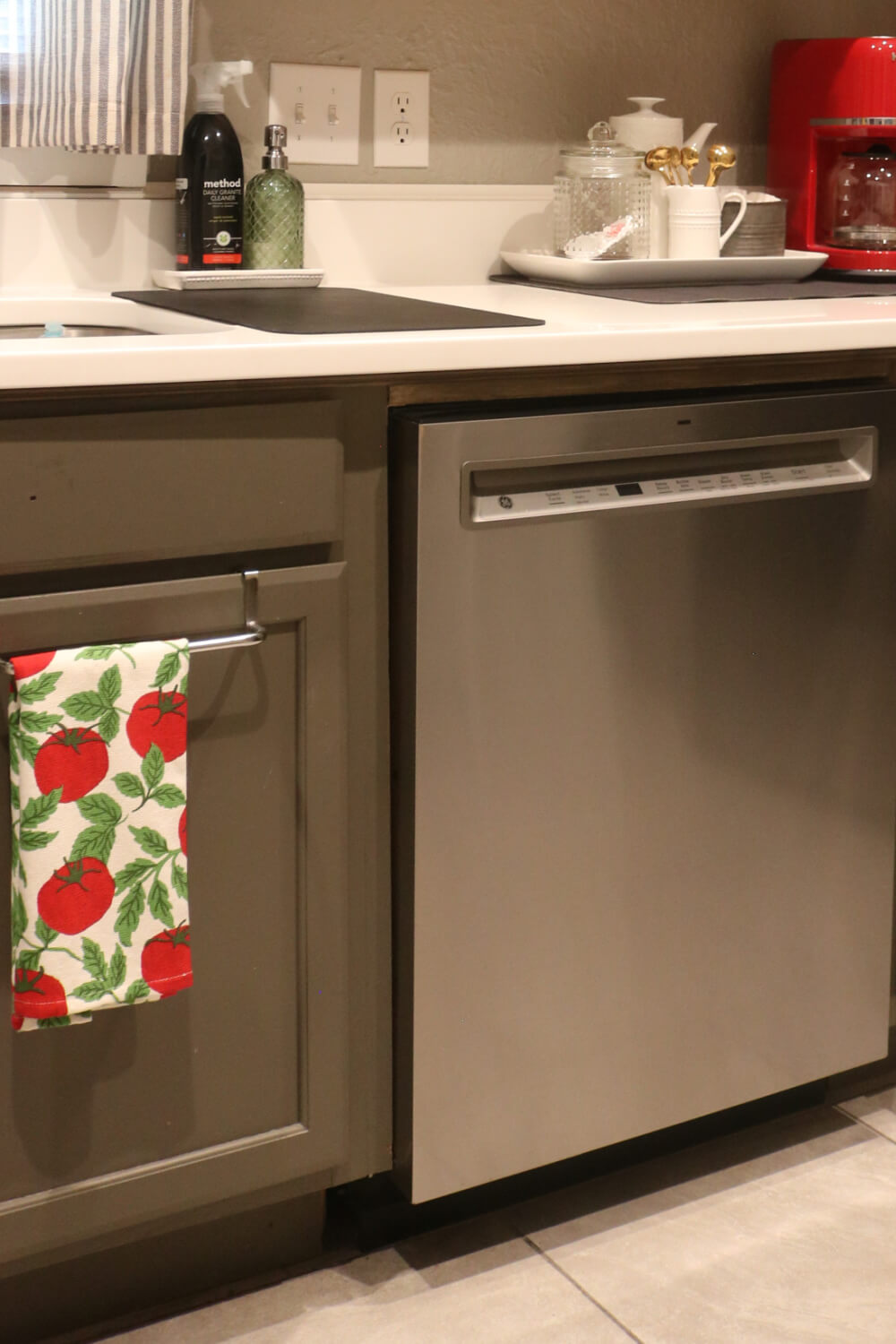
I very rarely use the dishwasher. In a short span of time, I can wash and rinse my plate. I actually enjoy washing dishes. It is a time of reflection for me.
I take short showers. This reduces my water and electricity use.
You don’t need a lamp on in every room in your home at all times. Make it a habit to turn the lights off as you leave a room. Unplug things you aren’t using.
Install a programmable thermostat and use energy-efficient appliances. Smart appliances monitor your electricity usage and automatically turn off appliances when not in use.
The Largest Electricity Expense In Your Home
The most significant expense is heating and cooling your home. An electric water heater comes in second.
Monthly electrical use for washers and dryers depends on how often you do laundry. On average, doing laundry accounts for about 5% of your annual electricity usage.
Electric ovens take up about 3% of your monthly electricity use. Your dishwasher uses about 2% of your monthly electricity. A TV and cable box consume around 2% of your monthly electricity.
Energy Tip: Peak electricity hours are usually 4–9 PM on weekdays, when grid demand is highest and electric rates are most expensive. Off-peak hours are usually overnight and weekends, when electricity costs less.
Plant a Garden to Save Money:
Learn to garden. You may find that you quite enjoy it!

Plant drought-resistant plants indigenous to your region. They will need less water because they’re naturalized to your area. These plants can go dormant during drought.
Garden Tip: Allow your plants to reseed. Save those seeds to use next year or share them with a friend or neighbor.
If you grow vegetables and/or fruit, you might consider canning or drying them for winter use. That’s what my great-grandmother did.
You may find that you genuinely enjoy gardening as a hobby. The gardening bug bit me early, and it’s not likely to ever go away.
Utilize Your Local Library:
Find out where your closest library is and get a library card. I truly love reading, and the library has always been close to my heart.
With a library card, you have access to books and digital streaming.
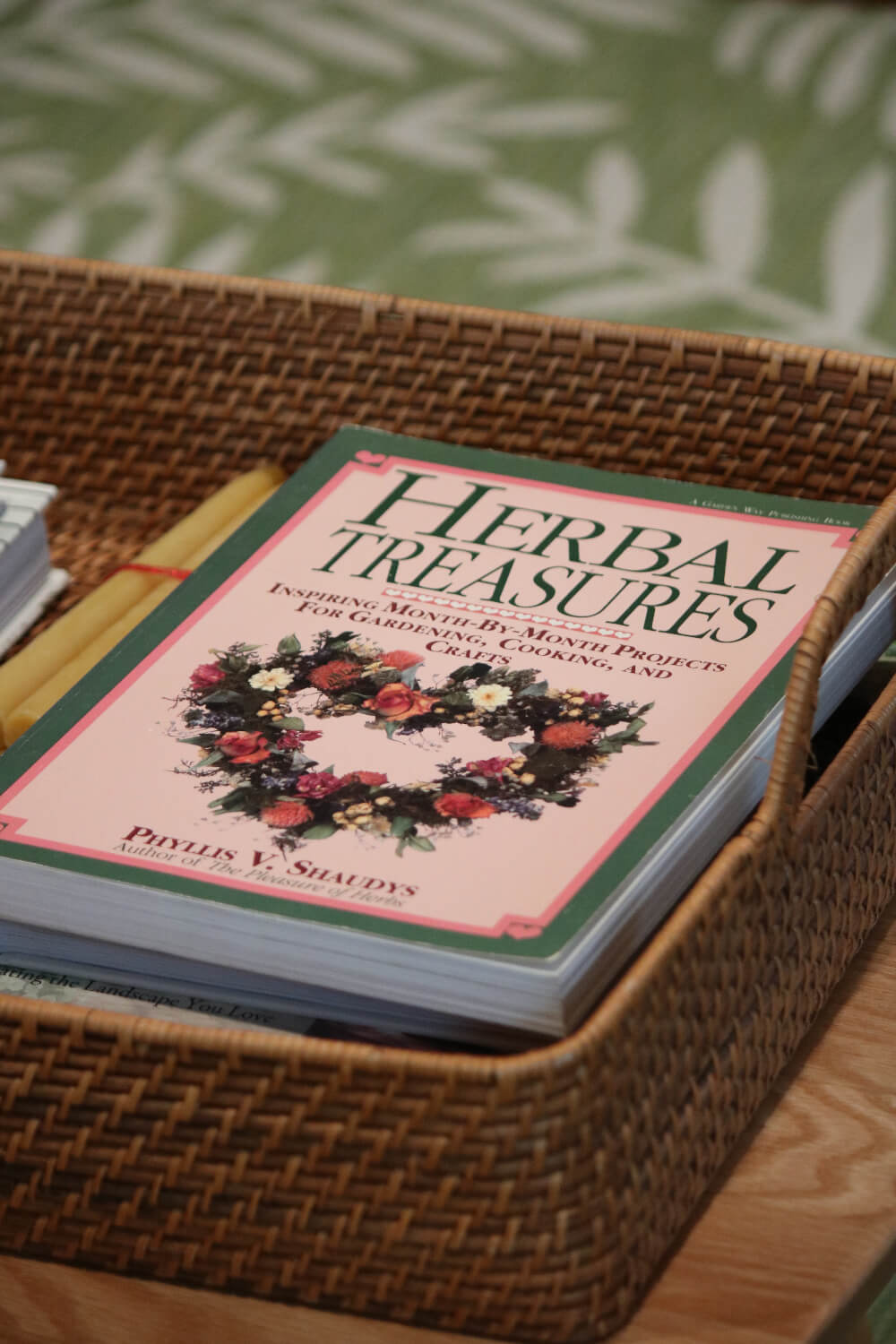
When my girls were young, I used to take them to the library for story hour. If you have young children, check to see if the library you use has story hour.
Summing Up How I’ve Learned to Live Frugally:
- Let nature entertain you.
- Use frugal tips when doing laundry.
- Dine in a restaurant during the cheaper hours, or buy it then and heat it later.
- Buy household essentials online, often via subscriptions if that saves money.
- Use water & electricity judiciously.
- Plant a garden and have fresh food right outside your door.
- Utilize your local library for books and movies.
What it’s Like to Live Frugally:
I certainly don’t feel like I’m missing out on anything. It is actually fun to shop in thrift stores on days when I’m more mobile. It’s fun to share this experience with a friend.
I’m an introverted person, and being in crowds often causes me anxiety. So it’s a win-win for me!
Living a more frugal life offers you benefits like financial security, less stress, and reduced environmental impact. You can’t put a price on peace of mind.



I’ve been lucky to have spotted that I was heading into debt a few months before I did, I still had savings in other accounts when my bank card told me I was broke. There were a few fast fixes that made it possible to save money once again, not going out to expensive places, getting a cheaper plan for my cellphone… and equally important, changing supermarkets.
Brenda, I loved reading this. It reminds me of me so much since I was laid off from my job and unemployment money ran out. Two incomes have changed to one, and it's not so bad going back to living frugally as we have done at times in the past. Thank you for sharing this!
Brenda – I was around for that initial post… and I remember how brave and honest you were in a very difficult time. I haven't stopped by your space here in a while… you are doing SO well… great to see it. And you have some sage advice here, as always.
Hi Brenda..I enjoyed your post. My husband and I have just started living frugally. We really enjoy it! We live in a 500 square foot studio apartment, we have eight pieces of furniture, everything was "thrown away" and collected from the street, except for our bed.(all is in good condition). We have two lights in our apartment, we need no more than that, One in the kitchen and the other in the "living room". We do not have cable. I am retired and work part-time, my husband is disabled. Children are married and gone. I am convinced that "living frugally" can be done and by gosh we are going to do it. We do not own a car as everything is reachable by bus lines. We do have a small dog, who it the love of our lives. We are determined that we can make this work and we are trying to do our best to make it so. We are trying to live with just what we have and are getting along well. Thank you for letting me share our newest plight.
Hi Brenda! I just started to read about living a frugal life. My spouse and I live in a very modest (small) over 55, one bedroom condo in South Florida. I retired a few years ago from the hotel business, where I was a Front Desk Manager. My spouse will retire in a little over a year. We hope to purchase (cash) a small RV and travel back and forth to N.Y., where she has 2 grandchildren. Just wanted you to know, that I am blessed with having a spouse (7 years) who is even more frugal than I am! Keep writing!