
How To Garden For Wildlife
This post may contain affiliate links. If you purchase through links on my site, I may earn a commission at no cost to you. For more information, please see my disclosure policy.
If you want to invite wildlife into your yard and neighborhood, plant a simple garden that provides habitats for them.
Imagine birds, butterflies, and hummingbirds coming to visit your garden space, all attracted by what you’ve planted.

Provide a sustainable habitat for wildlife by planting in your garden. Plant native plant species that wildlife depend on.
Add water sources, nesting boxes, and other habitat features. By choosing natural gardening practices, you create a safe habitat for wildlife in your garden.
Various plant species that flower at different times of the year will tempt butterflies to come to your yard.
Flowers:
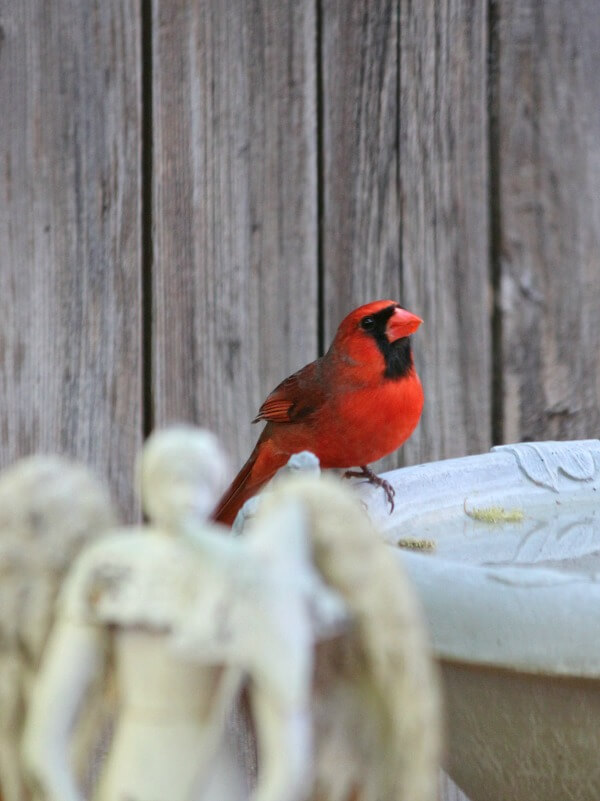
In order to attract American goldfinches, cardinals, chickadees, evening grosbeaks, finches, and titmice, plant sunflowers in your garden. Also plant black-eyed Susans, asters, cosmos, zinnias, coreopsis, marigolds, and poppies.
All these plants will provide seeds for the birds. Add native prairie plants such as millet, sorghum, blanketflower, goldenrod, liatris, and globe thistle.
You can attract hummingbirds if you plant pink, red, and purple tubular blooms for their nectar. Plant bee balm, columbine, hibiscus, nicotiana, salvia, cardinal flowers, honeysuckle, and nasturtium.
In the fall, avoid removing dead stalks in your garden. Birds will seek out the remaining seeds in them throughout the winter months.
Fruiting Plants:
You can create a smorgasbord for birds if you include fruit-bearing plants in your yard, at the edge of woodlands, and in garden beds.
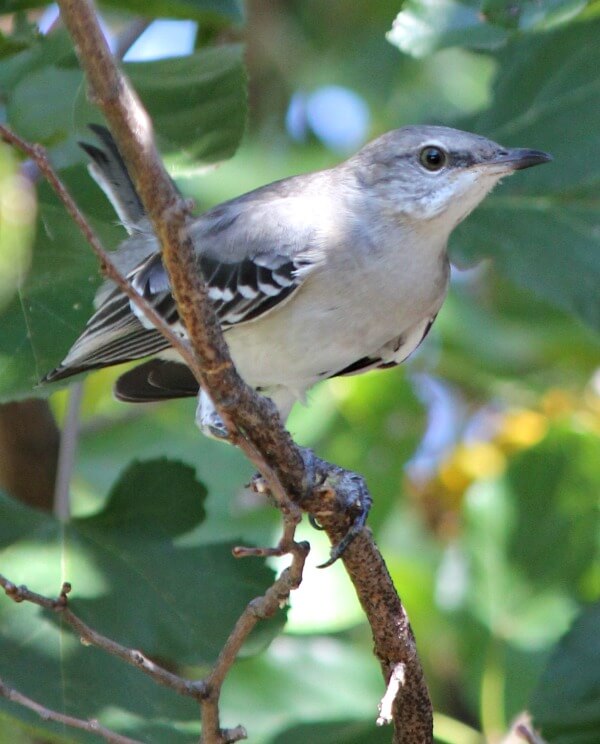
Blackberries, raspberries, blueberries, juneberries, mulberries, inkberry, and Russian olive will attract mockingbirds. Along with bobwhites, gray catbirds, indigo buntings, woodpeckers, bluebirds, northern orioles, and scarlet tanagers.
These birds will nest in the fruit trees and feast on the berries.
Vines:
The climbing and twisting stems of vines provide ideal cover for birds. The vines’ flowers also attract nectar-seeking birds like hummingbirds.
Fruiting vines, such as grapes and multiflora roses, provide another food source.
You can watch birds hop among the vines as they determine the best way to approach a hanging feeder filled with seeds.
Even in the winter, vines that are left in place offer a perch for birds as they scope out your yard for leftover seeds on drying perennials.
Trees:
Birds need trees to build their nests, raise their young, and escape from predators. Provide a mix of tree species to attract more bird species. Start by finding out which trees are indigenous to your area.
Oaks, aspens, maples, beeches, and birches are all found in the natural landscape. Each offers nesting sites among its branches, in hollows, and under its boughs.
Evergreens provide protection from the hot sun in summer and from rain, snow, and ice in winter. They also attract insects that hide under the bark and among their leaves. The insects offer food that bird parents can bring back to the nest to feed their young.
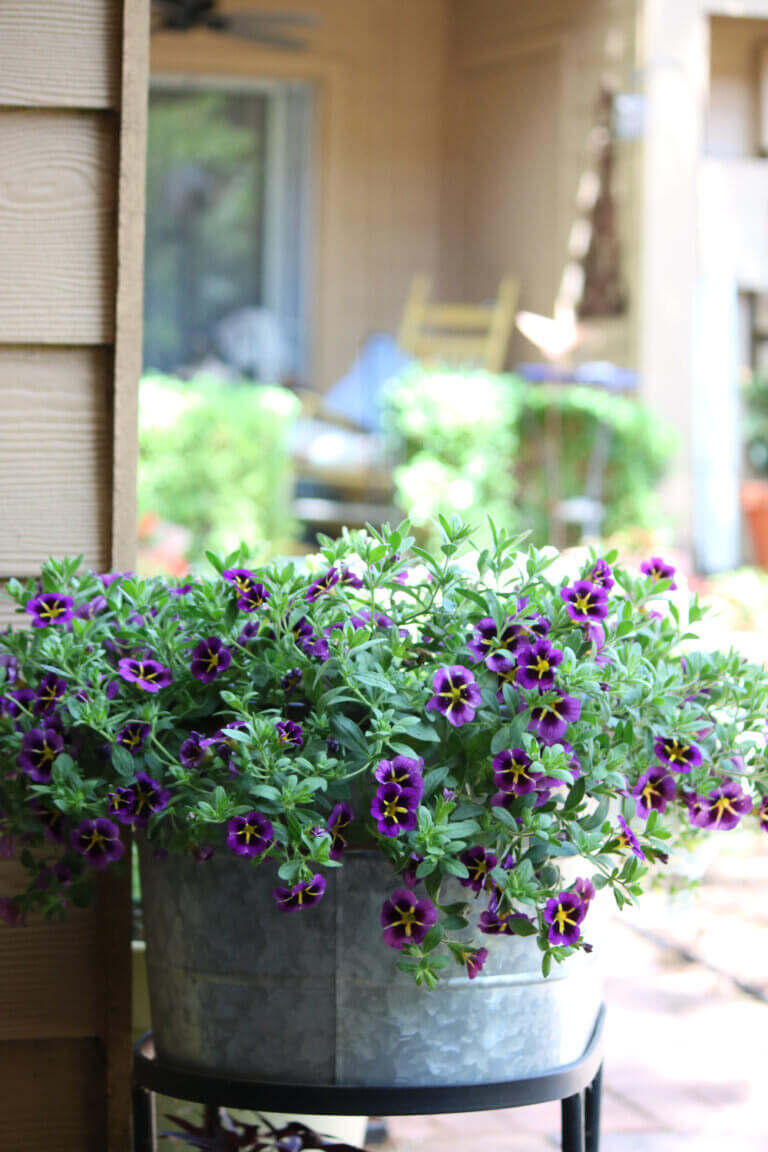
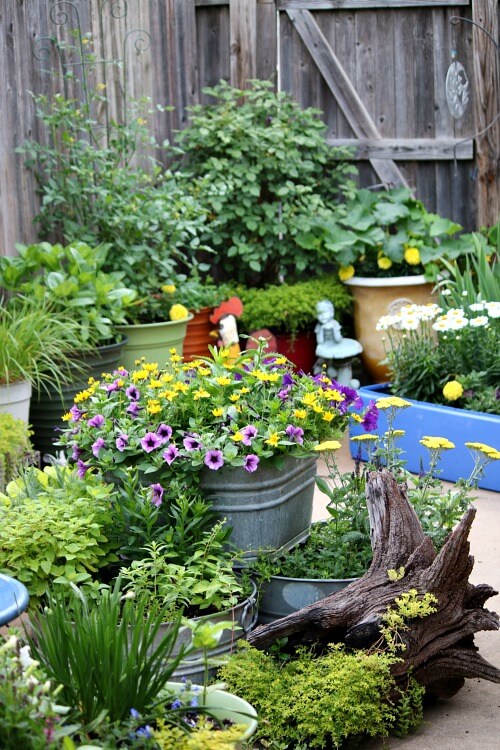
Expand your canvas with containers if you need to garden for wildlife in a small space. If you don’t have the space to start a whole new garden, then containers are a great solution.
Hanging baskets will add flair to your space while offering a good source of nectar.
Walk around garden nurseries and note what kinds of plants you see bees, butterflies, and hummingbirds feeding from.
You can also walk around your neighborhood to see which native plants are thriving and attracting wildlife and birds.

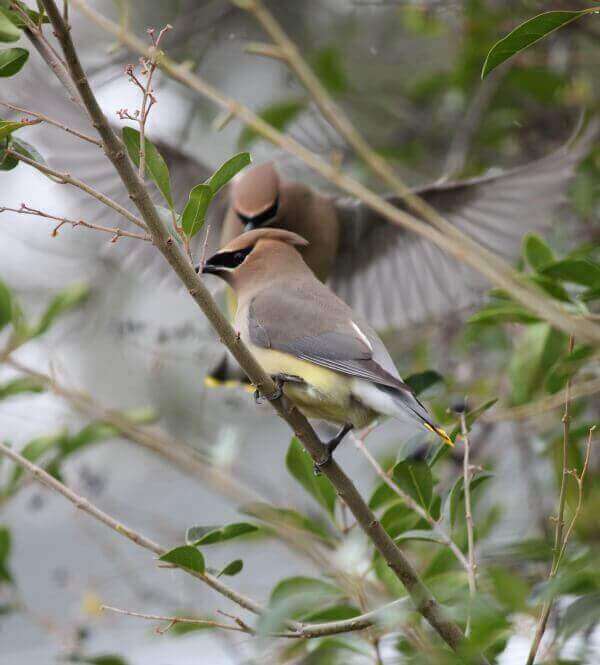
I wonder if all the blackberry brambles on my property are what drew in the Scarlet Tanager last year – that was such a gorgeous bird!!
Good information here. I try to do many of these things to help the wildlife, but I do need to have more flowers friendly to butterflies as I've noticed they have been more scarce in recent years.
So very interesting. I am going to try to make my tiny spot of ground more inviting for the wonderful wildlife in my area. Thank you for the information.
I love all your birds.
As I read this, my ear is trying to catch the sound of our birds. We just had some trees trimmed yesterday and now Steve tells me the tree guy told him there was a bird hotel in our yuccas. I do hope they find another spot in the yard to serenade us.
I loved this post! I live alone (very happily) and enjoy my garden and nature. I employ most of your tips and enjoyed learning about some I had not thought of . I love looking at other gardens on the web and hearing how people go about it as well. Gardeners are Kindred Spirits of the kindest sort I believe. You have a beautiful eye for color and design in your own garden Brenda. Thank you for sharing your gifts.
This is an interesting series. I didn't know you could do so much to attract the wildlife you want.