
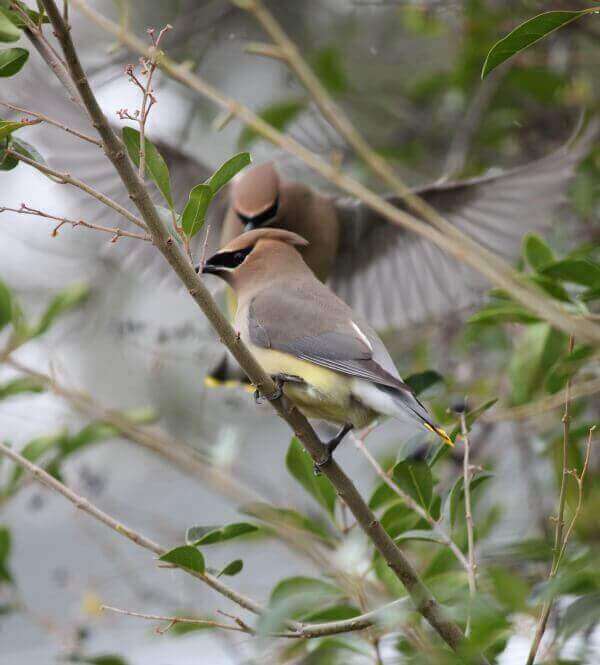
Attracting Birds To Your Yard
This post may contain affiliate links. If you purchase through links on my site, I may earn a commission at no cost to you. For more information, please see my disclosure policy.
Attracting birds to your yard is all about making it a welcoming habitat where they can safely find food, water, shelter, and nesting space. Below are the provisions you need to attract birds.

1. Providing Food Sources
- Feeders: Offer a mix of feeders—tube, platform, suet cages—to attract different species.
- Seeds: Black oil sunflower seeds are a favorite for many birds. Nyjer seed (also known as thistle seed) attracts finches.
- Natural plants: Grow berry-producing shrubs (holly, serviceberry, dogwood), seed-bearing flowers (coneflowers, sunflowers, black-eyed Susans), and fruit trees.
- Suet & nectar: Suet attracts woodpeckers and chickadees; sugar-water feeders attract hummingbirds.
2. Supply Fresh Water
- Add a birdbath, fountain, or shallow dish for drinking and bathing.
- Moving water (like a dripper or small fountain) is especially attractive.
- Keep water clean and shallow, ideally no deeper than 2 inches.
3. Create Shelter & Safety
- Plant native trees, shrubs, and evergreens to provide cover from predators and harsh weather.
- Leave some brush piles, tall grasses, or hedges for hiding and roosting.
- Avoid pesticides, since they harm insects that birds need for food.
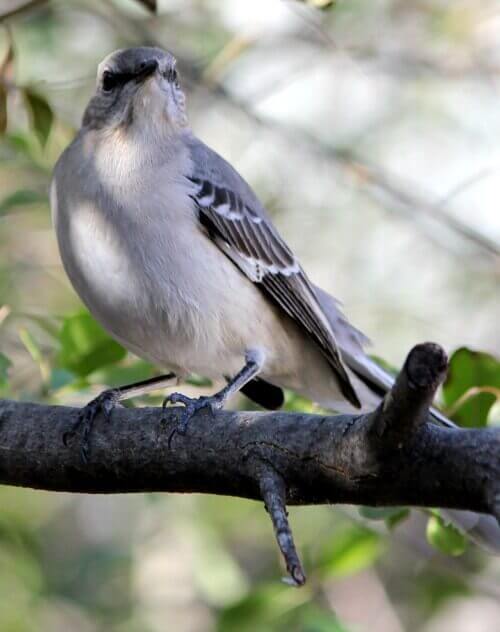
4. Offer Nesting & Roosting Sites
- Put up birdhouses sized for species you’d like to attract (wrens, chickadees, bluebirds, etc.).
- Leave some natural materials around—twigs, dried grasses, and leaves.
- Consider keeping old trees or dead snags if safe, since many cavity-nesters use them.
5. Think Seasonally
- In spring and summer, birds need insects, water, and nesting space.
- In the fall, fruiting plants and seed heads provide fuel for migration.
- In winter, reliable feeders and evergreens for shelter become critical.
Following organic practices helps wildlife. Insects are the primary food source for many bird species and an essential source of protein and fat for growing juveniles.
Attract Birds To Your Yard With A Bird Bath:
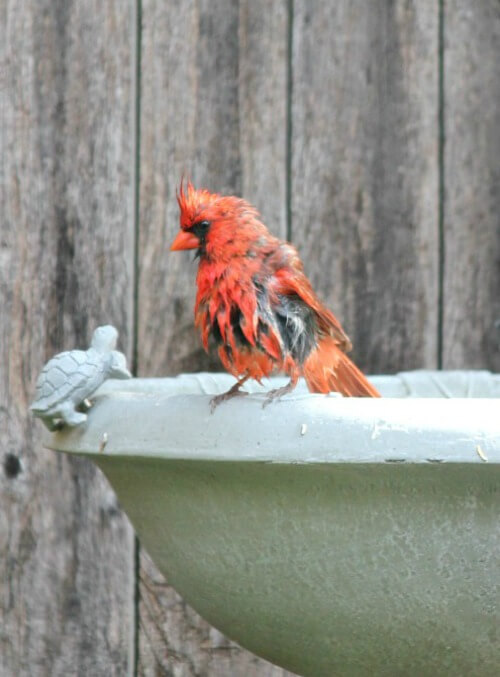
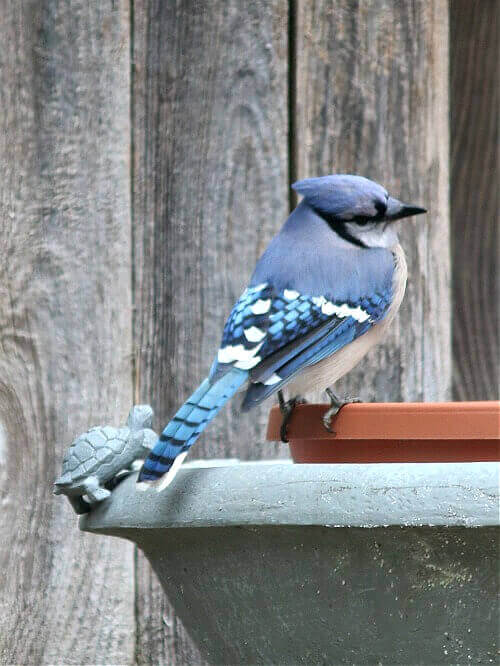
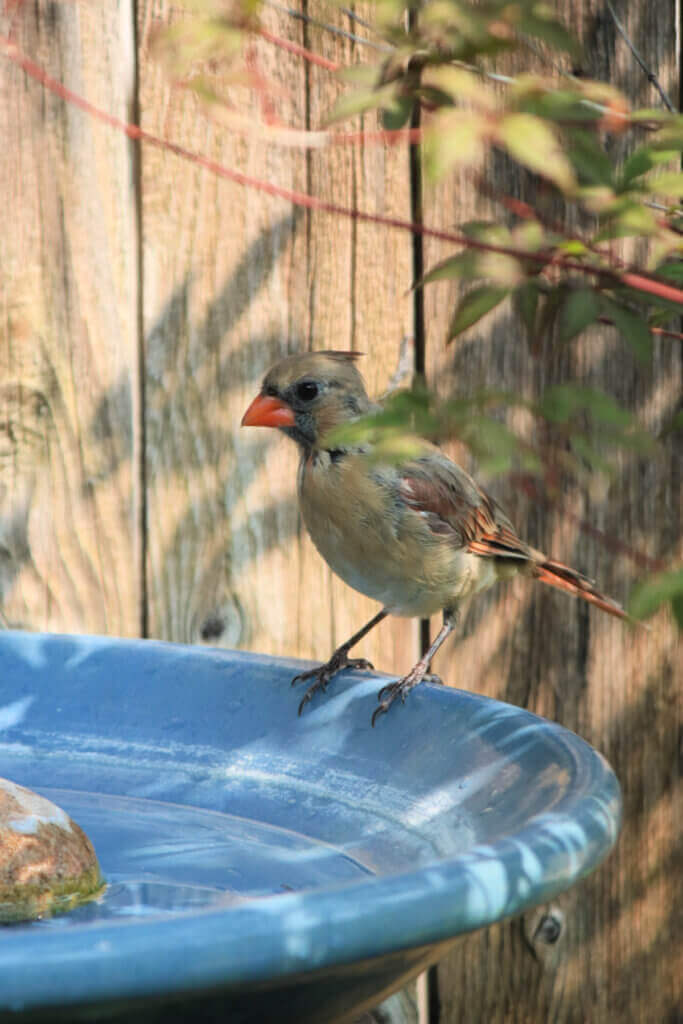
Traditional concrete birdbaths sold in garden shops make lovely lawn ornaments, but they aren’t the best type for birds. They’re often too deep. Glazed bird baths can be slippery and hard to clean. Also, concrete may crack if the temperature drops below freezing.
The best birdbaths mimic nature’s birdbaths: puddles and shallow pools of water in slow streams. So look for a birdbath that’s shallow, with a gentle slope so birds can wade into the water.
You don’t have to buy an actual bird bath to attract birds to your yard. You can also use shallow containers, such as pot saucers. If you are using a flat container such as a pot saucer, you can add rocks for birds to perch on.
After you set out your container(s) of water, watch for a few days to see if birds use it for bathing and preening. Then make improvements based on your observations.
Keep an eye on your bird bath to ensure it doesn’t freeze over in winter. When defrosting it, do not use salt. Salt can kill the birds.
You could also invest in a birdbath heater.
- Keep the water fresh.
- Clean the bird bath regularly.
- Give them something to perch on, like a rock that is partially above water.
- Maintain a temperature like heat in winter, and on hot days, use ice blocks.
- Add moving water to attract them.
Cleaning The Bird Bath:
- To keep your birdbath fresh, rinse and scrub it with nine parts water, one part vinegar. Skip the synthetic soaps and cleansers; they can strip the essential oils from bird feathers.
- Refill the water every other day.
- Remember to keep your birdbath close to, but not directly under, woody brush and feeders. Falling debris and seeds can quickly muck up the water.
- Add a fountain or stream feature to keep the birds happy and the mosquitoes at bay. The insects don’t like to lay eggs in running water.
- Update your bath for the winter by adding a heater. You can pick one up cheaply at Home Depot.
Adding Bird Feeders to Attract Birds:
If you put more than one feeder in various places, more birds will come. Some birds are comfortable in crowds, but others prefer privacy. Position your feeder a few feet from a tree or bush. This gives the birds a staging area where they can wait before swooping in.
Place your bird feeders at different heights to attract more birds to your yard. Sparrows, juncos, and towhees usually feed on the ground. Finches and cardinals feed in shrubs. Chickadees, titmice, and woodpeckers feed in trees.
Once you start feeding birds in the winter, it is best to stick with it. Birds in colder areas need more calories and will come to depend on you. You can offer a variety of seeds in separate feeders. By feeding birds year-round, you’ll give them a better chance of survival.
Using some of these methods will attract birds to your garden. It may take a little while because they are cautious. Be patient.
Keep your bird seed in a cool, dry place.
Acquiring Bird Seed:
Buy bird food from reputable sources. This ensures that the seeds can provide the required levels of energy and that they’ve been grown with the environment in mind.
Never put out desiccated coconut as it swells inside a bird’s stomach. Also, avoid providing sugary treats and cooked oats, as they can dry and harden around beaks.
Reduce the opportunities for predators like cats and sparrowhawks by placing feeders where the birds can easily spot danger.
Avoid using garden netting, especially during the breeding season. Place feeders away from your house to minimize the risk of birds colliding with windows.
Place feeders away from low cover that could conceal a cat. They are predators that rely on cover to sneak up on their prey.
Cleaning The Bird Feeder:
Disassemble your feeder so that you can give every part a thorough cleaning. Wash it with either soap and boiling water or a dilute bleach solution.
Use no more than 1 part bleach to 9 parts water. Remove all visible debris with a good scrubbing. Soak at least 10 minutes in the hot, soapy water. Rinse thoroughly.
Attract Birds to Your Yard with Bird Houses:
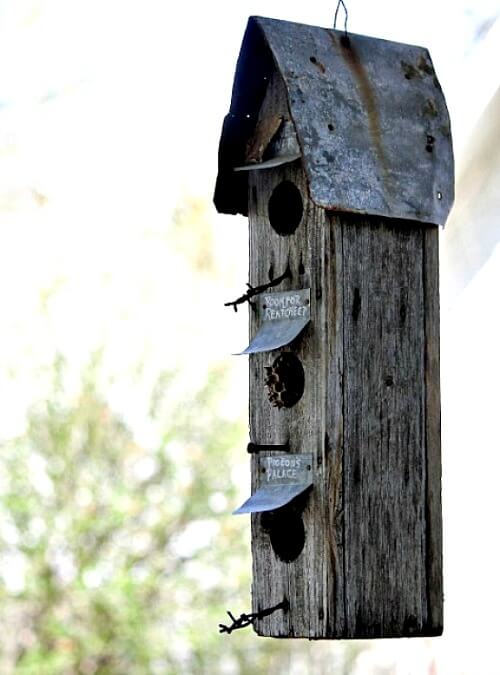
To attract birds to your yard, set up your birdhouses before breeding season. In the south, place your nest boxes by February. In northern regions, place your nest boxes by mid to late March.
If possible, provide a 2-inch roof overhang to prevent cats from reaching into the birdhouse. Drill 1/4 inch holes in the bottom for drainage.
Most birds will be happy to have their birdhouse between 6 feet and 15 feet off the ground. You will want to be able to reach it by ladder for cleaning.
Change Nest Box Location to Attract Birds:
Choose a diversity of nest box types and move those that prove unsuccessful. If you’re struggling to attract birds to a nest box, you might find that quite a slight location change can encourage birds to nest there.
Do not use too many of one type of nest box, especially tit boxes. Multiple options will confuse them.
Check your nest boxes each winter. Remove old nests and clean the boxes with hot water to kill parasites.
Attracting Birds For Apartment Dwellers:
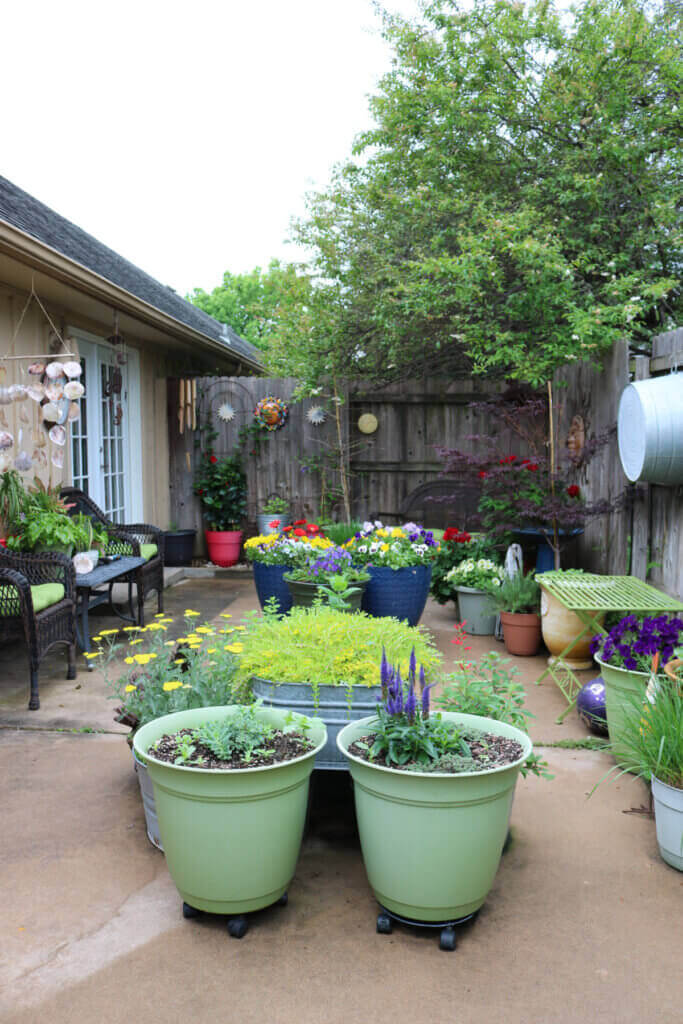
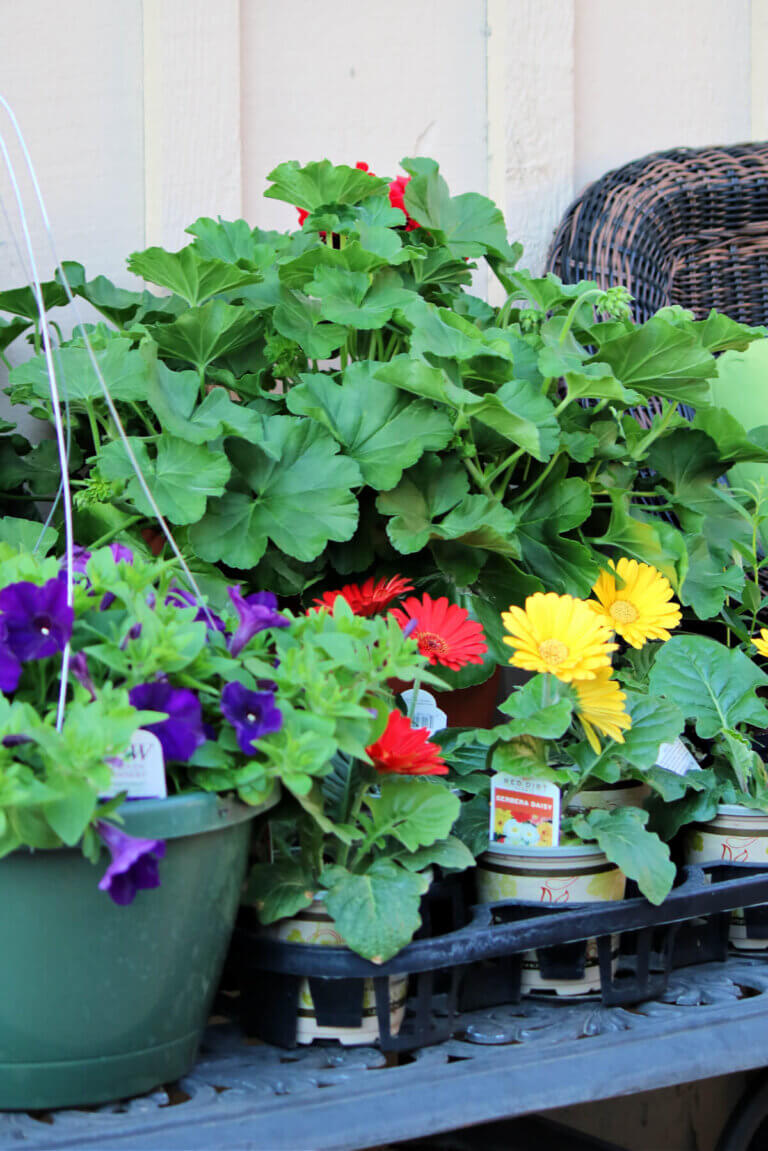
If you live in an apartment building or don’t have a yard, you can still attract birds. Window feeders can be attached to a window with suction cups. Hanging baskets containing certain flowers will attract hummingbirds and butterflies.
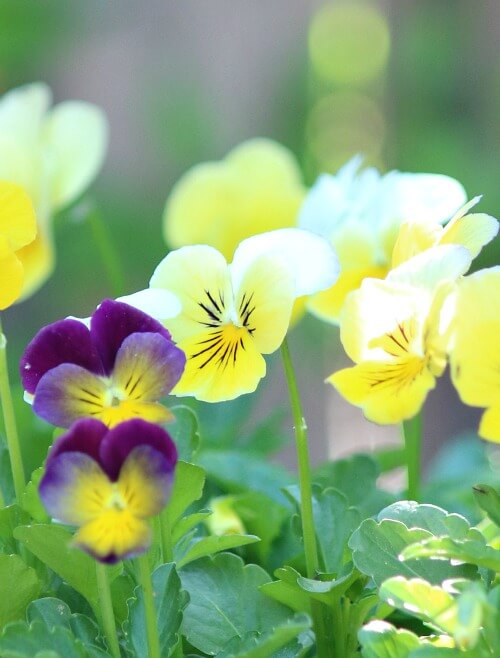
Hummingbirds are attracted to brightly colored flowers that are tubular and hold nectar. They also love the color red. There are many ways to attract birds to a small space garden or apartment setting. Even a container shrub is suitable for a nest.
A greatly useful post, Brenda. As well as the last few that you’ve sent.
I have just started feeding the birds again after not doing so for a couple years. I do so enjoy watching them from the table where I eat breakfast. I am still working on finding the perfect feeder, though. I want something that has a protective roof to keep the rain and snow off the birds and the seed. I designed one–quite a simple one–but haven’t found anyone to build it for me yet. I am not a power tool-using gal!
I am so ready for Spring to be here so I can do stuff outdoors without freezing! I want to be better prepared with my bird feeders and baths next fall than I was this year. So bring on the sunshine and warm temps–whoever’s in charge of that!
That is wonderful that you can get birds to come –even to a small patio—there is nothing like birds to put a smile on your face. AND they are highly entertaining, I think. xo Diana
I had to laugh at the birdbath ( not happily, though! 🙂 New neighbors have FOUR little yippy dogs… and one day when Koopa, my son’s pit bull was here….I had him and my two older dogs outside. and they let their four out.
Those four came out barking like crazy and Koopa went nuts ! He wanted to go play! He was trying to get under my fence and almost made it and went I went after him he was running back and forth along the fence with the little dogs and BOOM! Right in to my bird bath and there it went into or so pieces
I enjoyed this post so much. You, and your readers, posted such good advice. We have lots of birds come to our feeding stations, but I wish we had cardinals here. We do have lots of (bossy) blue jays though, and we even welcome squirrels and chipmunks. Not only do I enjoy watching, so does the dog!
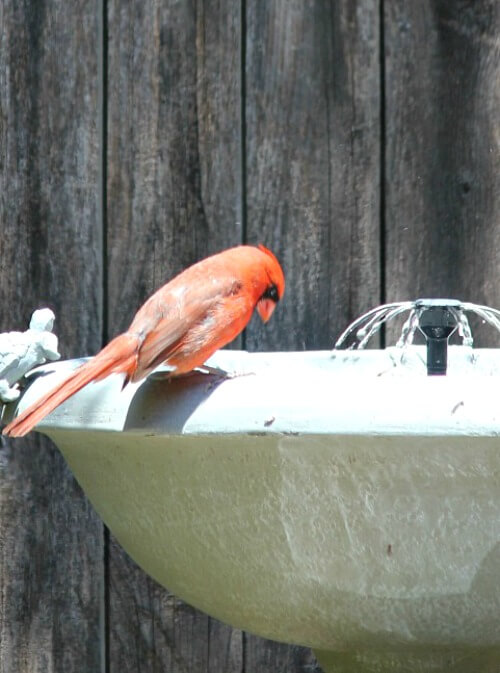
I have several bird feeders and the birds (and squirrels) are quite active at the feeders. I do need to add a bird bath and once seeing the wet cardinal in your photo, I am going to set one up this weekend. What a neat picture! The first picture is almost funny — looks like the cardinal is looking at the water, knows he needs a good bath, but is really checking it out first.
Thank you so much for the posts this week on planning and setting up gardening space. I have enjoyed reading your suggestions and looking at the photos.
this has been a wonderful series Brenda! thank you.
actually I enjoy all your posts. well… some of the books aren’t my cuppa tea!
but I even enjoy your reviews! and little Abi and Charlie… I could see pictures of them every single day and feel happy!
Here is a link for a hummingbird migration map: https://www.hummingbird-guide.com/hummingbird-migration-spring-2018.html#spring-migration-map-2018
To feed the hummers, mix 1/4 cup sugar in 1 cup water. Just bring it to a boil. Cool before filling the feeder. Do NOT add red food color as this harms the hummingbirds. Be sure to clean and refill your feeders a couple times per week. They will grow mold. To attract more hummingbirds, hang multiple feeders – they are territorial. Have fun observing the action.
Birds never visit my birdhouses or at least I never catch them at it. But, we get lots of birds dropping by the garden.
Thanks for that list!
On the birdbaths, remember to change the water regularly to keep mosquitos from breeding.